
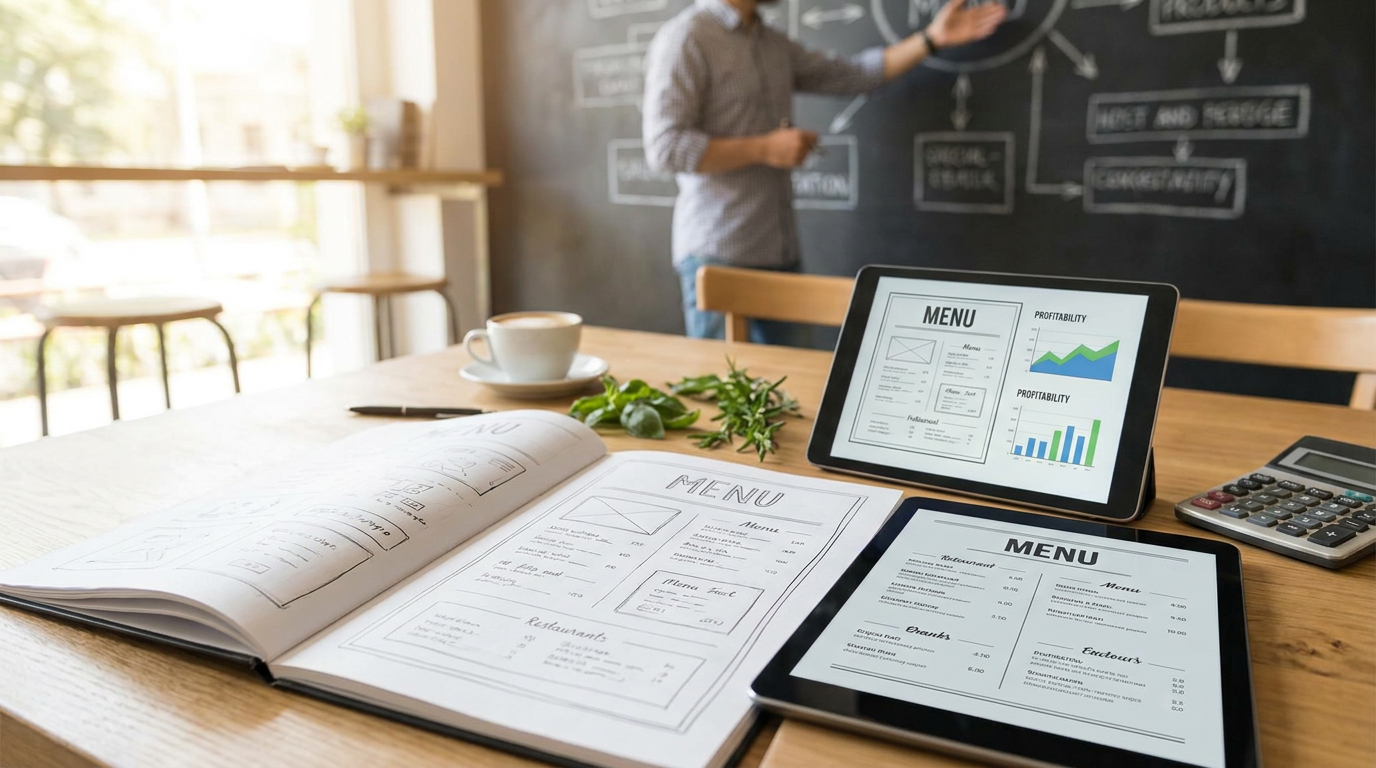
Menu Engineering 2026: Design a Menu That Sells More
How to design a menu that sells in 2026 — the 15-minute weekly discipline that lifts AOV 8-15%.
Multilingual menus, AI food photography, hospitality, and food culture — by the team building Intermenu.
How to design a menu that sells in 2026 — the 15-minute weekly discipline that lifts AOV 8-15%.
50 cited statistics every restaurant operator should know in 2026 — QR adoption, food tourism, AI use, and more.
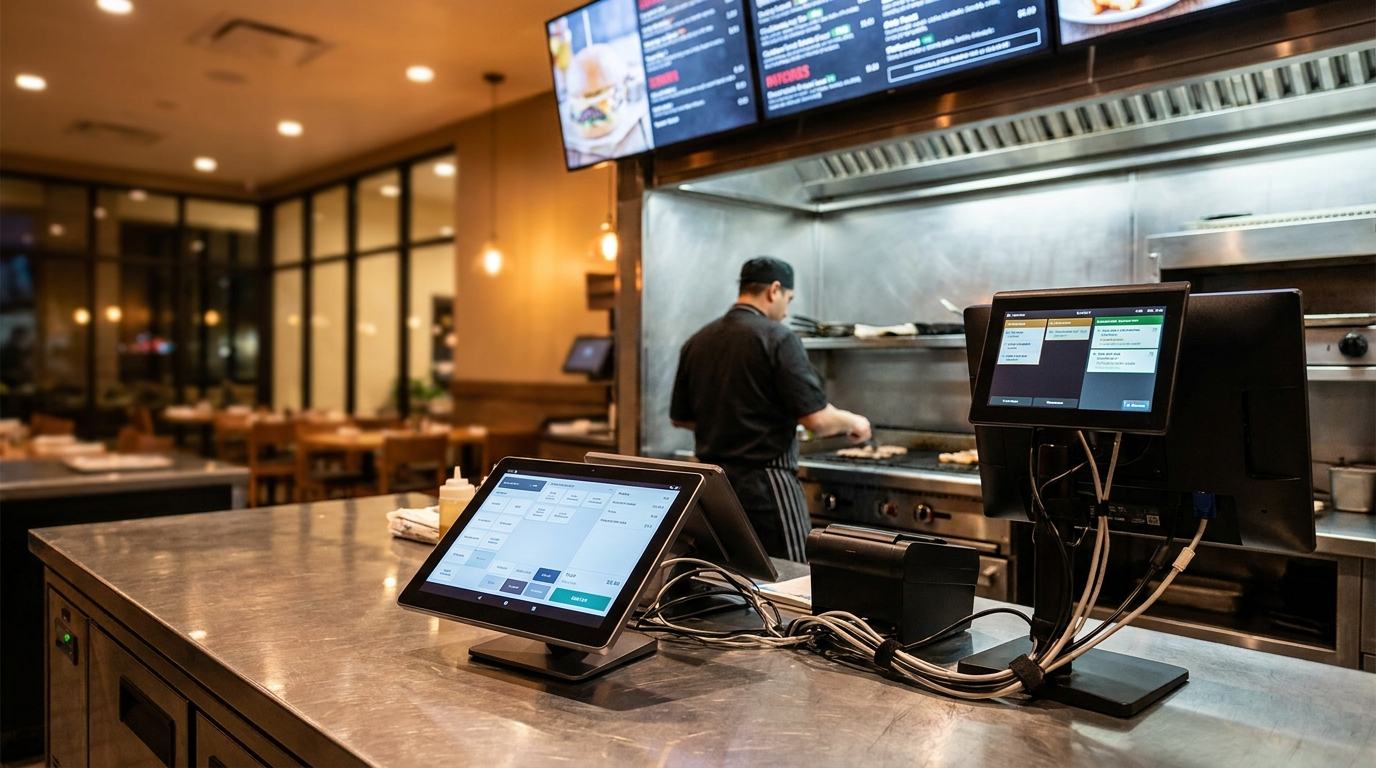
POS, KDS, OMS — the tech glossary every restaurant owner should know in 2026.
How digital menus reduce paper, carbon, and food waste — the 2026 sustainability story for restaurants.
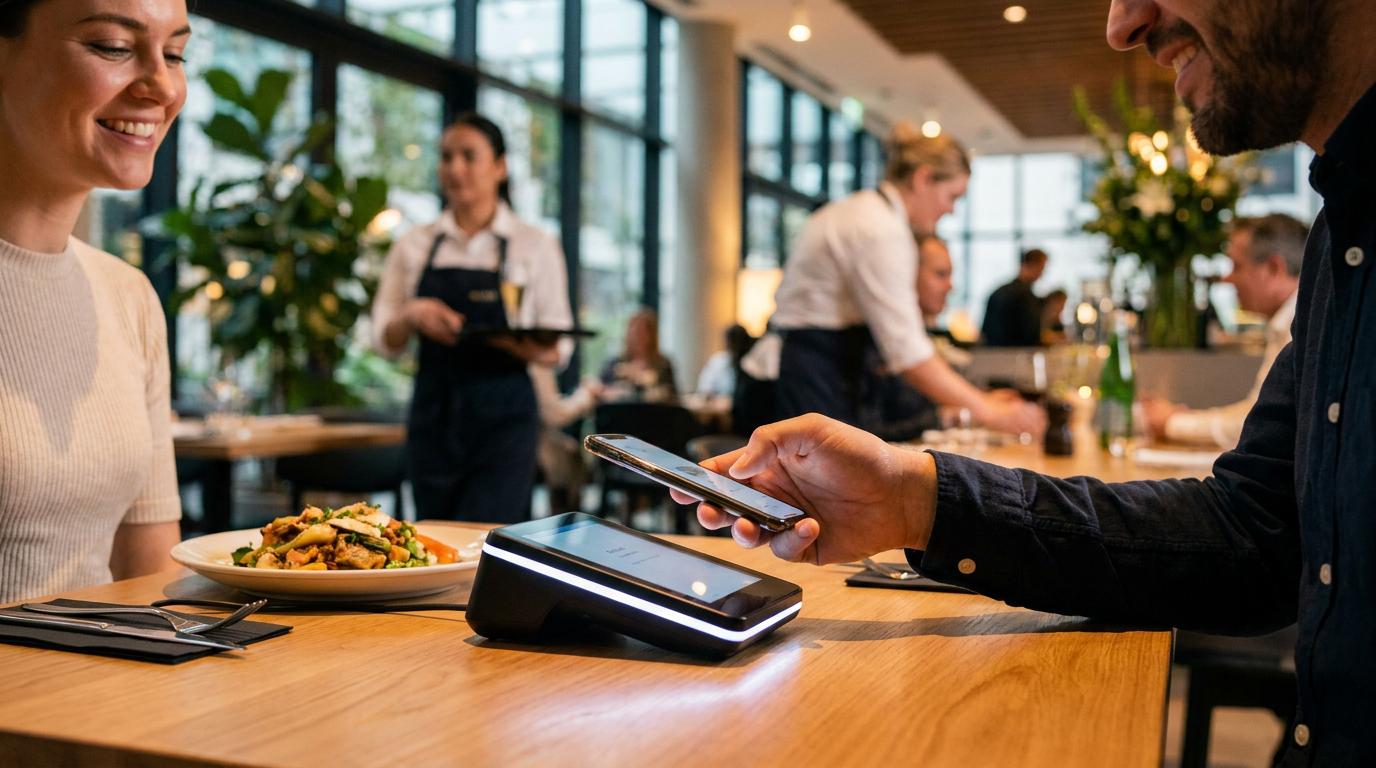
Are paper checks dead? Should you go fully cashless? How QR-pay-at-table works in 2026 restaurants.
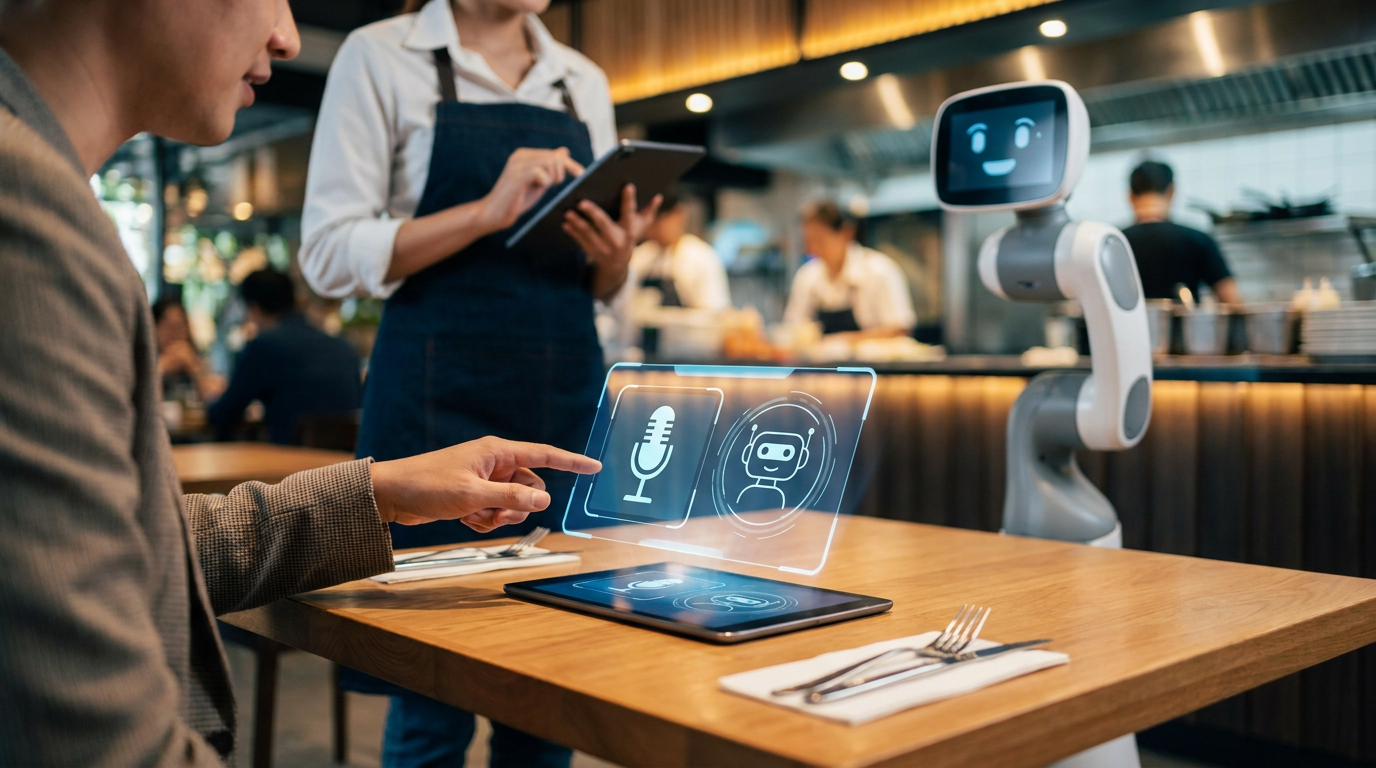
Are voice ordering and AI concierge ready for restaurants in 2026? Where AI works, where it doesn't, and what to deploy now.
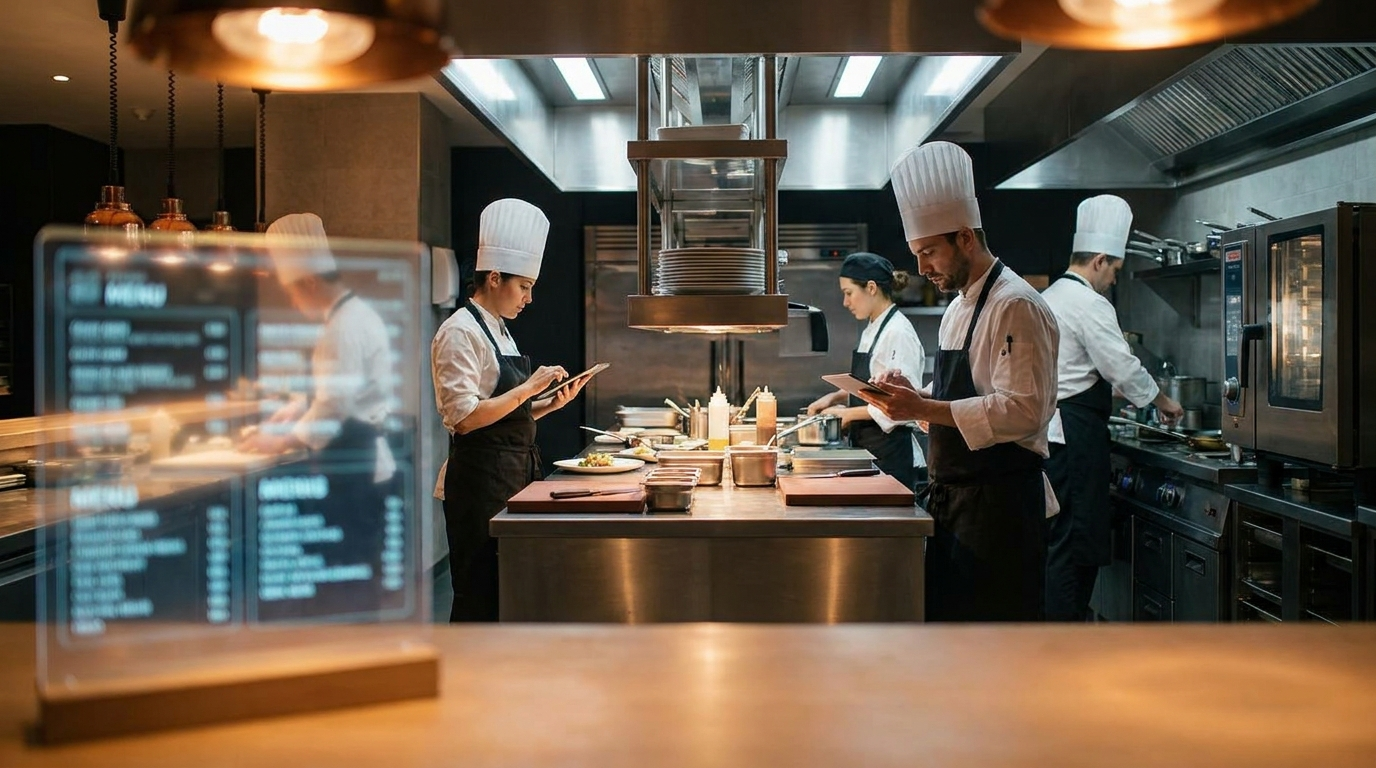
What technology does an independent restaurant actually need in 2026? Here's the working stack vs the hype.
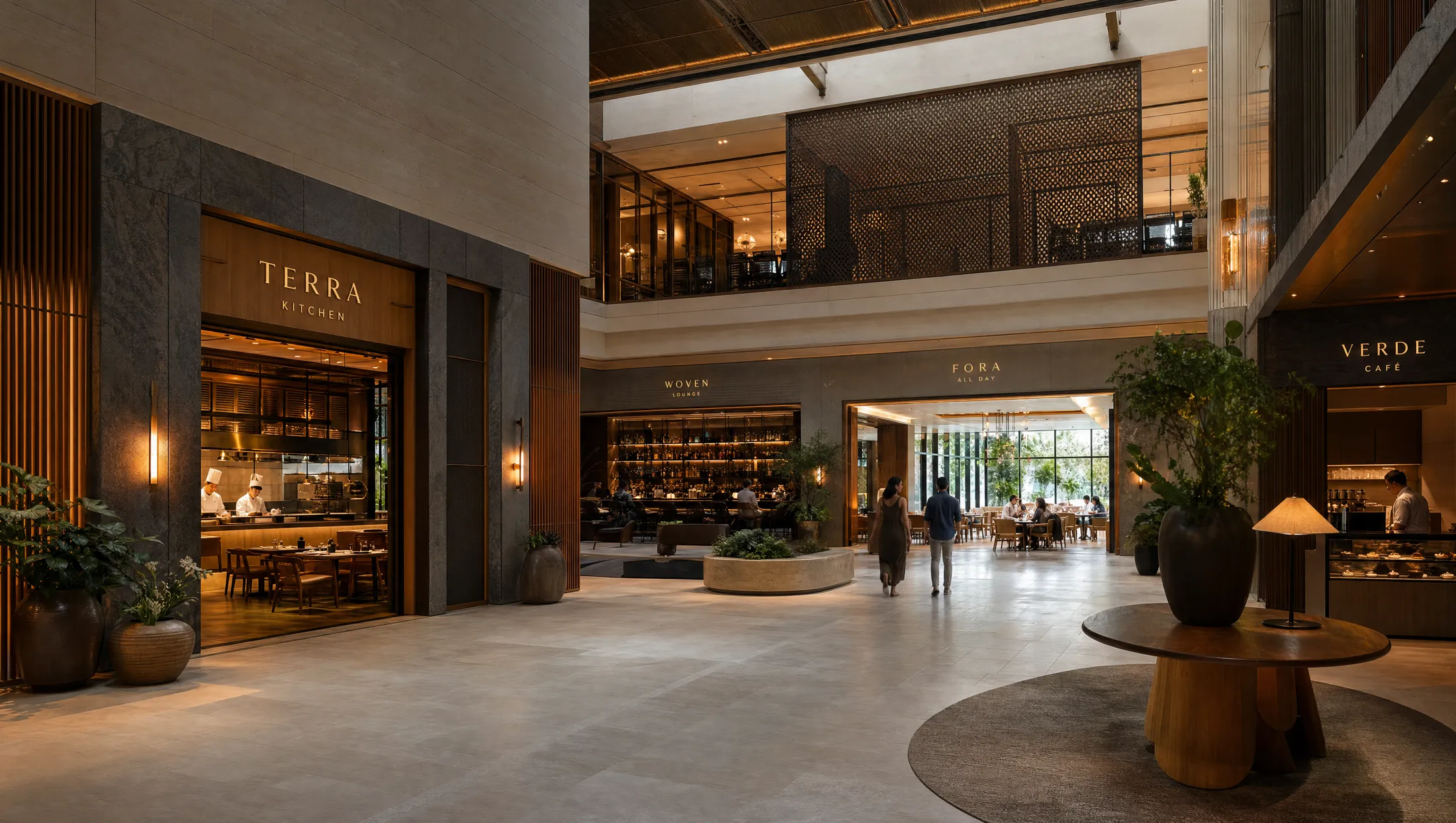
Why hotel F&B menu management is its own discipline

Food tourism — defined as travel where culinary experiences are a primary motivation — is one of the fastest-growing segments of global travel.
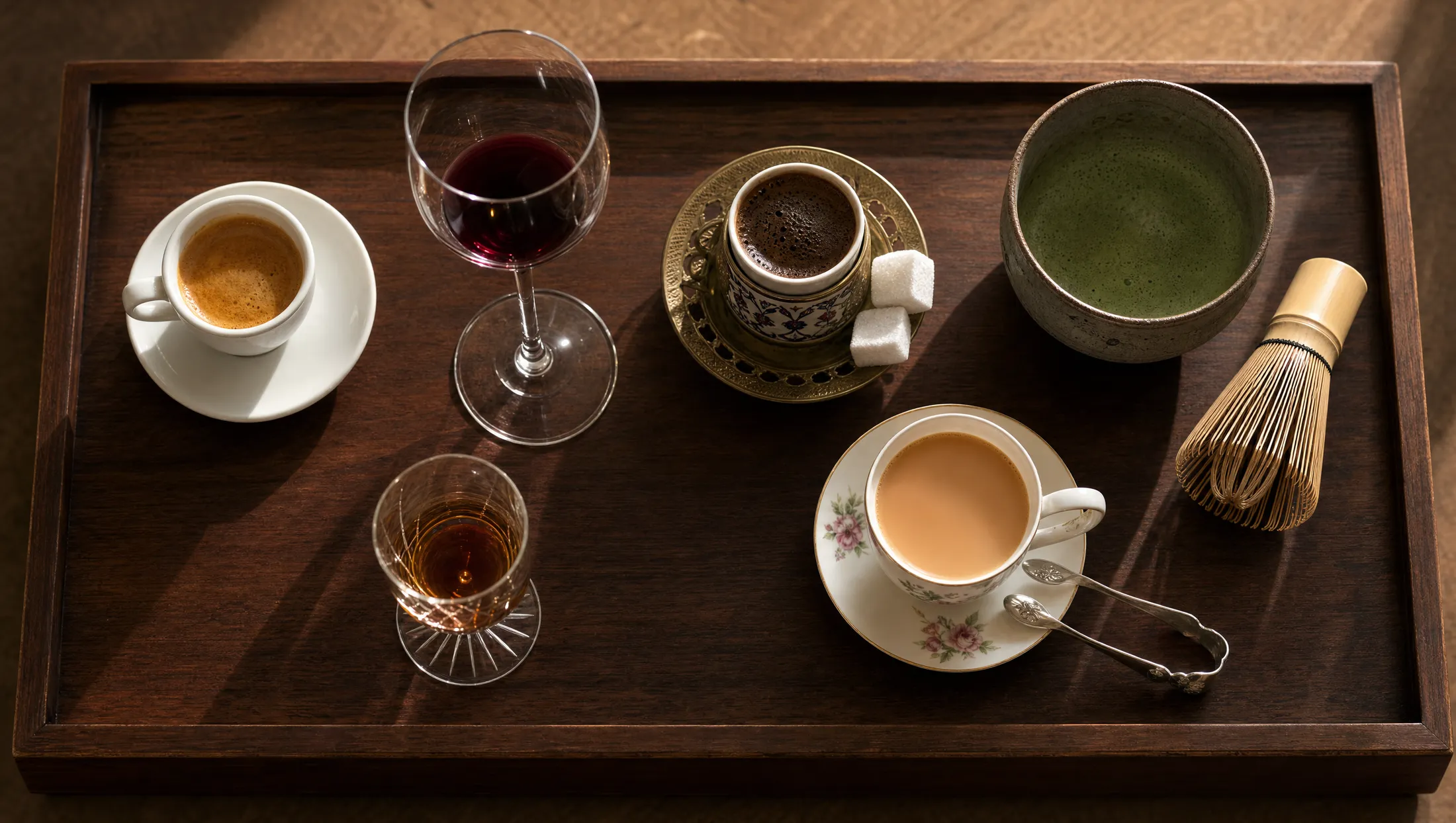
Food etiquette gets discussed often. Beverage etiquette is more specialized and easier to get wrong, partly because beverages are often the first thing a tourist orders — coffee in the morning, wine at lunch, tea in the afternoon. Get the beverage order right and the meal starts well.
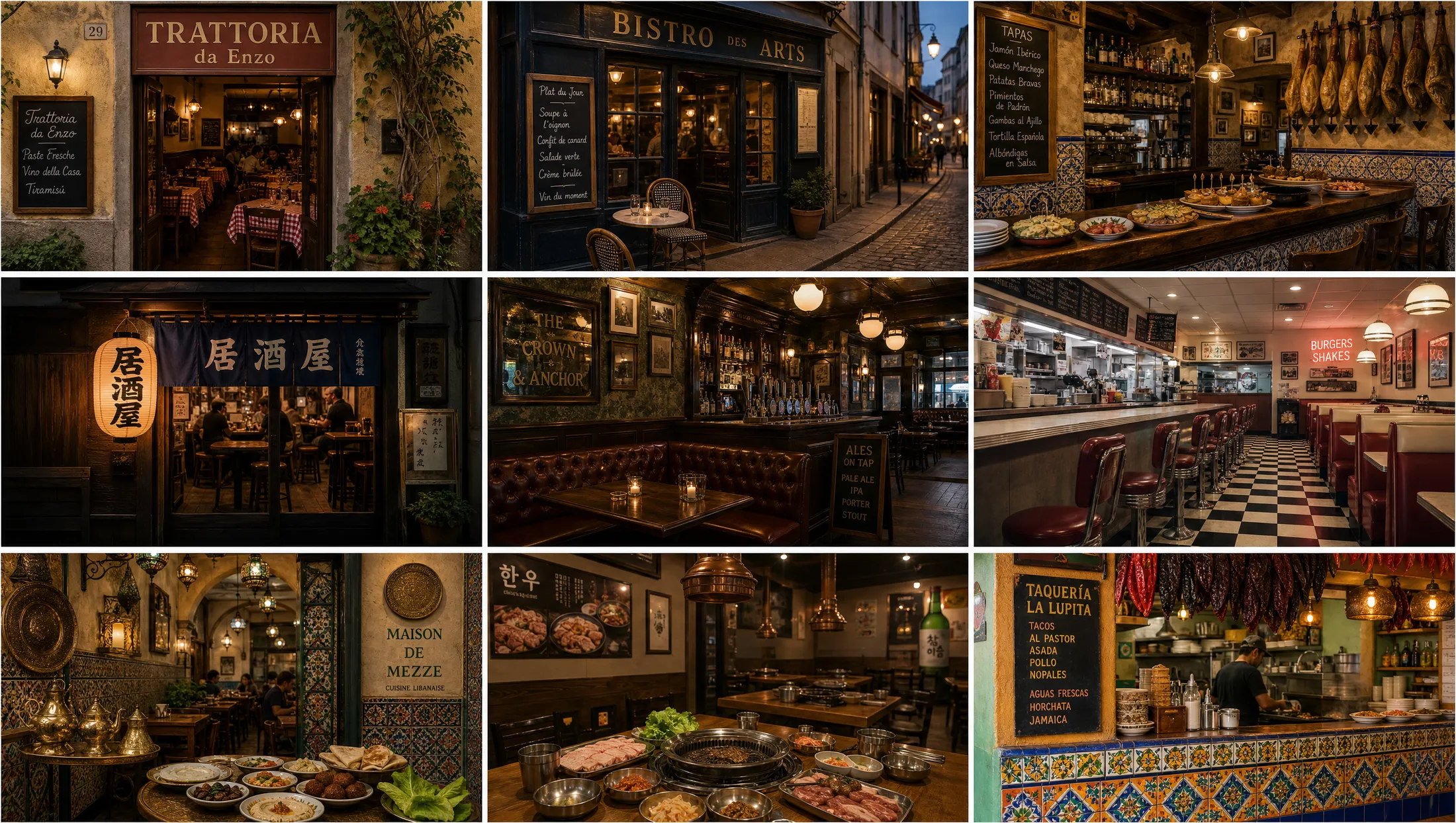
The 30 most important restaurant terms
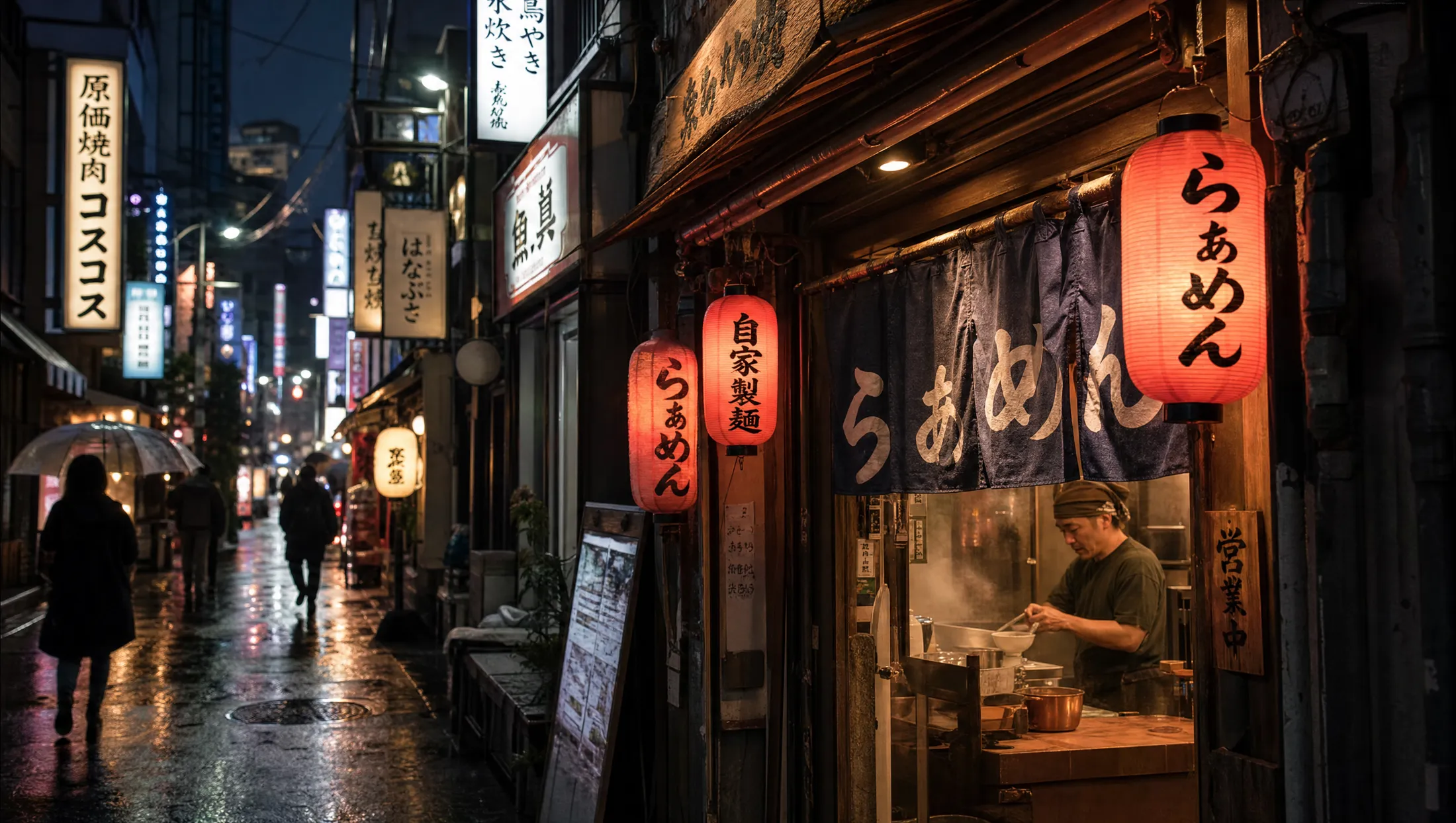
Tokyo isn't a single cuisine. It's a layered city of cuisines — washoku (traditional Japanese), regional specialties from across Japan that get represented here, French-Japanese fusion, Italian-Japanese fusion, sushi at every price tier, ramen as a serious art form, izakaya as social infrastructure, kaiseki as the most refined hospitality experience in world food.