
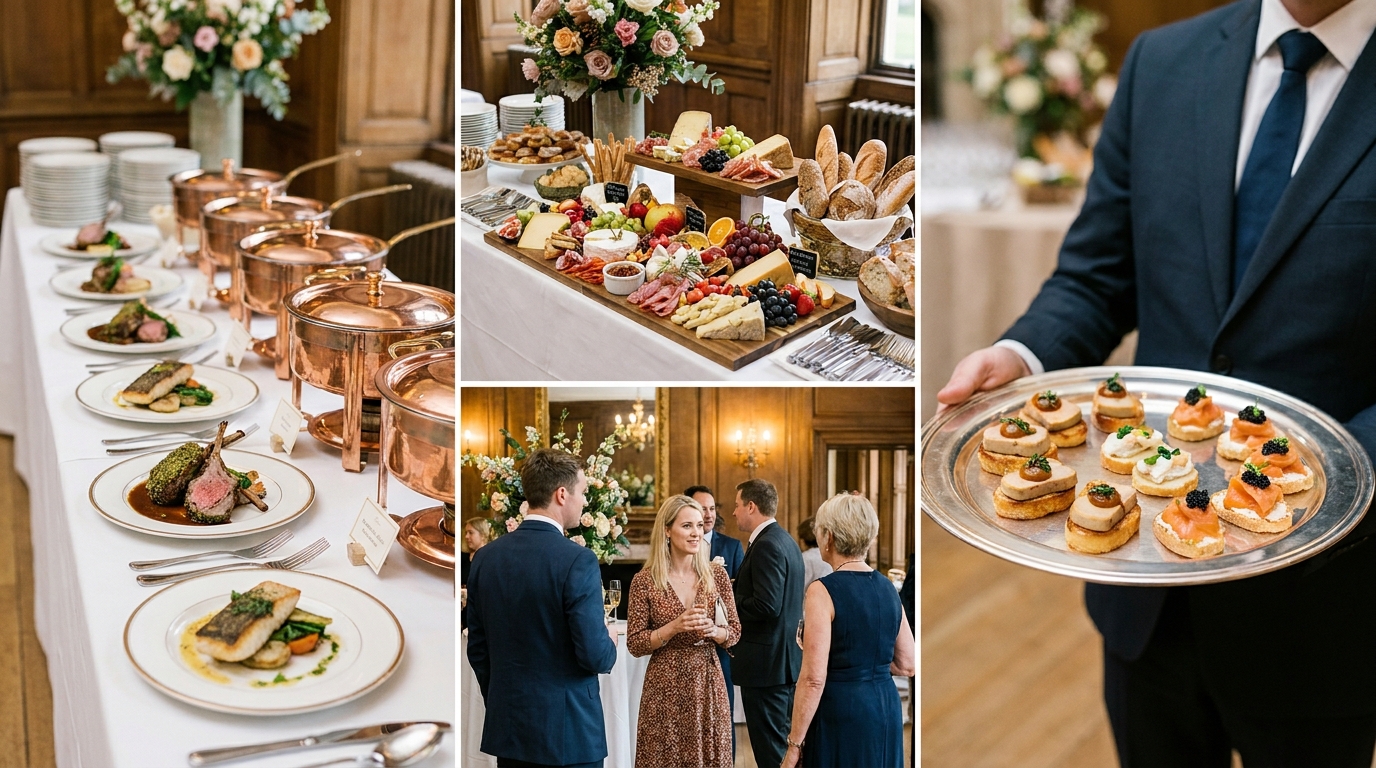
Catering Menu Ideas: Packages, Examples & Pricing by Event (2026)
Build a catering menu that books — ideas by event type, service styles, sample tiered packages and per-person pricing, plus how to handle dietary needs and share it digitally.
Multilingual menus, AI food photography, hospitality, and food culture — by the team building Intermenu.
Build a catering menu that books — ideas by event type, service styles, sample tiered packages and per-person pricing, plus how to handle dietary needs and share it digitally.
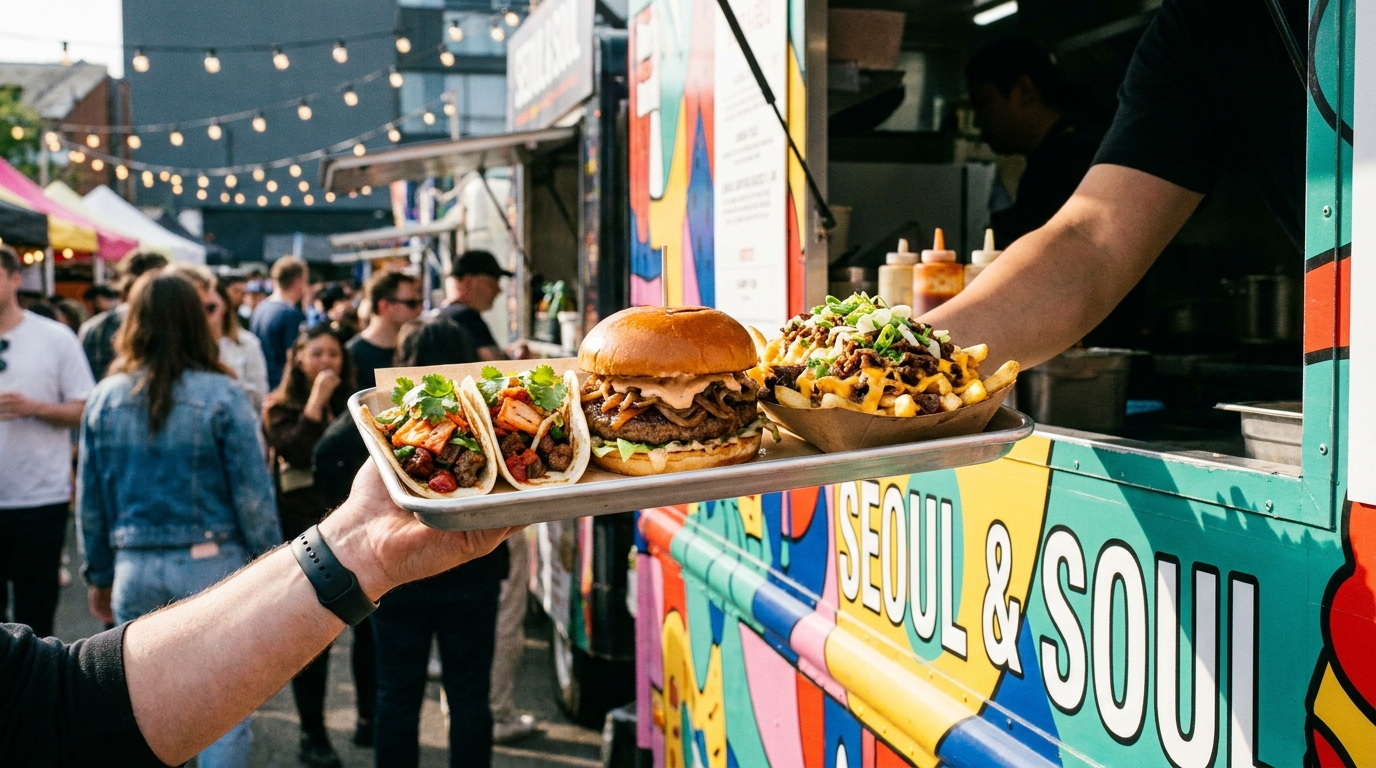
The most profitable, fastest food truck menu ideas — tacos, burgers, loaded fries and more — with a sample menu, pricing, menu-board tips and QR ordering.
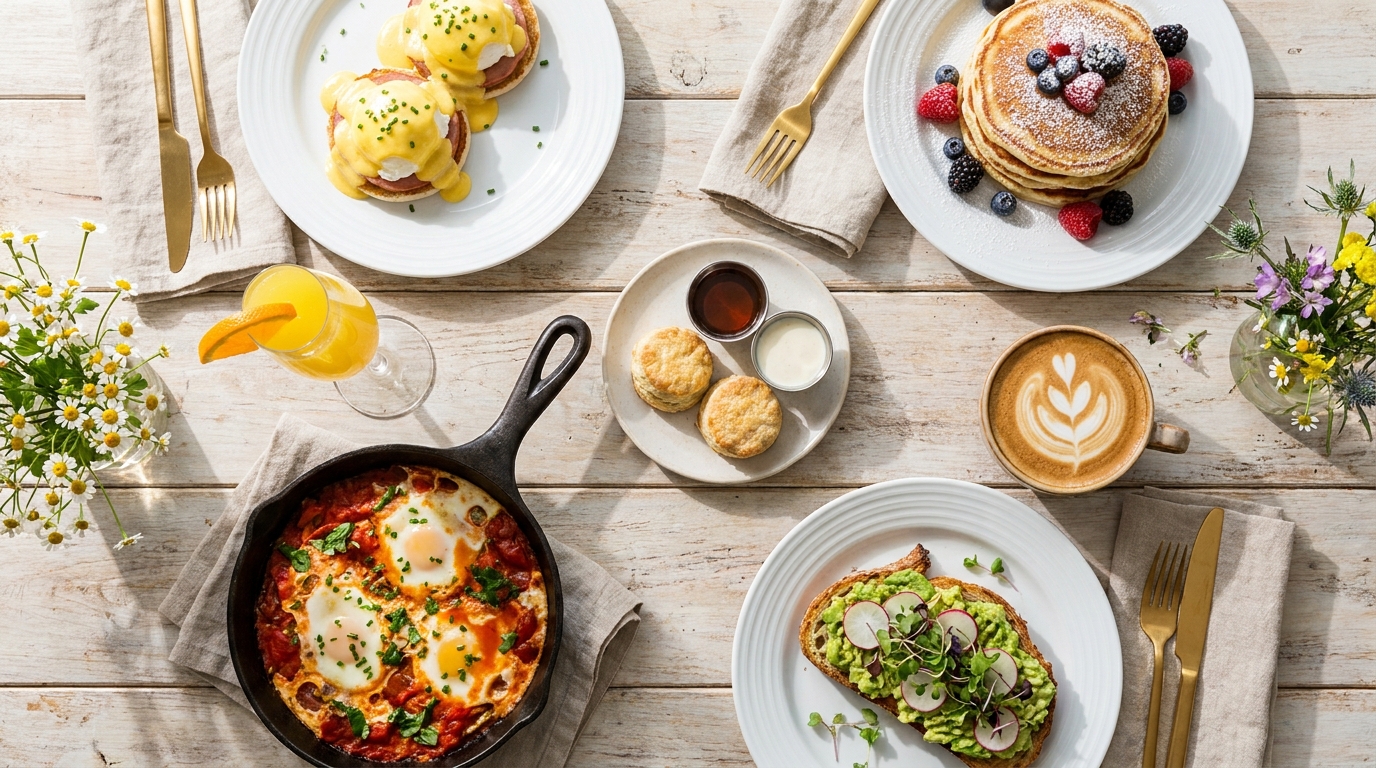
Build a brunch service that sells — sweet and savory mains, sides, drinks, and the formats (à la carte, buffet, bottomless) that fit your room, with a sample menu.
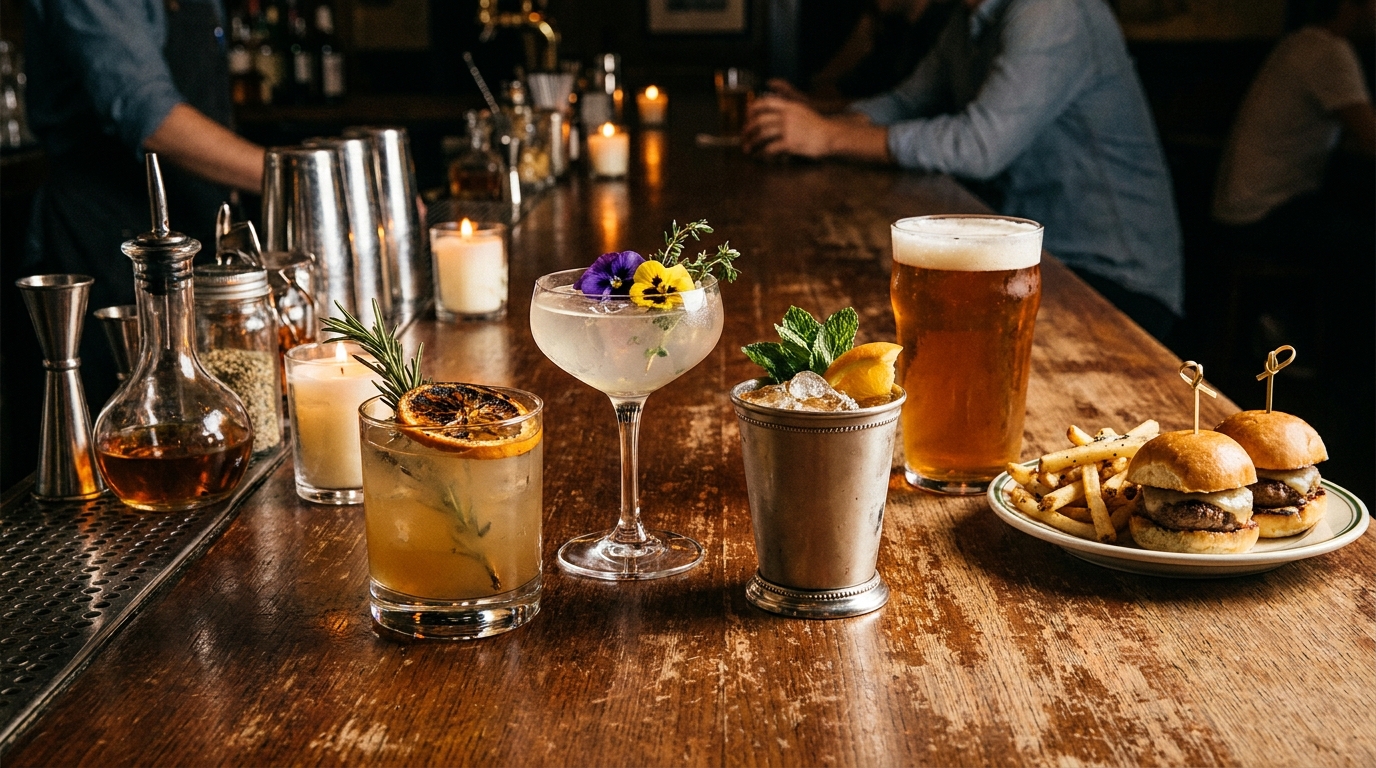
How to build a bar menu that sells — signature and classic cocktails, beer and wine, mocktails and the bar food that keeps tabs open, with a sample menu and pricing tips.
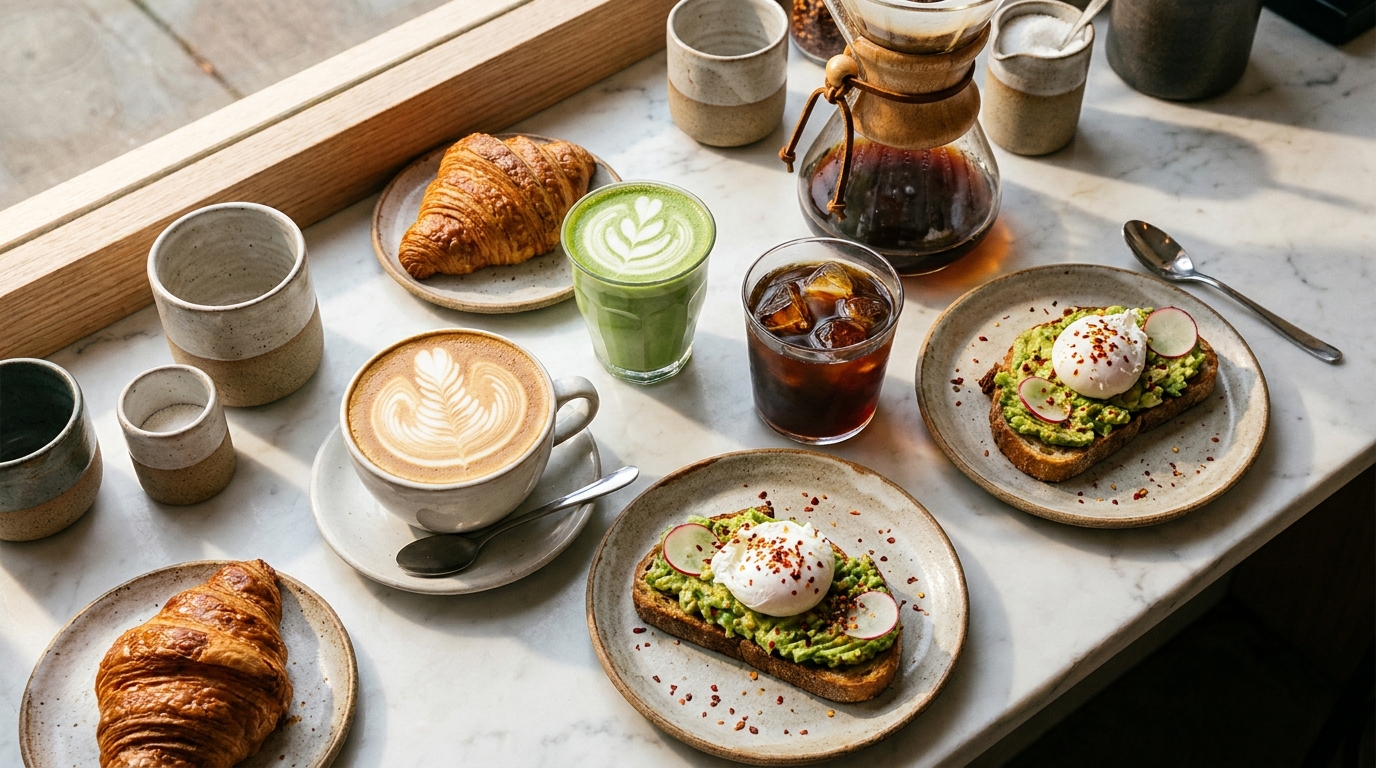
Everything to put on a café menu — espresso drinks, specialty and seasonal lattes, cold brew, food and grab-and-go — with a sample menu and the items that sell best.
One in two diners now eats around a dietary rule at least sometimes. Here's how to design, label, translate and profit from an inclusive special-diet menu.
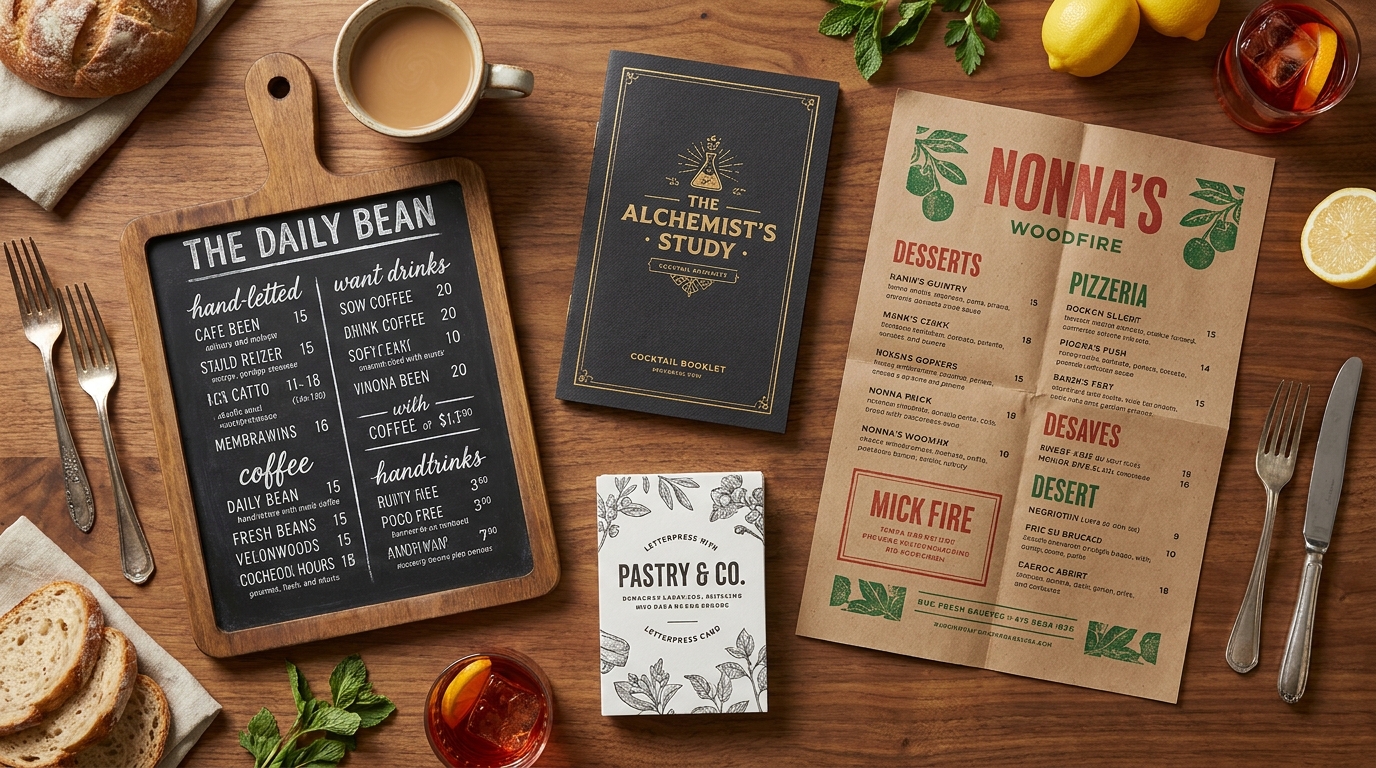
The complete hub of restaurant menu ideas: what to include, how to design and price a menu, ideas for every venue type, and how to turn it into a live digital menu.
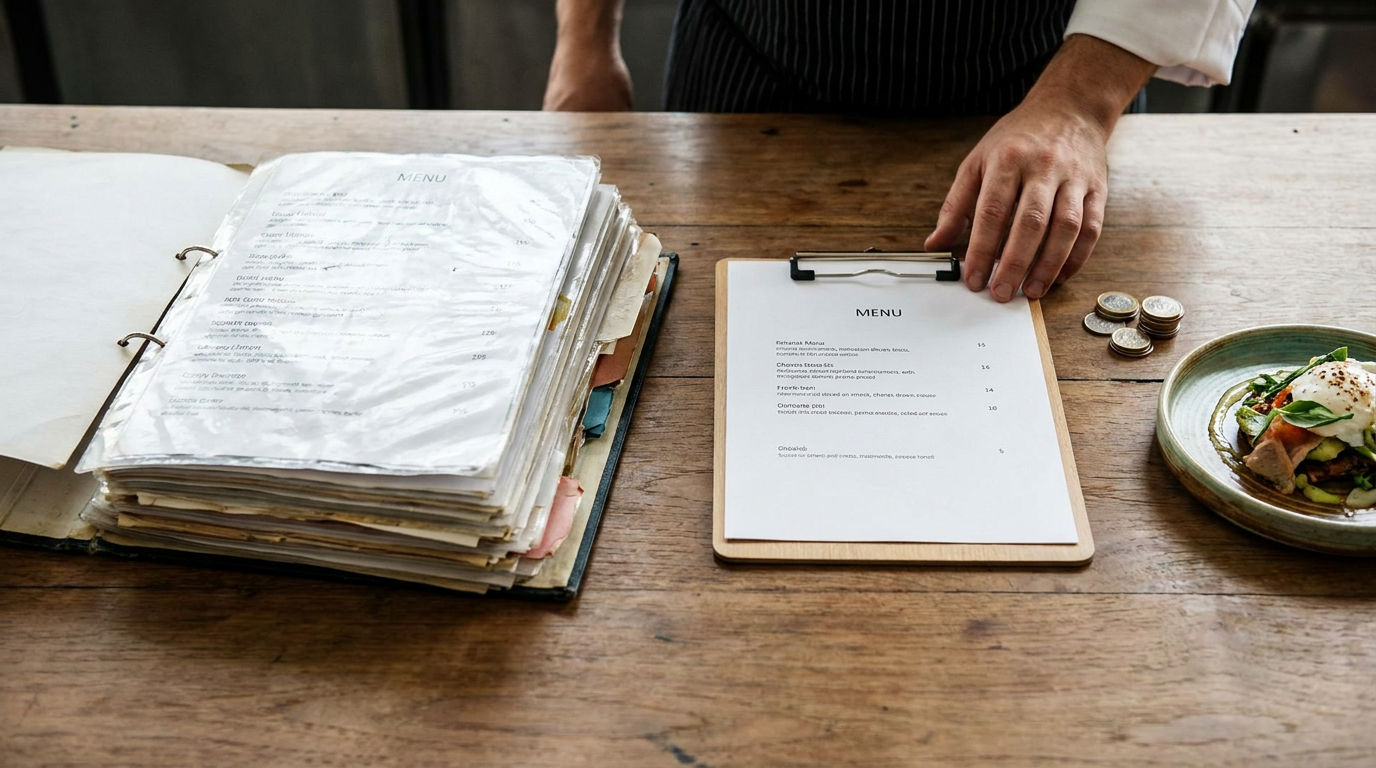
The 80/20 menu cut: how to reduce menu items, lift average check, and run a leaner kitchen. Framework, A/B protocol, and a real 60-to-30-item case study.
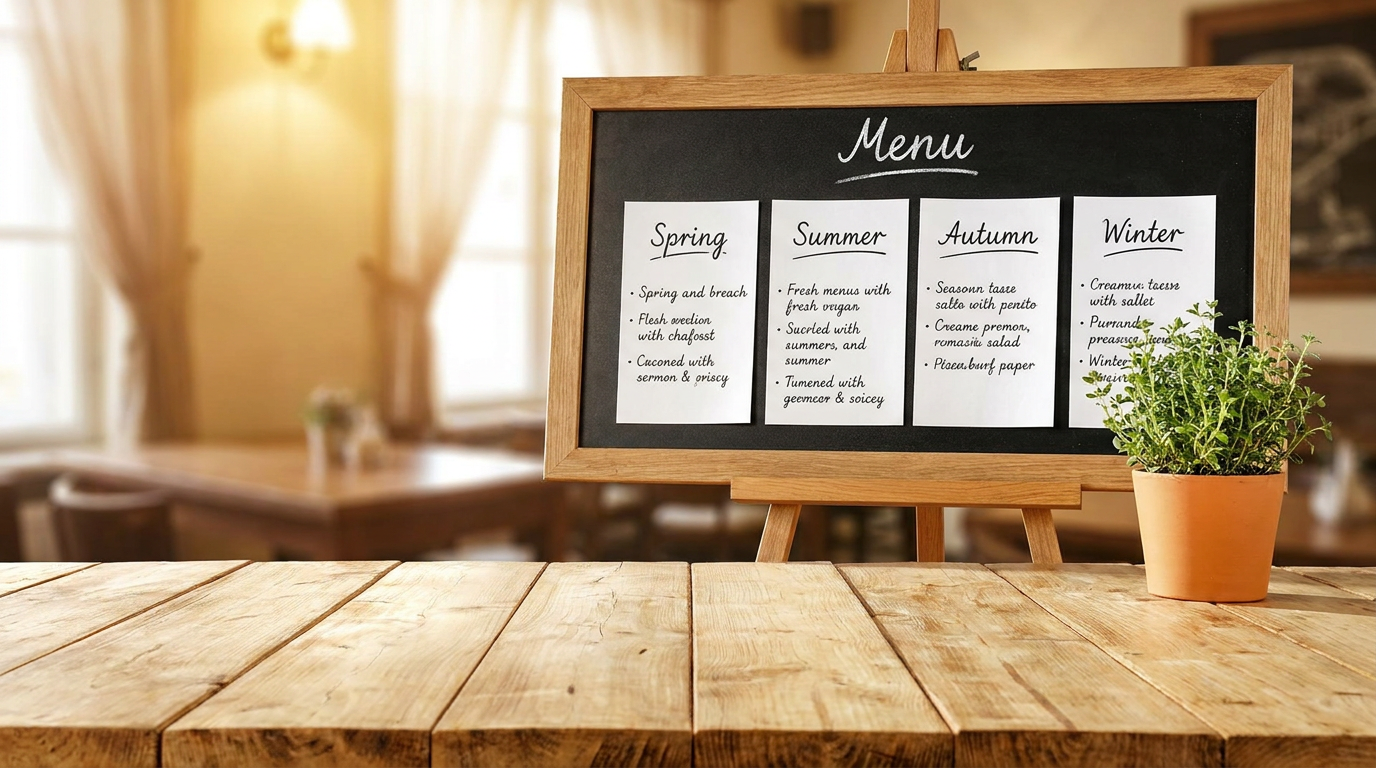
How to update a menu 4 times a year in 2026 without reprint costs.
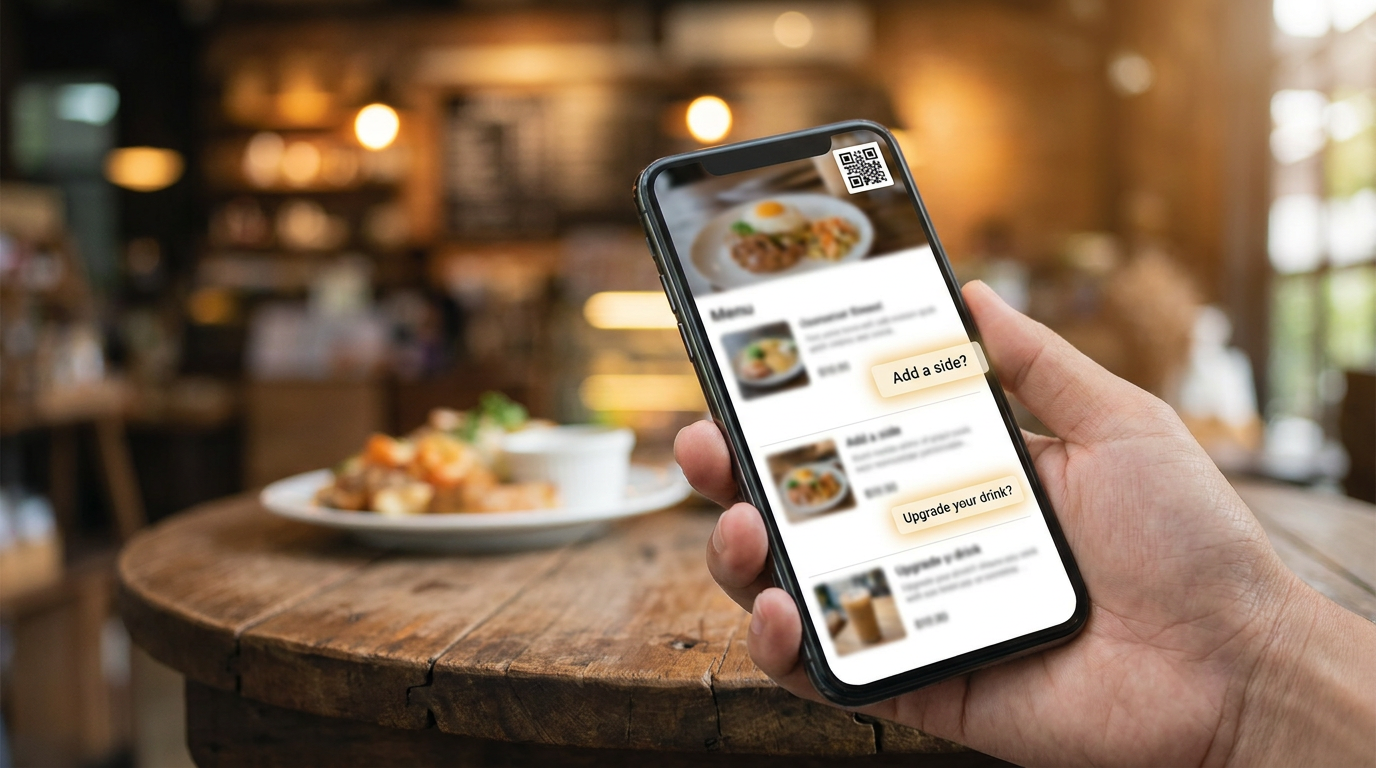
7 subtle QR menu upselling techniques that lift AOV without triggering resistance.
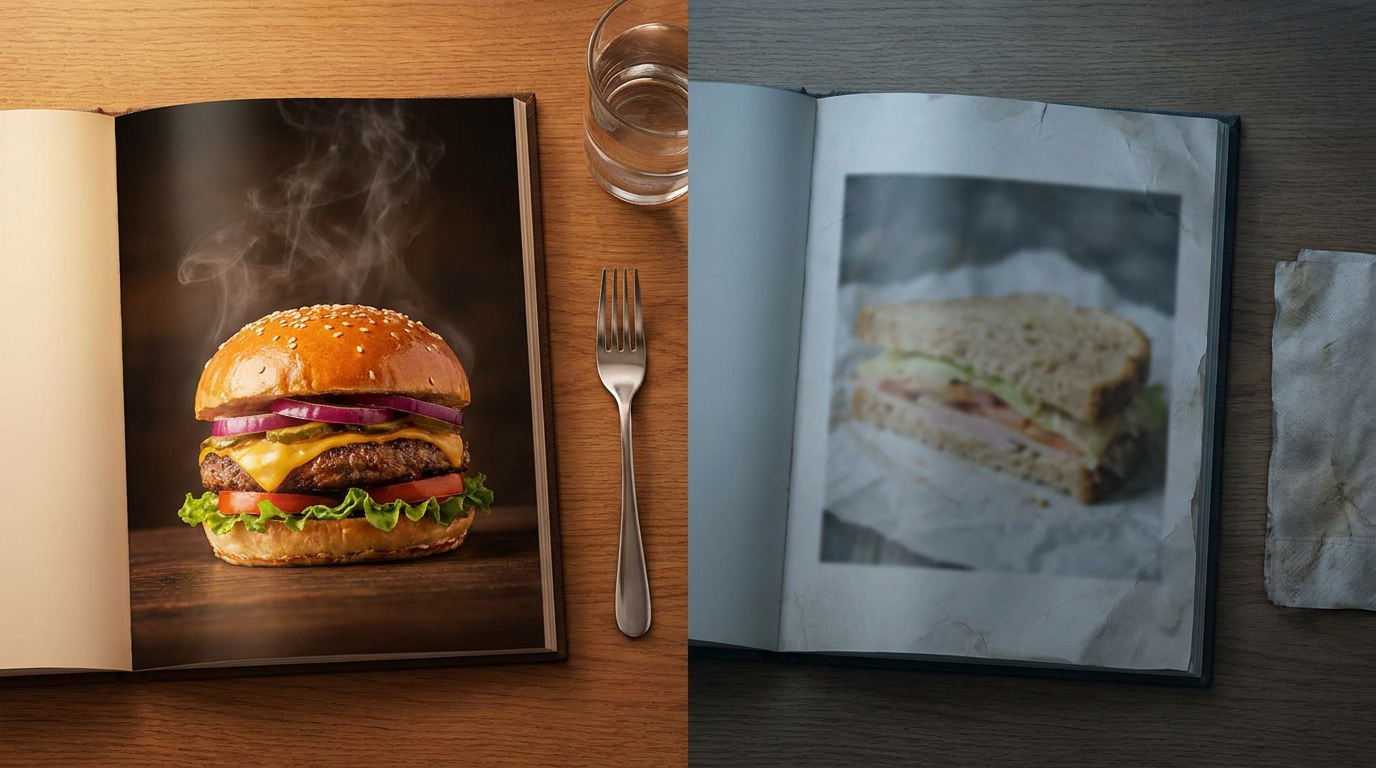
Photos lift menu orders 25-30%. AI photography ($0.50/image) removes the cost barrier. Where photos help and where they hurt.
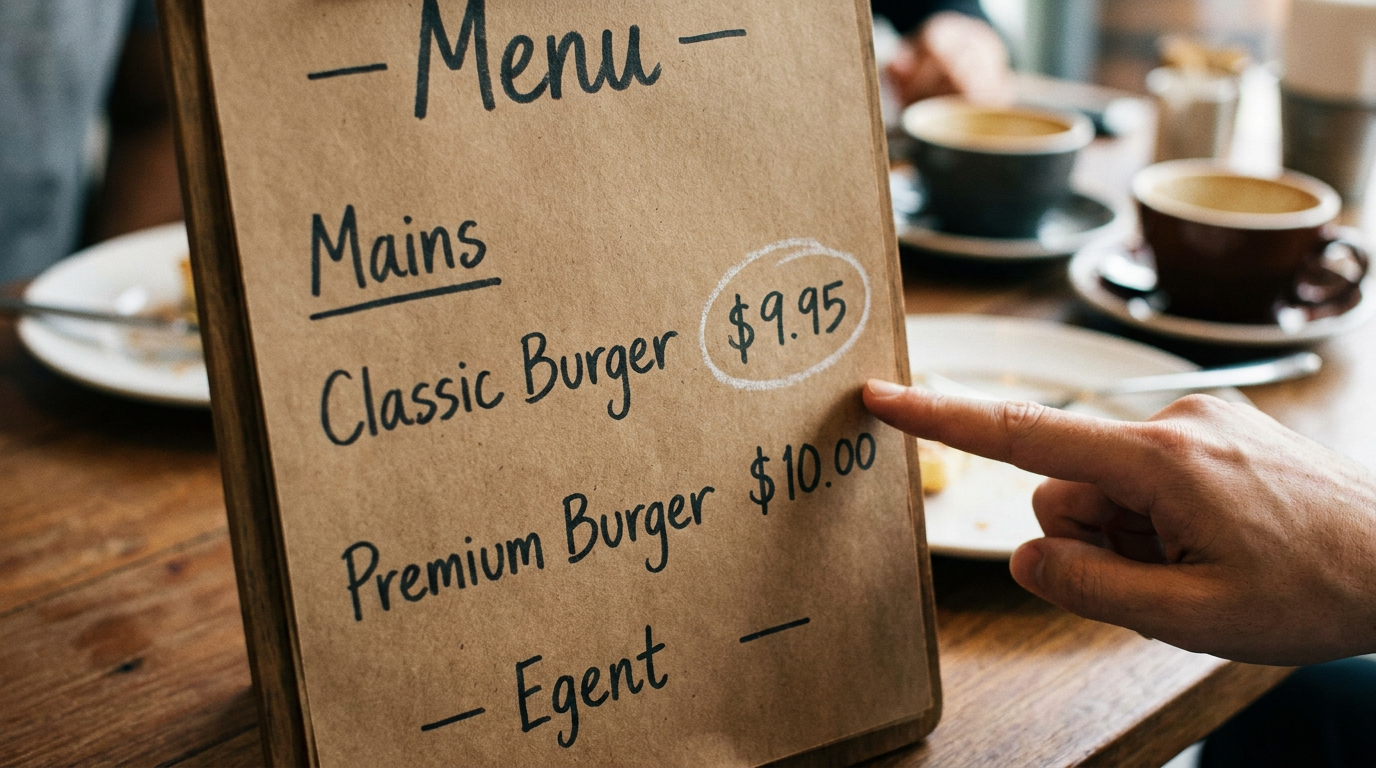
Why $9.95 outsells $10 — and when it does not. The psychology behind menu price points.