
AI Food Photography for Restaurants — The Complete Playbook
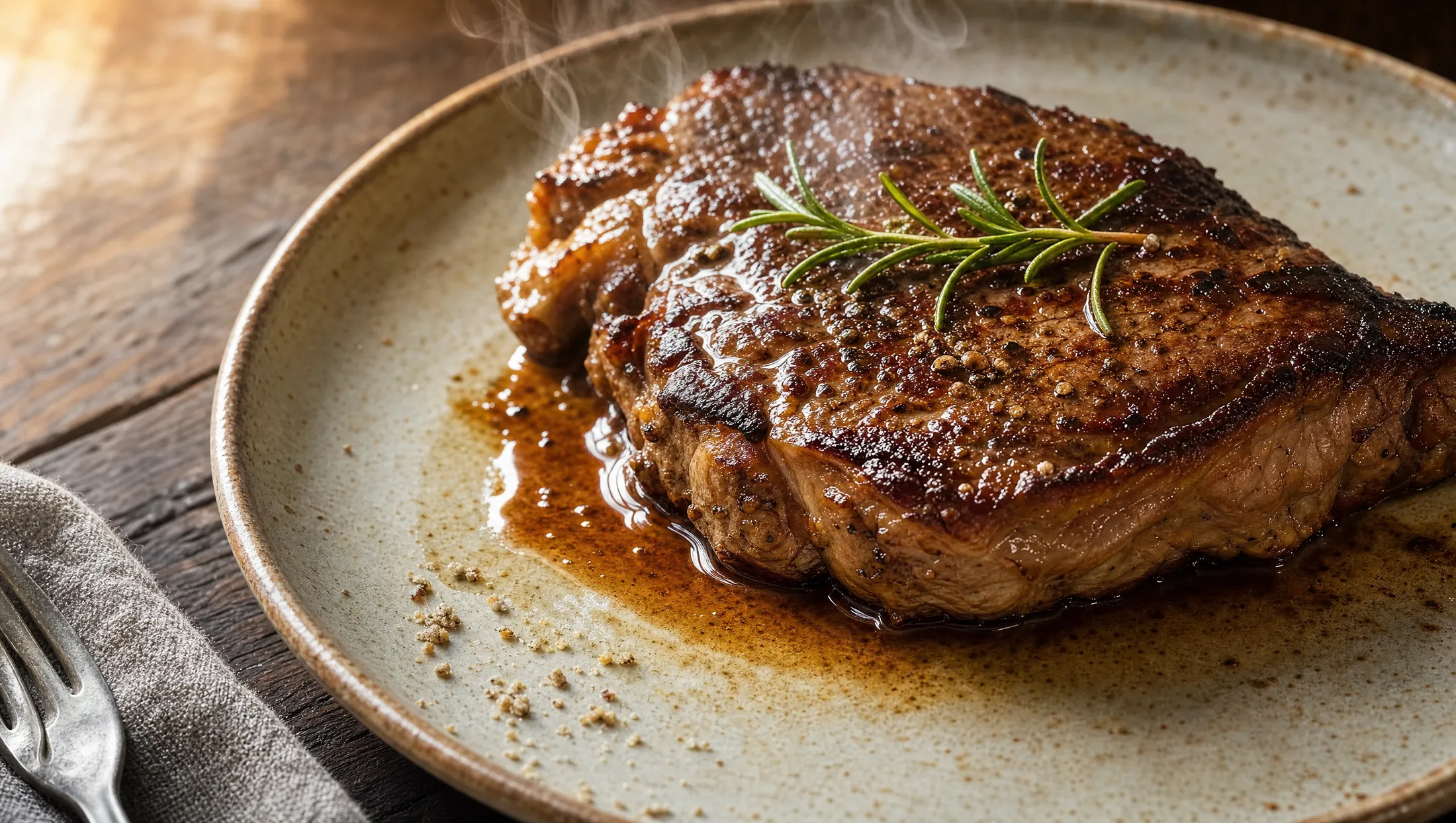
AI food photography is the use of generative AI image models to produce professional-looking photographs of dishes — for menus, ads, websites, social media and delivery platforms — without a camera, a studio, a food stylist, or a photographer.
TL;DR — Key Takeaways
AI food photography in 2026 produces studio-grade images at roughly $0.40–$0.60 per image — about 99% cheaper than the $150–$500 per dish charged by professional photographers.
Modern AI is good enough that diners cannot reliably tell AI food photos from studio photography in blind tests. The exception is fine-dining brand campaigns, where authenticity still matters.
AI food photos are legal for use on menus, social media, websites and ads — including Uber Eats, DoorDash, Meta and Google ad platforms — provided the image accurately represents the dish.
The right 2026 stack for most restaurants: AI for daily menu and social content, professional photography only for cornerstone brand campaigns once a year.
Tools like Intermenu's AI dish photos remove the prompt-engineering skill barrier — the photo is generated in the dish editor from the dish's name and description, with no prompt to write.
What is AI food photography, and why does it matter in 2026?
AI food photography is the use of generative AI image models to produce professional-looking photographs of dishes — for menus, ads, websites, social media and delivery platforms — without a camera, a studio, a food stylist, or a photographer.
The technology has crossed a quality threshold. In 2022, AI food images had a "uncanny valley" feel — the steam looked wrong, sauces sat oddly on the plate, garnishes floated suspended in mid-air. By 2024, hospitality-trained AI image models were producing food photos that passed casual inspection. By 2026, blind A/B tests of AI photos against studio photos on real menus show no statistically significant difference in conversion or guest perception, except in a narrow band of fine-dining brand work.
The economics have followed. A professional food shoot for a 40-item menu in 2026 costs $6,000–$20,000 all-in, takes 1–2 weeks of scheduling, and produces a fixed library of images that age the moment a dish changes. AI food photography produces equivalent-quality images at $0.40–$0.60 per image, in seconds, refreshable forever.
This pillar is the working playbook for using AI food photography in 2026 — what works, what doesn't, what's legal, and how to integrate it into a restaurant's actual workflow.
Is AI food photography legal for menus and ads?
Yes, with one caveat: the image must accurately represent the dish you're selling.
Legal in 2026:
Menu photos generated by AI, when the photo represents what the guest will receive (same ingredients, similar plating, accurate portion).
Social media posts using AI-generated dish images for marketing, with appropriate disclosure where required.
Website and online-ordering platform listings using AI imagery, including Uber Eats, DoorDash, Deliveroo, Grubhub and similar platforms.
Paid ads on Meta, Google, TikTok and YouTube, subject to those platforms' content policies (which AI food imagery generally satisfies as of 2026).
Not legal anywhere:
AI photos that show ingredients the dish doesn't contain (showing prawns when there are no prawns, showing fresh herbs when the dish is served plain).
AI photos that misrepresent the portion size by a meaningful margin.
AI photos that imply premium ingredients or preparations the dish doesn't actually have ("studio-styled wagyu" when the dish is regular beef).
Disclosure requirements vary by jurisdiction:
EU: under the AI Act and consumer-protection rules, AI-generated content used in commercial communications increasingly requires labeling. As of 2026, the practical floor is "don't deceive" — accurate representations don't typically require explicit "AI-generated" labels, but expectations are tightening.
US: the FTC's general truth-in-advertising standard applies. AI-generated imagery is permitted as long as it's not deceptive.
UK: similar to EU/US, with ASA guidance specifically addressing AI imagery in food advertising — accuracy is the standard.
The honest summary: AI food photography is fully usable for restaurant marketing in 2026, as long as the photos truthfully represent the dishes. The accuracy bar is the same for AI photos as for professional photos — neither can show food that isn't actually served.
Does AI food photography look real in 2026?
Yes — for most cuisines and most use cases. The "looks fake" complaint that was justified in 2022 is no longer broadly accurate.
What modern AI handles excellently:
Realistic textures (crusts, sauces, cheese melt, char marks)
Steam, condensation, sizzle on hot foods
Natural-looking shadows and ambient lighting
Garnish and herb placement
Plate composition and styling
Most Western and Mediterranean cuisines (Italian, French, Spanish, American, Levantine, Turkish)
What AI still occasionally struggles with in 2026:
Specific Asian dishes with unusual plating conventions (very high-end Japanese kaiseki, certain Chinese banquet dishes)
Translucent or layered desserts where the cross-section matters
Beverages with carbonation patterns (high-end cocktails, specific beer styles)
Brand-specific signature dishes that don't match training-data conventions
For these edge cases, two solutions:
Reference image input— feed the AI a reference photo of the actual dish and it will generate variations that match.
Hybrid workflow— use professional photography for the 5–10 signature dishes, AI for the other 30–80 menu items.
The 95% case in 2026 is "AI alone is fine." The 5% edge cases are addressable with reference images or a small targeted shoot.
How much does AI food photography cost vs a professional shoot?
The cost gap in 2026 is so large that the framing has shifted from "is AI cheaper?" to "is professional photography ever justified?" Here are the actual numbers.
Professional food photography costs
Cost line Range Photographer day rate $500–$2,500 Food stylist day rate $500–$1,200 Studio rental $0–$2,500/day Props, dishware, surfaces $200–$1,000 Editing and retouching $25–$100 per image Licensing for marketing use sometimes additional Per-dish all-in $150–$500Typical 40-item menu shoot $6,000–$20,000Time to delivery1–3 weeks Update cost when menu changes Same again per dish
AI food photography costs
Cost line Range AI image generation per image $0.10–$0.60 Within a hospitality platform (bundled) included in $15–$60/month subscription Editing/refinement (when needed) $0–$2 per image Per-dish all-in ~$0.50Typical 40-item menu ~$20Time to delivery Minutes Update cost when menu changes ~$0.50 per refresh
The cost gap is roughly300–1,000x in favor of AI.
The conversion impact, in well-controlled tests, is statistically indistinguishable. AI photos lift menu conversion by the same 25–30% as professional photos.
This is why most restaurants in 2026 use AI for the bulk of their menu and reserve professional photography for either (a) a one-time annual brand-cornerstone shoot for marketing materials and PR, or (b) the 5–10 signature dishes that define the restaurant.
Can I use AI photos on Uber Eats, DoorDash, and Instagram?
Yes, on all three, with the same accuracy caveat that applies everywhere.
Uber Eats / DoorDash / Deliveroo / Grubhub: AI photos are permitted on delivery platform listings as of 2026, and many restaurants use them. The platforms' content policies require accurate representation of the dish; they do not require photos to be camera-captured. Some platforms have automated detection systems that flag photos as "potentially AI-generated" but do not reject them on that basis alone — the question is whether they accurately represent the dish.
Instagram and Meta: AI-generated content is allowed across Meta's properties in 2026, including in paid ads. Meta's "AI Info" labeling policy may apply automatically (the platform may add an "AI info" label to detected AI imagery), but this doesn't suppress reach in any meaningful way for food content.
TikTok: Similar to Meta — AI imagery permitted, automatic labeling may apply, no reach suppression.
Google Ads / YouTube: Permitted, same accuracy standard.
Apple App Store / Google Play store (for restaurant apps that include AI imagery): permitted.
The two practical considerations:
Be ready to disclose, especially if asked. Some operators add a small "Images may be AI-generated and represent the actual dish served" line in the footer of menus and websites. This is increasingly considered best practice.
Maintain image-accuracy hygiene. A restaurant that posts AI photos showing cuts of meat or quantities that the actual dish doesn't have invites complaints, refund disputes and platform takedowns. The accuracy bar is real.
How do I make AI food photos match my actual dishes?
This is the question that separates good AI food photography from generic stock-image-feel AI food photography. Three techniques in 2026.
Technique 1: Reference image input
Modern AI image platforms accept a reference image as input. You provide a casual phone photo of your actual dish; the AI generates a polished version with the same ingredients, plating, and proportions.
This is the single most important technique for brand-consistent AI photography. The AI doesn't have to imagine your dish — it has a real example to work from. The output is unmistakably your dish, in studio quality.
Intermenu's promo image studio supports this workflow — add your own reference images, such as a phone photo of the actual plate, when you describe the picture you want.
Technique 2: Detailed plain-language description
The plain-language approach (Intermenu's promo image studio works this way, under Picture of food) lets you describe the dish in your own words: "tagliatelle al ragù in a wide pasta bowl, classic Bolognese sauce with visible pieces of meat, finely grated parmesan on top, served on a rustic wooden table, warm afternoon light." The tool handles the technical prompt behind the scenes.
This works well when:
You don't have a phone photo of the dish (e.g., new menu items in development)
You want stylistic flexibility to test different presentations
You're building visual content faster than you can plate dishes
Technique 3: Brand style anchoring
Once you've generated 10–20 images you're happy with, the platform should let you save them as a "style anchor" so future generations match the same visual identity — same lighting, same color palette, same plating philosophy, same surface materials.
This is what separates a one-off image generation tool from a hospitality-grade visual system. Without style anchoring, every dish photo feels slightly different and the brand looks scattered. With it, your menu photos look like they came from the same shoot — even though they were generated months apart from different starting prompts.
Plain-language description, reference images and a consistent style anchor, used together, produces a visual library that's indistinguishable from a high-end photography shoot. At <$50 total cost. In an afternoon.
What's the best AI food photography prompt structure?
For operators who want to write prompts directly rather than use a plain-language tool, the high-converting prompt structure in 2026 has six elements:
1. Subject— the specific dish, plated. Example: "Tagliatelle al ragù in a wide white ceramic pasta bowl"
2. Visible ingredients— what's actually on the plate. Example: "...visible pieces of slow-braised beef ragù, finely grated parmigiano-reggiano sprinkled on top"
3. Camera and composition— the angle and frame. Example: "...overhead 45-degree angle, shallow depth of field, close enough to see texture"
4. Lighting— natural-feeling, not staged. Example: "...warm afternoon light from upper left, soft shadows, no harsh highlights"
5. Surface and props— the supporting context. Example: "...on a rustic dark wood table, a fork resting on a linen napkin to the side, a half-glass of red wine in the back corner blurred"
6. Style anchor— the brand identity. Example: "...editorial food photography style, restrained and elegant, like a Saveur magazine spread"
A well-structured prompt produces consistently strong output. A vague prompt ("tagliatelle bolognese, looks delicious") produces inconsistent, generic-feeling output.
Tools like Intermenu let the operator skip writing this structure manually — an AI dish photo is built from the dish's own name and description, and the promo image studio takes a casual description ("classic tagliatelle bolognese, photographed nicely") in your own words.
Are AI food images allowed by Meta and Google ads policies?
Yes, in 2026, with one caveat per platform.
Meta (Facebook, Instagram, WhatsApp): AI-generated imagery is permitted in organic posts and paid ads. Meta automatically labels detected AI content with an "AI info" tag (visible to users on click), but this doesn't suppress reach for food-category content. Restaurants using AI food photos in Meta ads see comparable performance to ads with studio photos.
Google Ads / YouTube: Permitted across all formats. Google's content policies focus on accuracy and user safety, not the source of imagery.
TikTok: Permitted; AI imagery is expected and well-received in TikTok food content.
Pinterest: Permitted, with similar AI-content labeling.
Snapchat: Permitted.
X (Twitter): Permitted, no special labeling.
Threads / Bluesky / emerging platforms: Generally permitted, follow Meta's lead.
The single-platform caveat: be honest in claims that surround the image. An ad with an AI photo and the headline "Tonight's special: Wagyu A5" needs to actually be serving Wagyu A5. The image truthfulness standard applies to the ad as a whole, not just the image alone.
In practice, AI-generated food photography is now ad-platform-native in 2026. Operators using it report no friction with platform policies as long as the dish-accuracy standard is met.
Will AI replace professional food photographers?
For most restaurants, mostly yes — by 2027.
For some categories of work, no — not for the foreseeable future:
Editorial features in food magazines and cookbooks. The publication's editorial standard requires camera-captured imagery from named photographers.
Brand cornerstone campaigns for major restaurant groups, where the photography itself is part of the marketing story.
Specialty creative direction that blends food, scene, and human elements in ways AI handles less reliably.
Trade press and PR materials that require attribution to a credentialed photographer.
For the bulk of restaurant photography work in 2026 — menu photography, social media content, delivery platform listings, ad creatives, in-house signage — AI is now the production-default and professional photography is the premium upgrade for specific occasions.
The professional food photography industry isn't disappearing. It's repositioning toward the high-end editorial and brand-cornerstone segment, similar to how illustration repositioned around the rise of stock photography in the 2000s. The bulk of working volume has moved.
How do I integrate AI food photography into my actual workflow?
The 2026 reference workflow for an independent restaurant:
Step 1 — Build the structured menu. Same as any modern menu workflow — names, descriptions, ingredients, allergens.
Step 2 — For each dish, decide: phone photo + AI refinement, or AI from description.
If you have the dish prepared today: take a phone photo on a clean plate in good light, feed it as a reference image, generate 3–5 polished variations, pick the best.
If the dish is on the menu but not currently prepared: write a clear description, run it through a plain-language image tool, generate 3–5 variations, pick the best.
Step 3 — Lock the brand style. After generating 10–20 images you're happy with, save them as a style anchor so future generations stay visually consistent.
Step 4 — Push to all surfaces. Menu, website, delivery platforms, Instagram, ads. The same image library serves everywhere.
Step 5 — Refresh seasonally. When dishes change, regenerate the affected images. Cost: pennies. Time: minutes.
Step 6 — Keep one annual professional shoot for the cornerstone brand work — the 5–10 signature dishes, the chef portrait, the dining room atmosphere shots. This anchors brand authenticity and feeds PR.
This workflow takes maybe 2–4 hours total for a 40-item menu, compared to 1–2 weeks for a traditional photo shoot. The cost is in the dollars, not the thousands. And the library is fully refreshable, forever.
Intermenu bundles most of this workflow — AI dish photos generated from the dish editor with no prompt to write, and a promo image studio for pictures of food and event posters (with your own reference images and ready-made Trends & templates) — into the same tool as the multilingual menu and QR code, all drawing on your plan's monthly image allowance. It's the same workflow described above, with the platform handling the technical pieces.
What about the ethics of AI food photography?
There are three real ethical questions worth taking seriously in 2026.
1. Honesty in dish representation. This is the most important. AI photos must accurately represent what the guest will receive. Generating a glamorous AI image of a dish that arrives looking different is the same problem as a misleading studio photograph — and the same fix applies: only show what you actually serve.
2. Disclosure to guests. Reasonable people disagree about whether menu and ad imagery should be explicitly labeled "AI-generated." The trend is toward at least optional disclosure. A small footer line ("Images are AI-generated and represent the actual dish served") is increasingly considered best practice, especially in markets where trust is delicate.
3. Impact on the food photography industry. AI is shifting paid work from working photographers to platform subscription fees. For operators, this is a cost win. For the photography industry, it's a structural shift. The honest answer: support working food photographers for the work where craft matters (cornerstone brand shoots, editorial features, PR materials) and use AI for the operational menu work where the cost difference is too large to ignore.
These are tensions worth holding consciously, not problems with right answers. The norm in 2026 is "AI for volume, professionals for cornerstone work" — a middle path most operators end up on regardless of where they start.
Frequently Asked Questions
Is AI food photography legal for menus and ads? Yes, in every major market (EU, US, UK, Australia, Canada, etc.) and on every major platform (Meta, Google, TikTok, Uber Eats, DoorDash). The legal standard is accurate representation of the dish, not the image's source.
Does AI food photography look real in 2026? For most cuisines and use cases, yes — to the point where blind tests show no significant difference from studio photography. Edge cases (high-end Japanese kaiseki, complex layered desserts) still benefit from reference images or a hybrid approach.
How much does AI food photography cost vs a professional shoot? A 40-item AI photography library costs roughly $20–$50. The equivalent professional shoot costs $6,000–$20,000. AI is roughly 99% cheaper.
Can I use AI photos on Uber Eats, DoorDash, and Instagram? Yes, all three permit AI imagery, subject to dish-accuracy standards. Most restaurants in 2026 use AI for delivery platform listings.
How do I make AI food photos match my actual dishes? Use a reference image system (upload a phone photo of the actual dish, generate polished variations from it), or use a tool that takes plain-language descriptions instead of structured prompts.
What's the best AI food photography prompt structure? Six-part structure: subject, ingredients, camera, lighting, props, style anchor. Modern tools like Intermenu's AI dish photos skip this step — the photo is built from the dish's name and description, with no prompt to write.
Are AI food images allowed by Meta and Google ads policies? Yes, with automatic AI-content labeling that doesn't suppress reach. Performance is comparable to ads with studio photos.
Will AI replace professional food photographers? For volume work — menu photography, social media, delivery platforms — mostly yes. For editorial, cornerstone brand campaigns, and PR work — no, the craft and attribution still matter. The industry is repositioning toward the high-end segment.
Generate Your First AI Food Photo
The cheapest way to find out whether AI food photography works for your restaurant is to generate one. Intermenu's Free plan includes 2 AI images a month: generate a photo from a dish's name and description, usually in under a minute — no prompt-writing skills required, no commitment.
Run it on your three best-selling dishes and see what the modern visual stack looks like →
Related guides
Publishing AI images in the EU now carries a disclosure duty. See our guide to labelling AI images under the EU AI Act.