The 80/20 Menu: Cut Your Menu in Half and Increase Profit
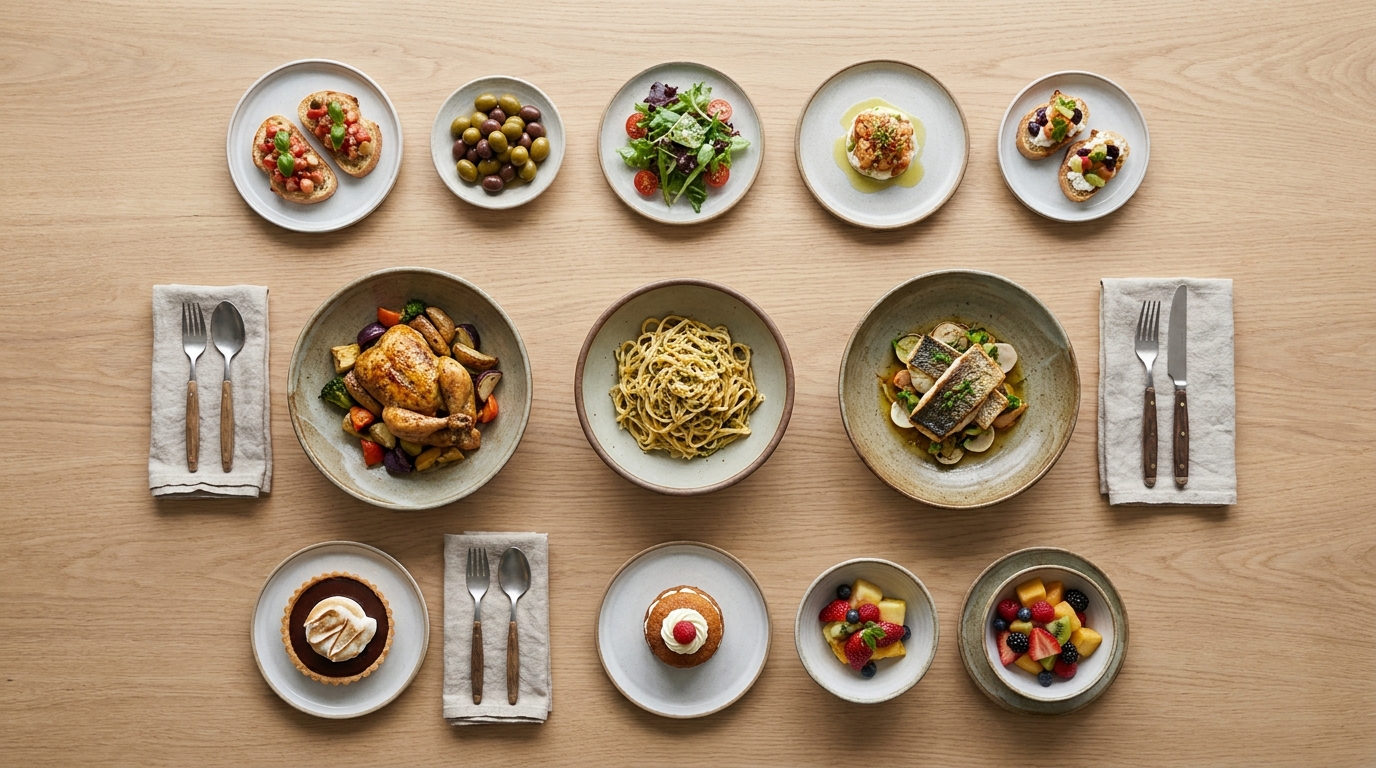
The 80/20 menu cut: how to reduce menu items, lift average check, and run a leaner kitchen. Framework, A/B protocol, and a real 60-to-30-item case study.
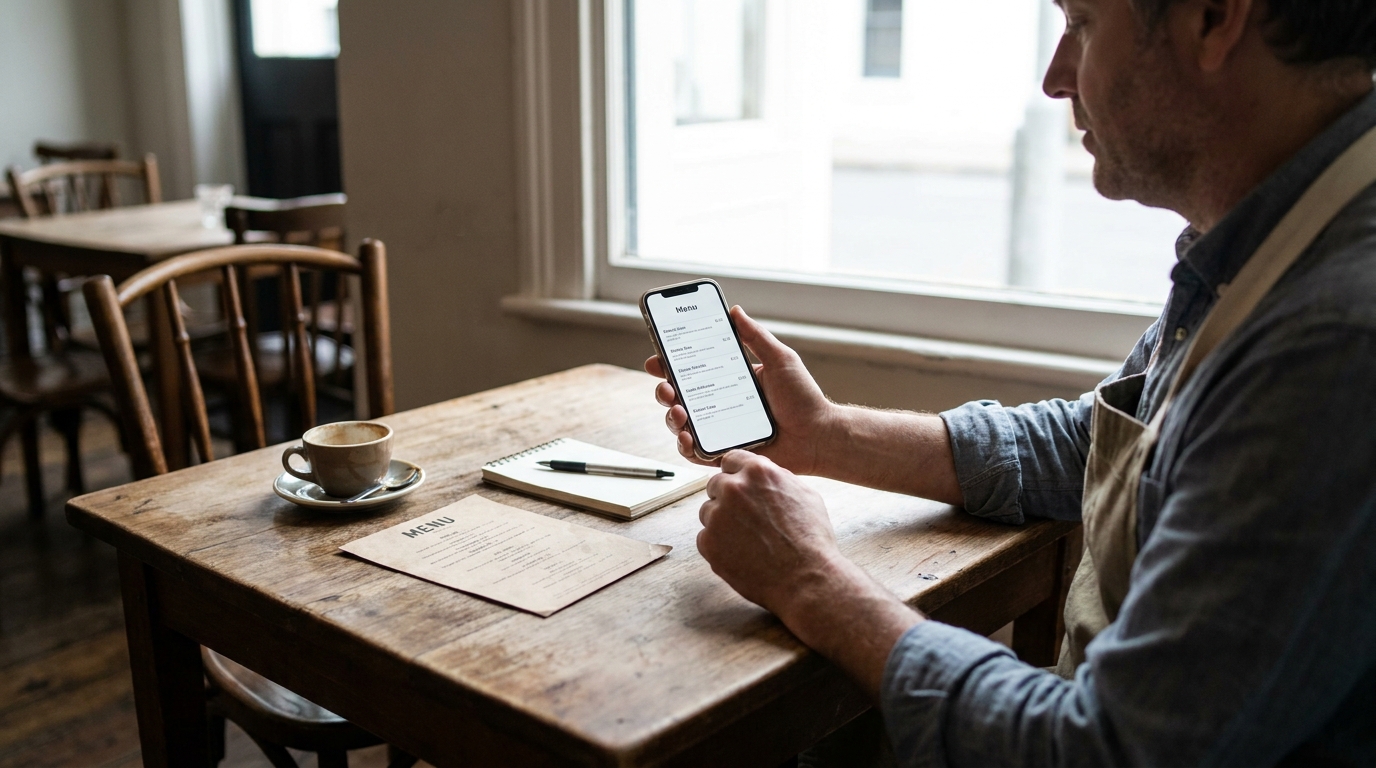
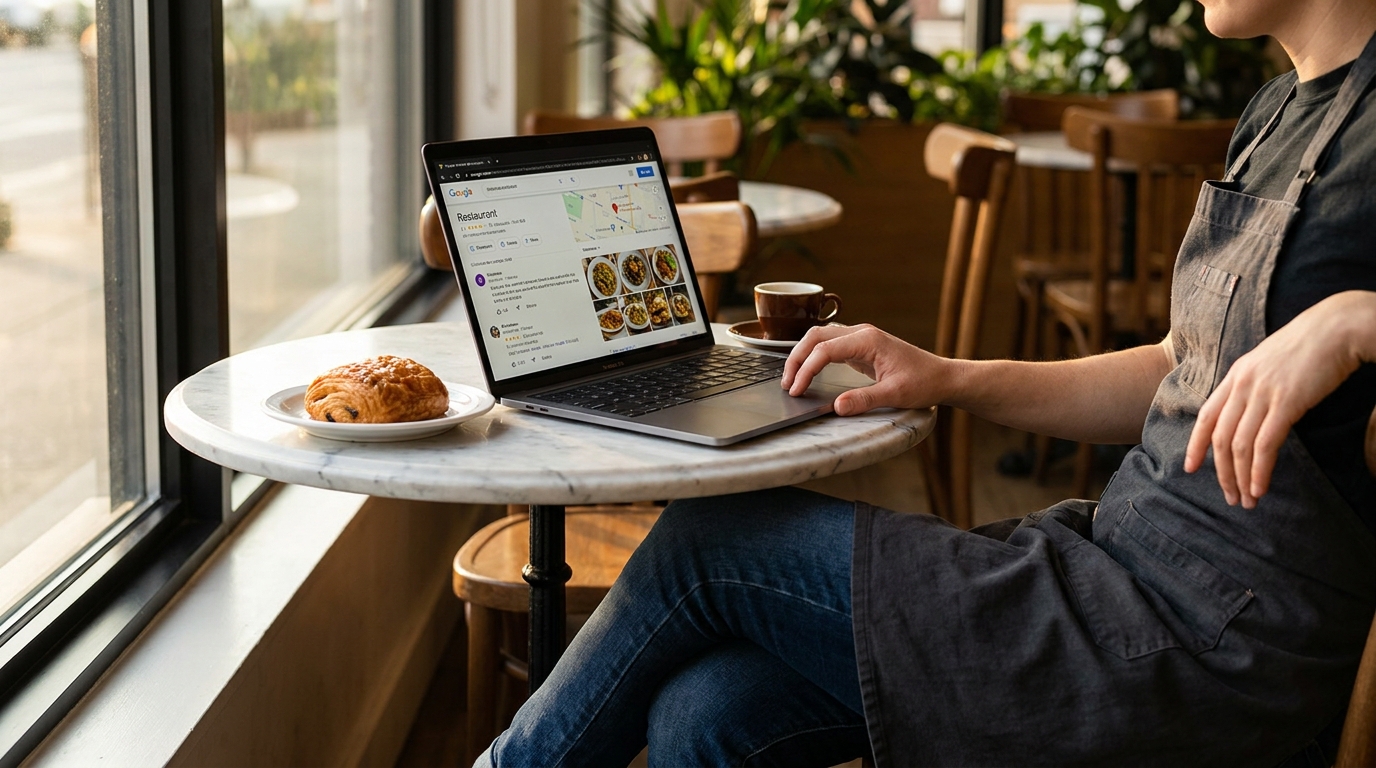
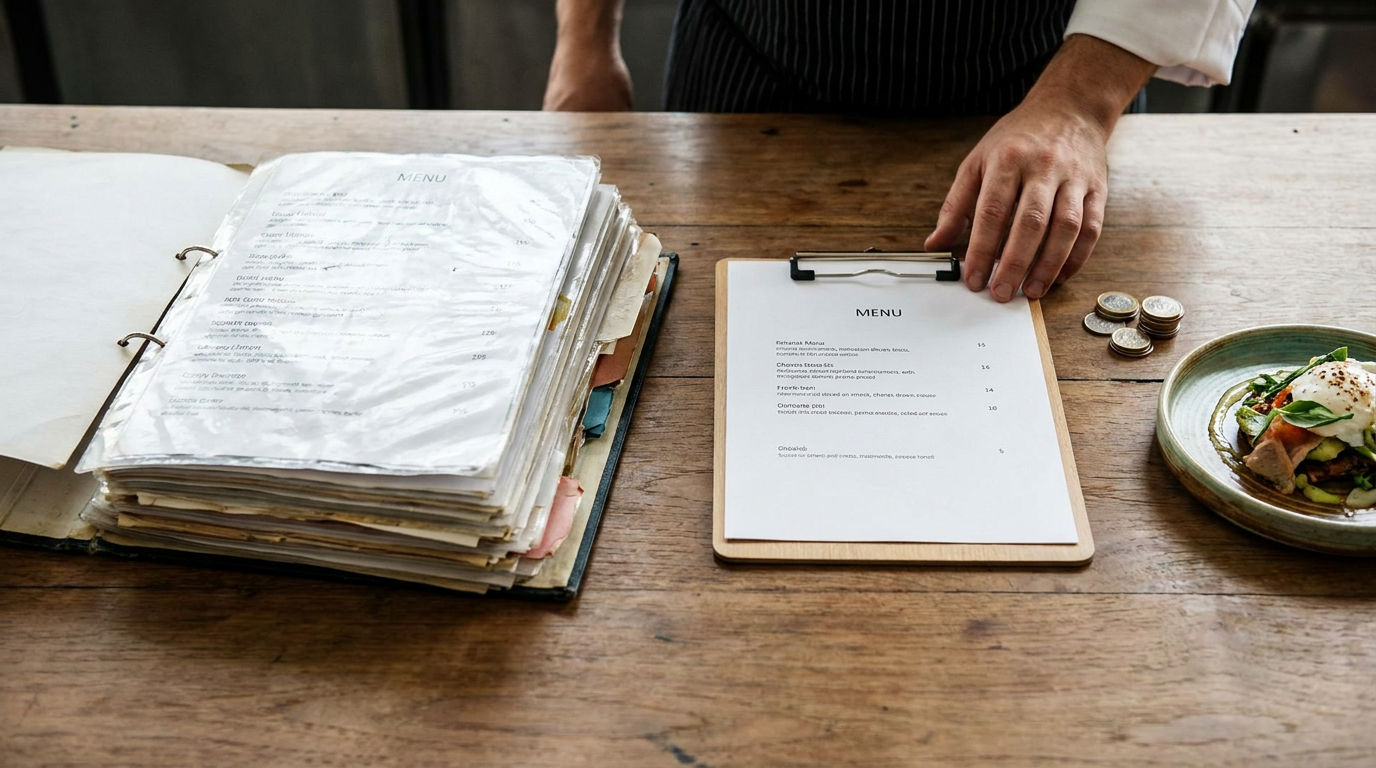
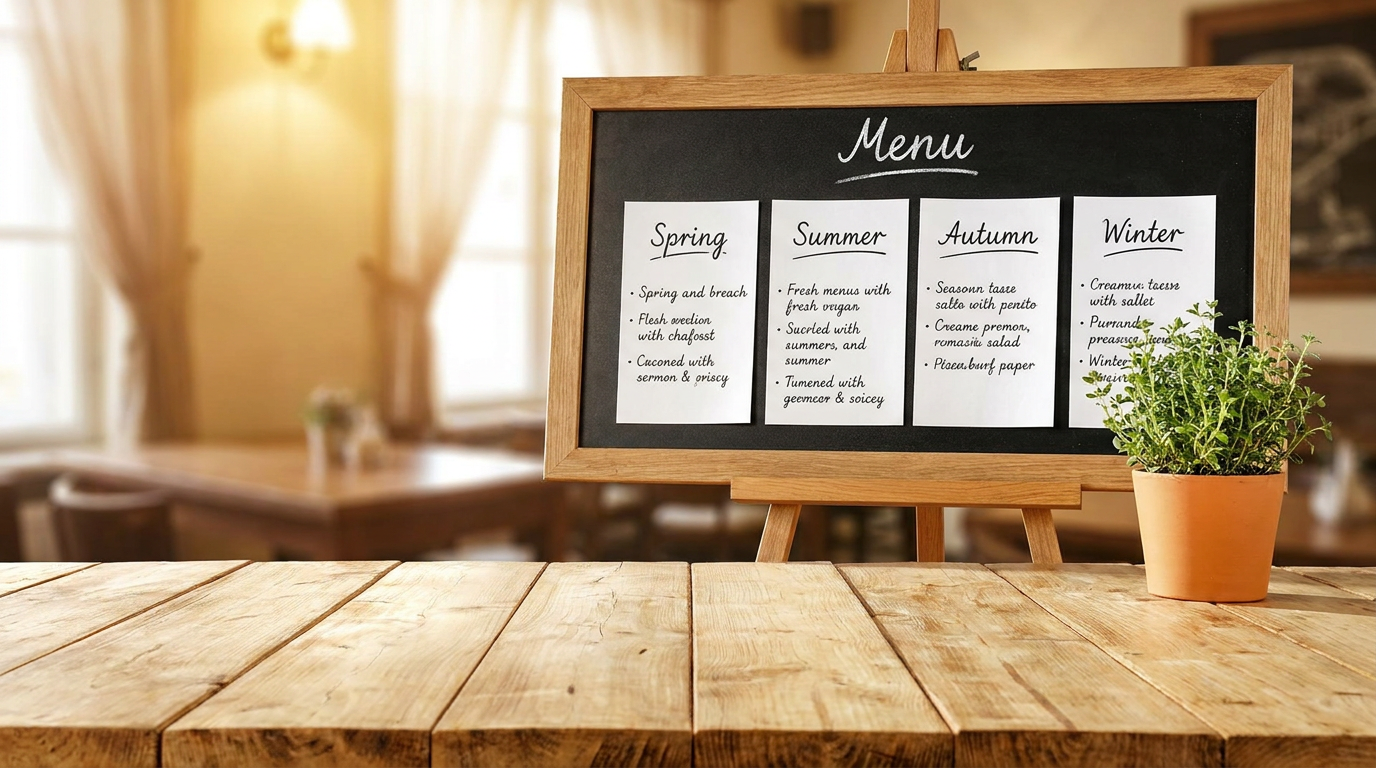
How to update a menu 4 times a year in 2026 without reprint costs.
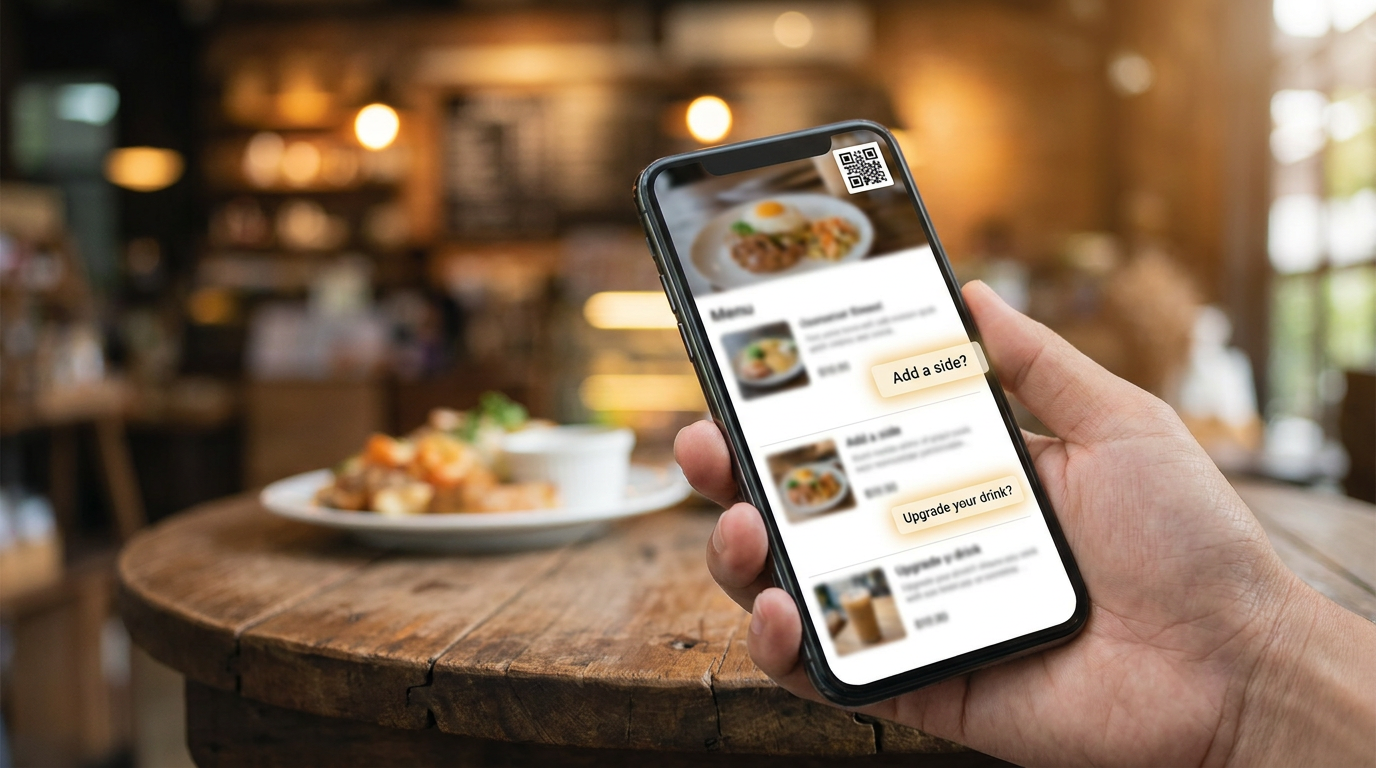
7 subtle QR menu upselling techniques that lift AOV without triggering resistance.
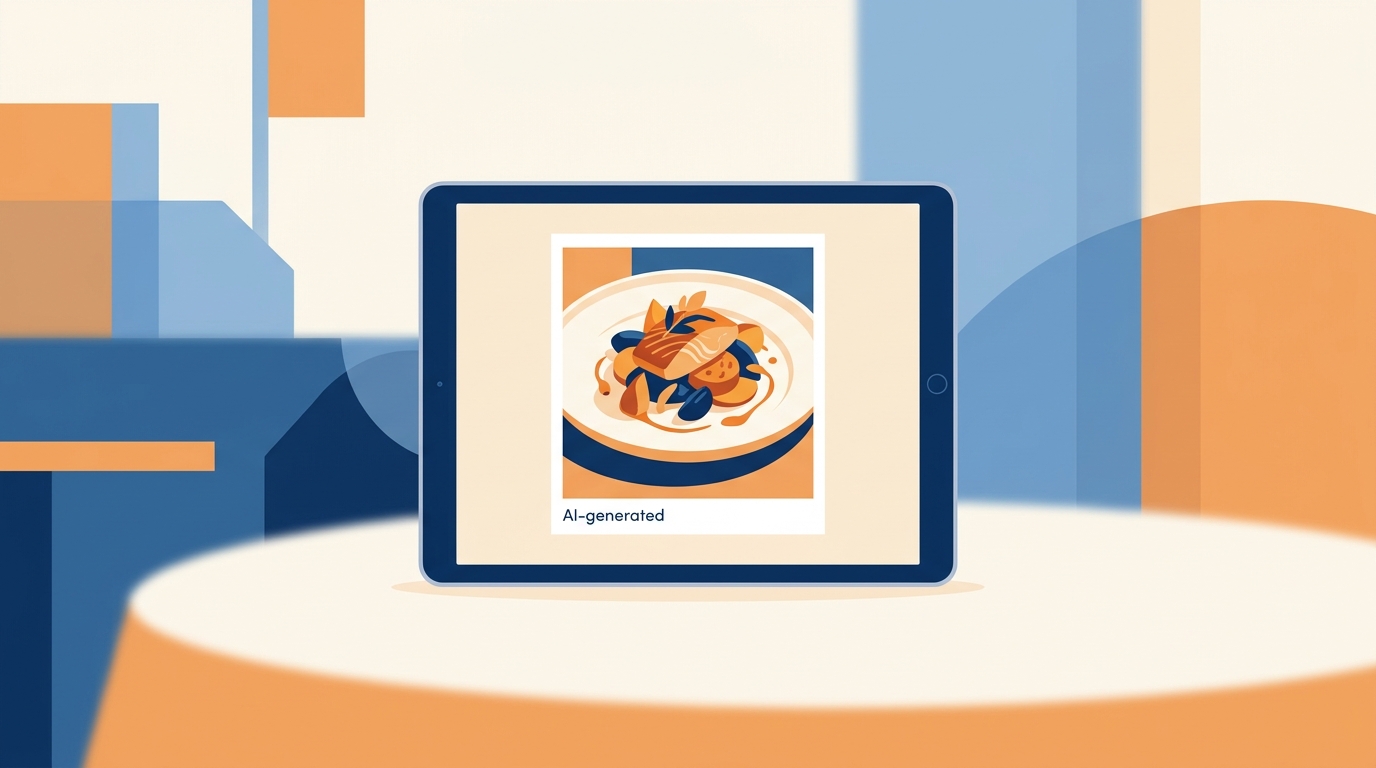
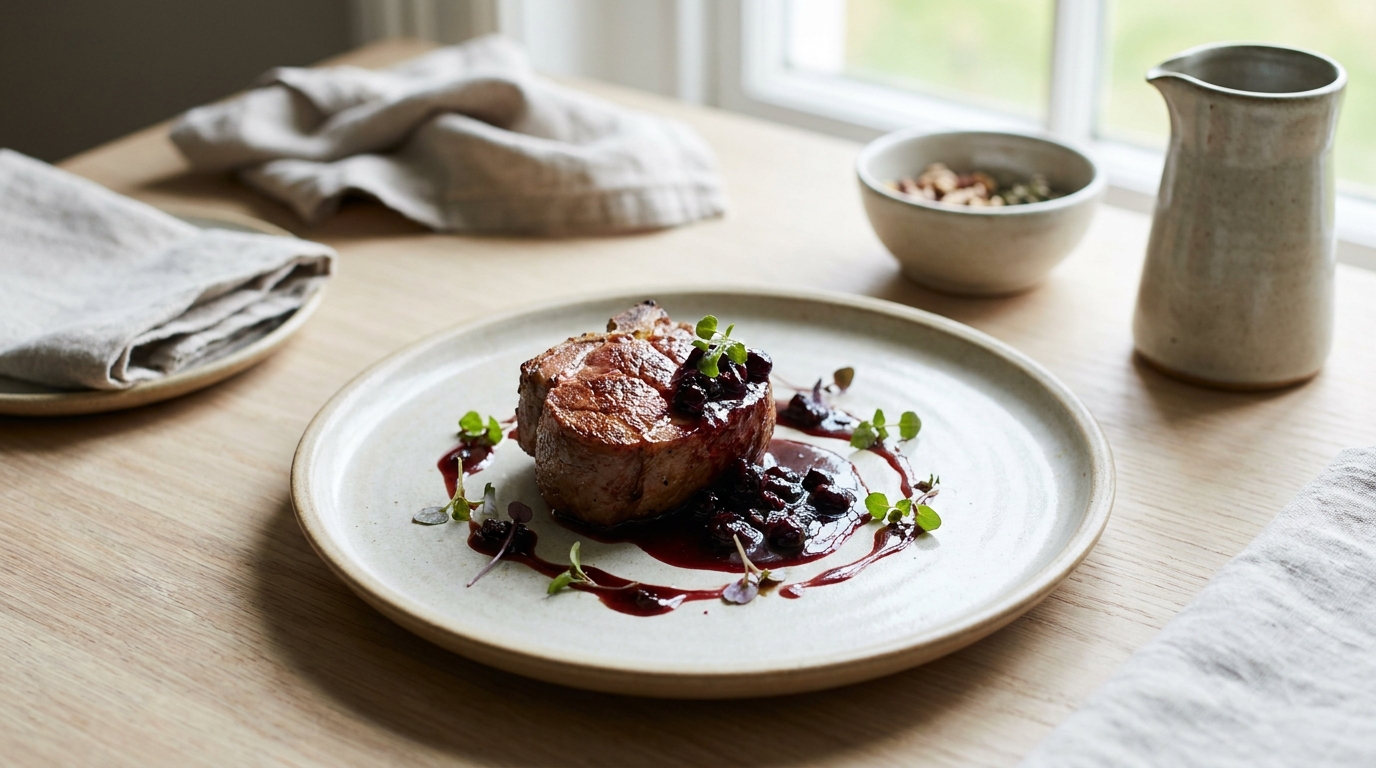
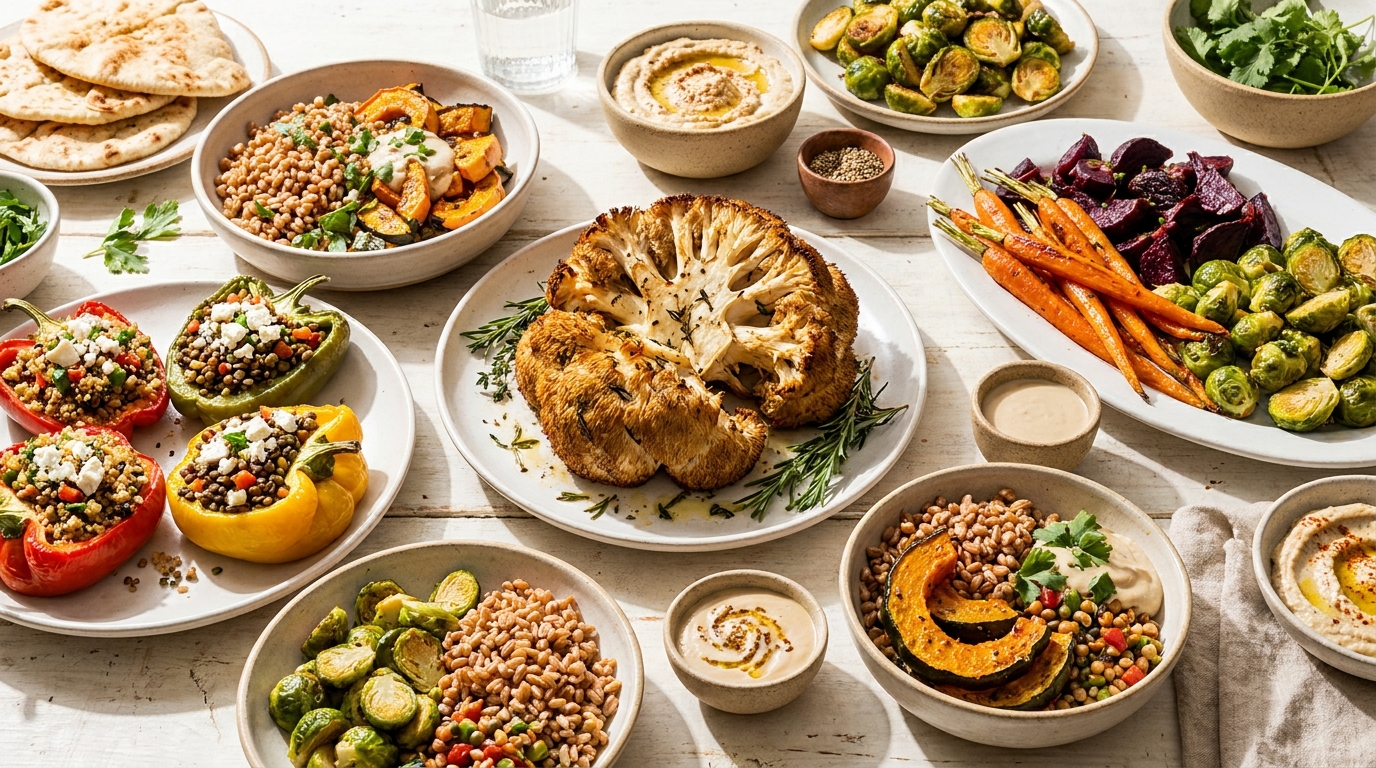
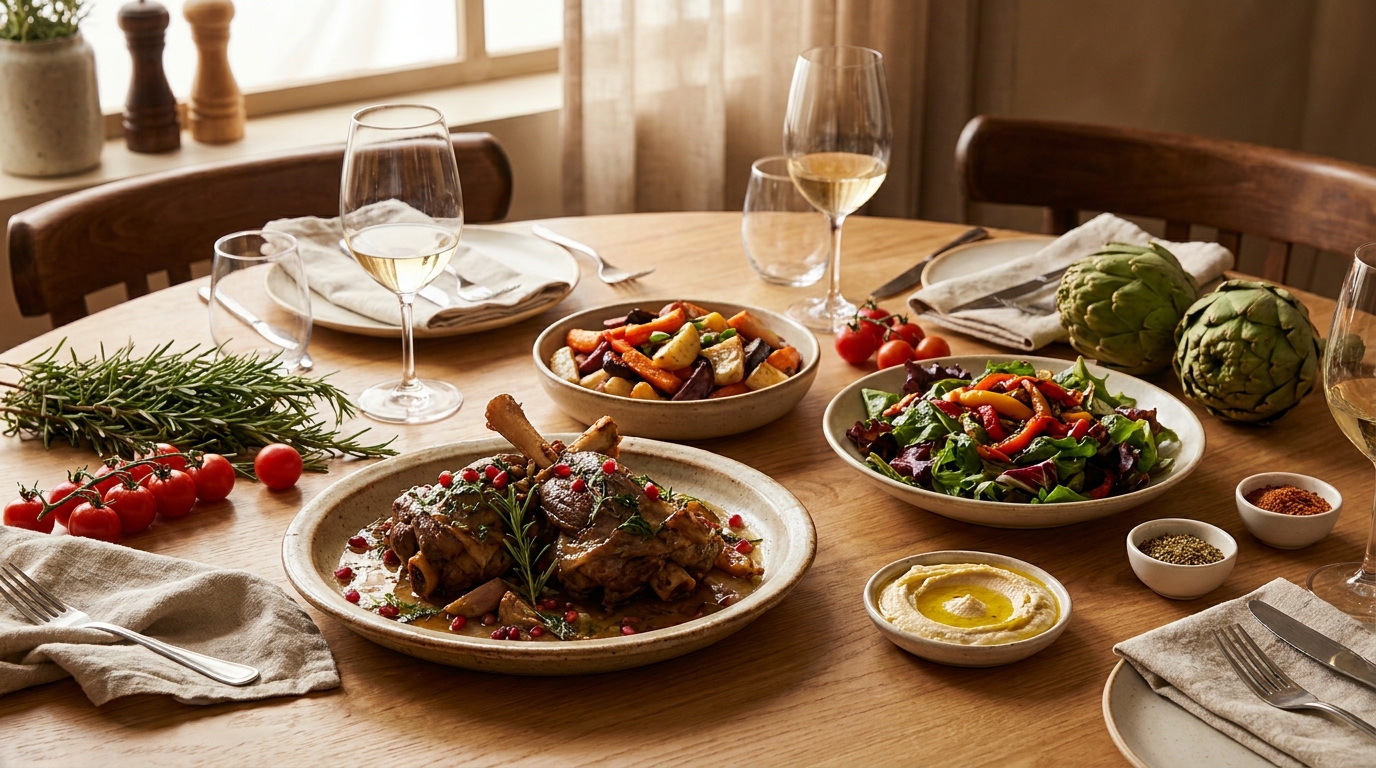
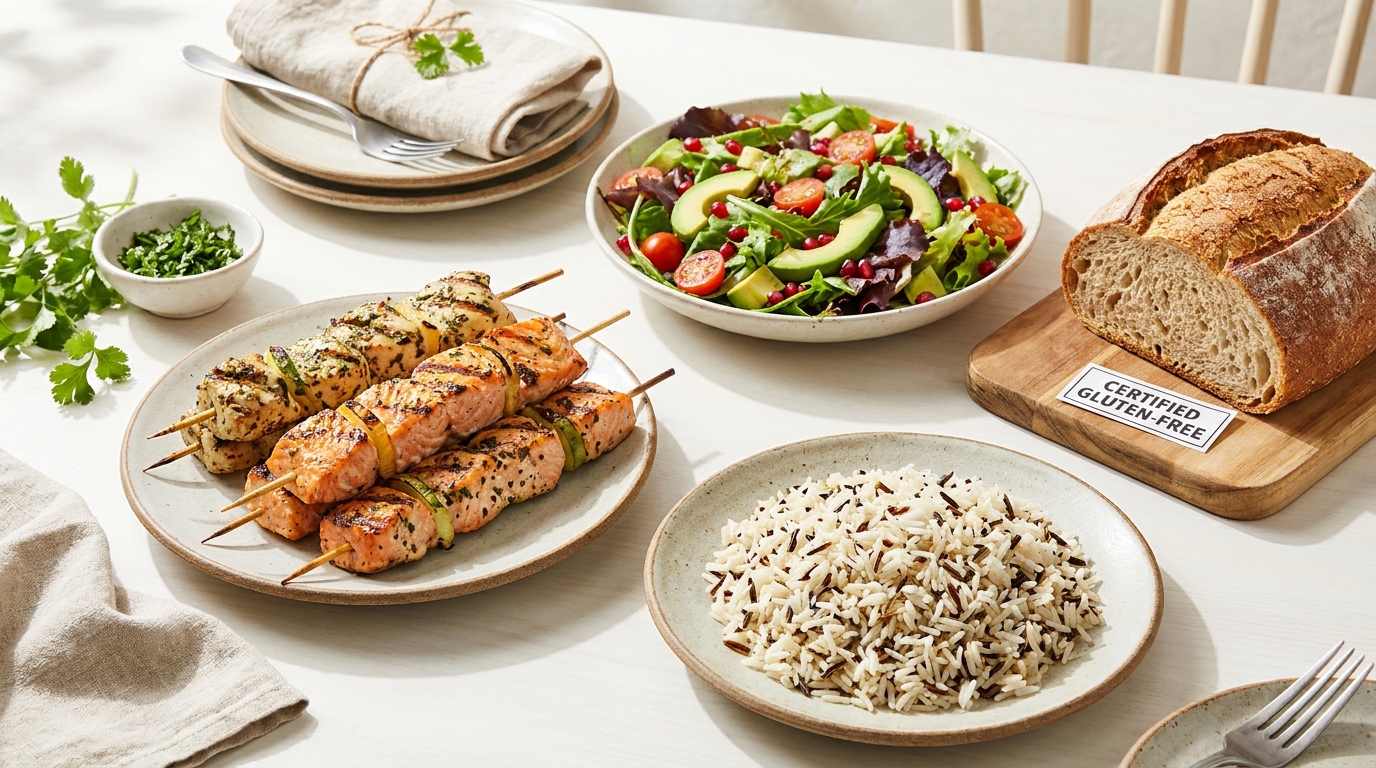
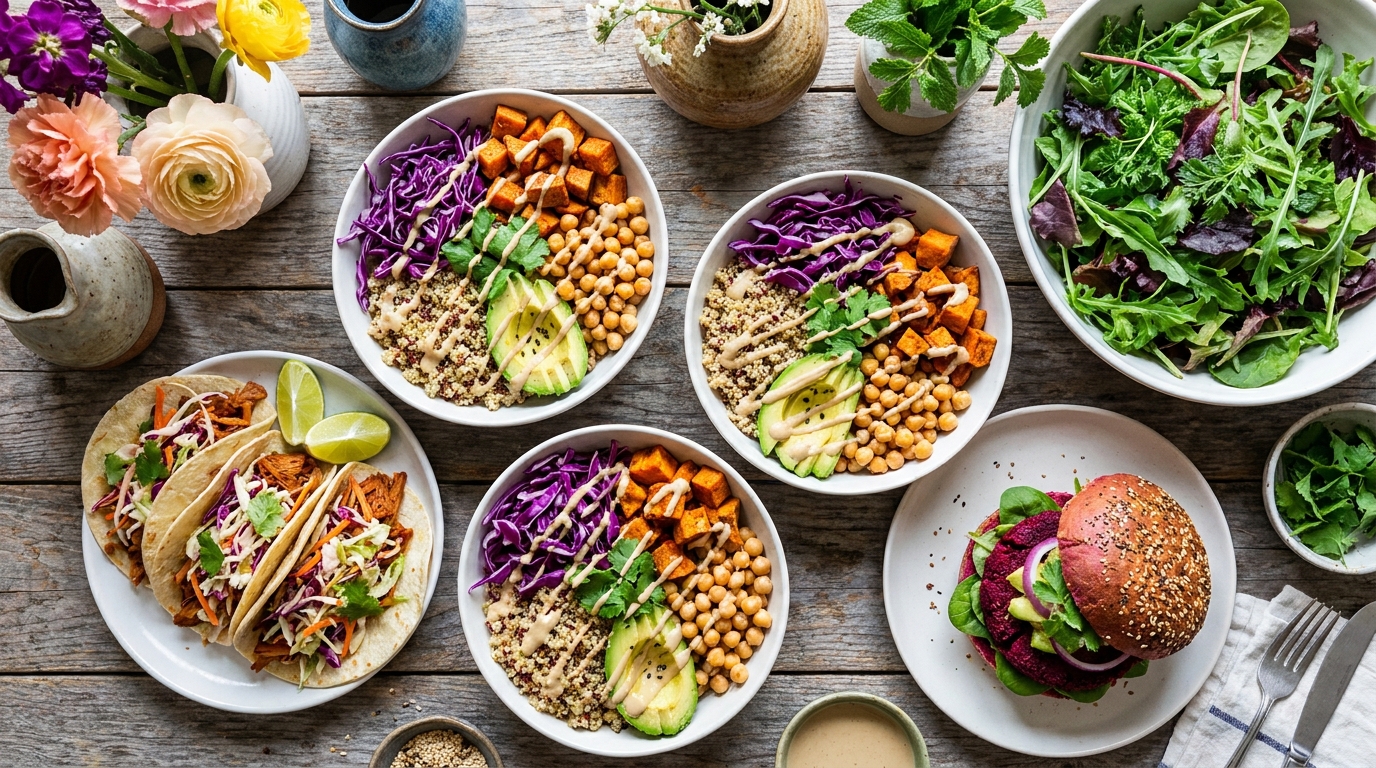
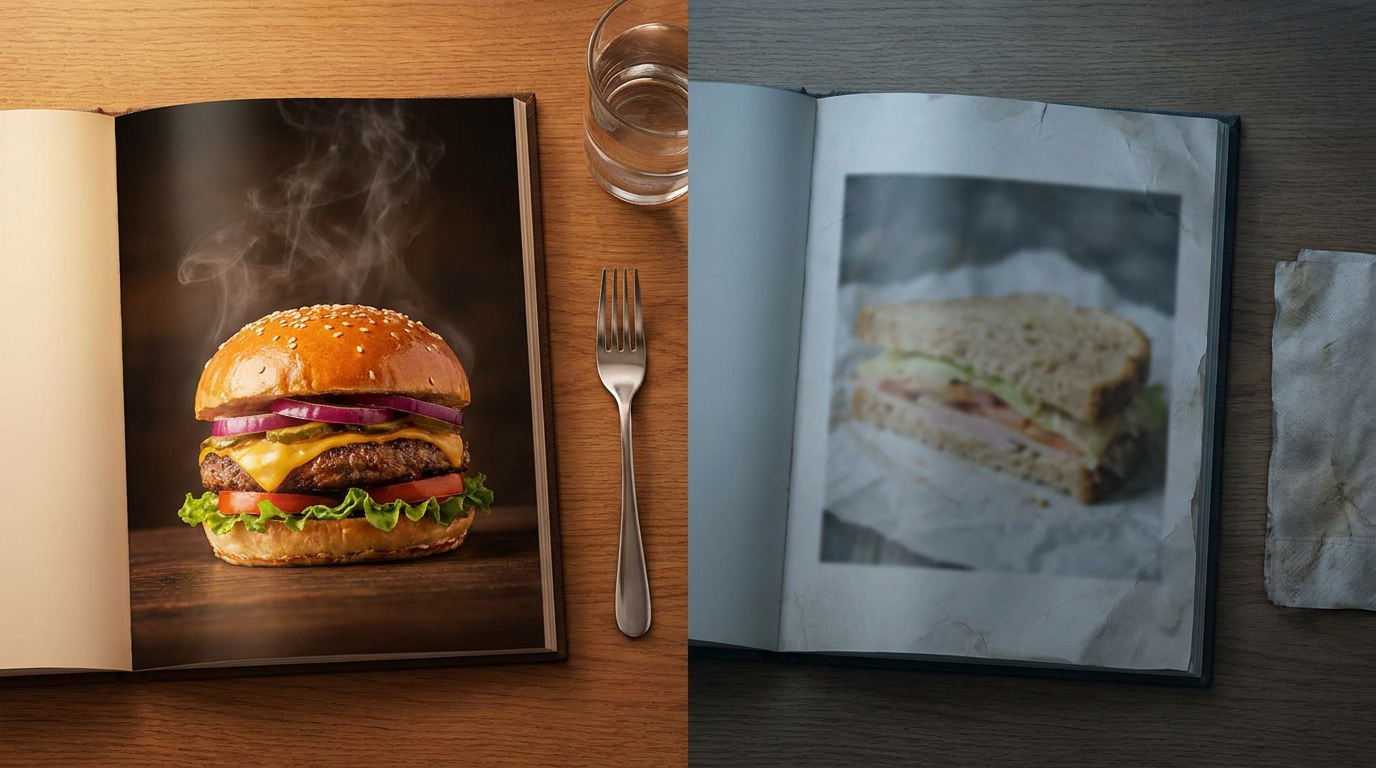
Photos lift menu orders 25-30%. AI photography ($0.50/image) removes the cost barrier. Where photos help and where they hurt.
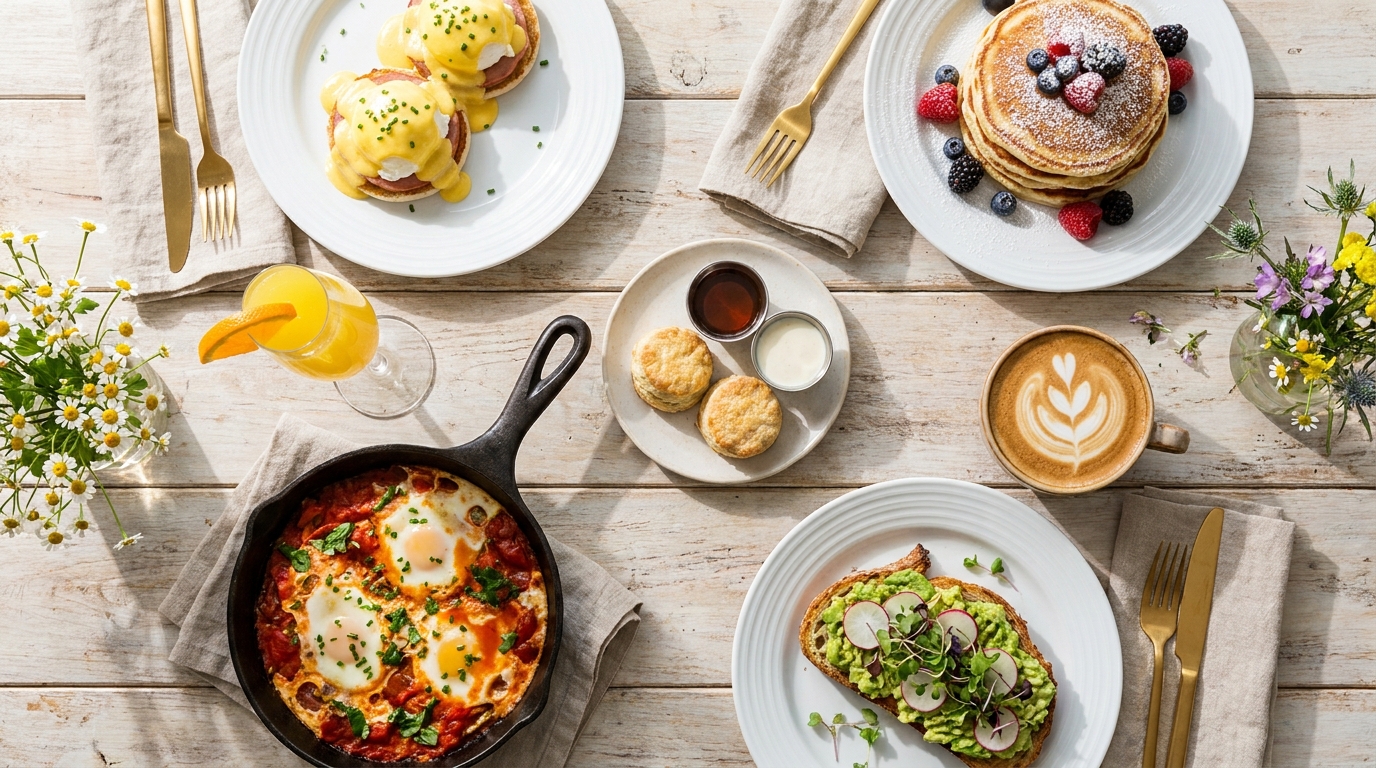
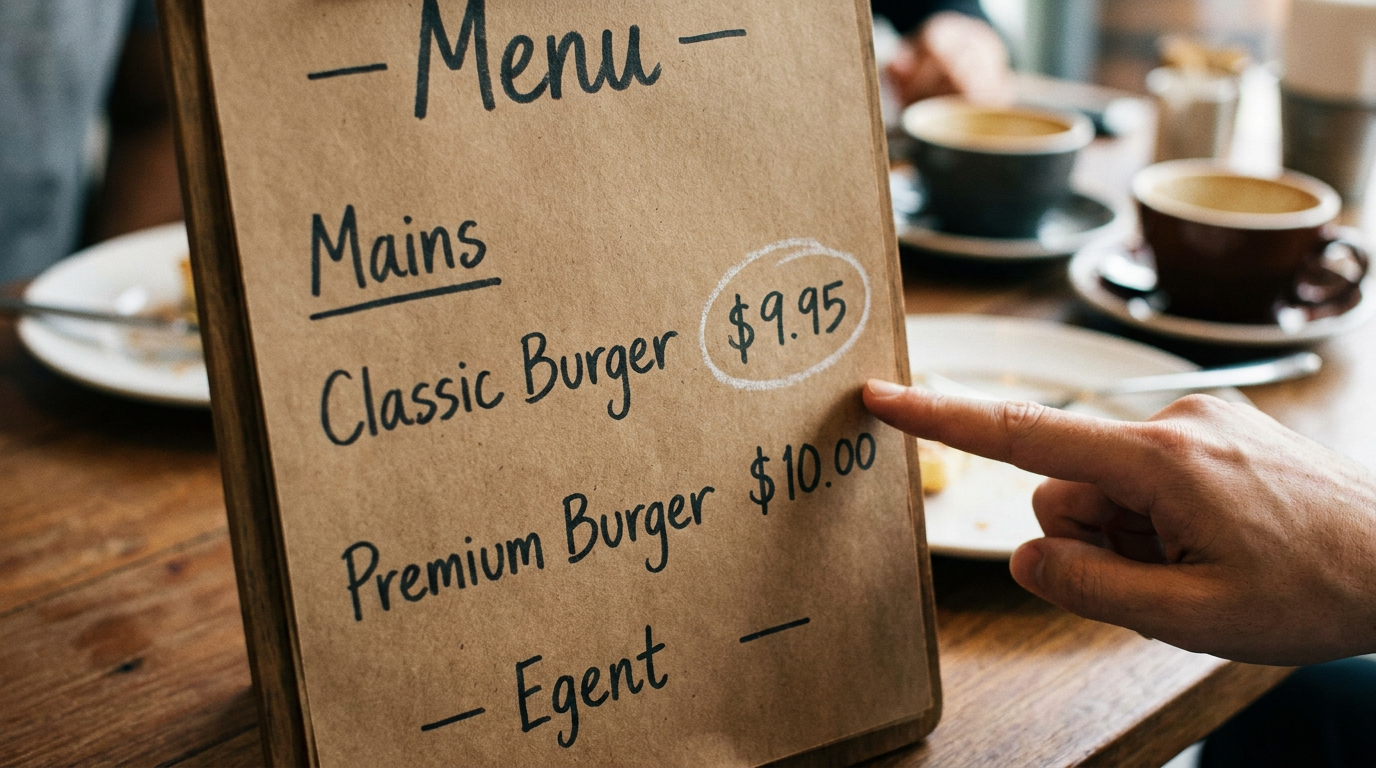
Why $9.95 outsells $10 — and when it does not. The psychology behind menu price points.
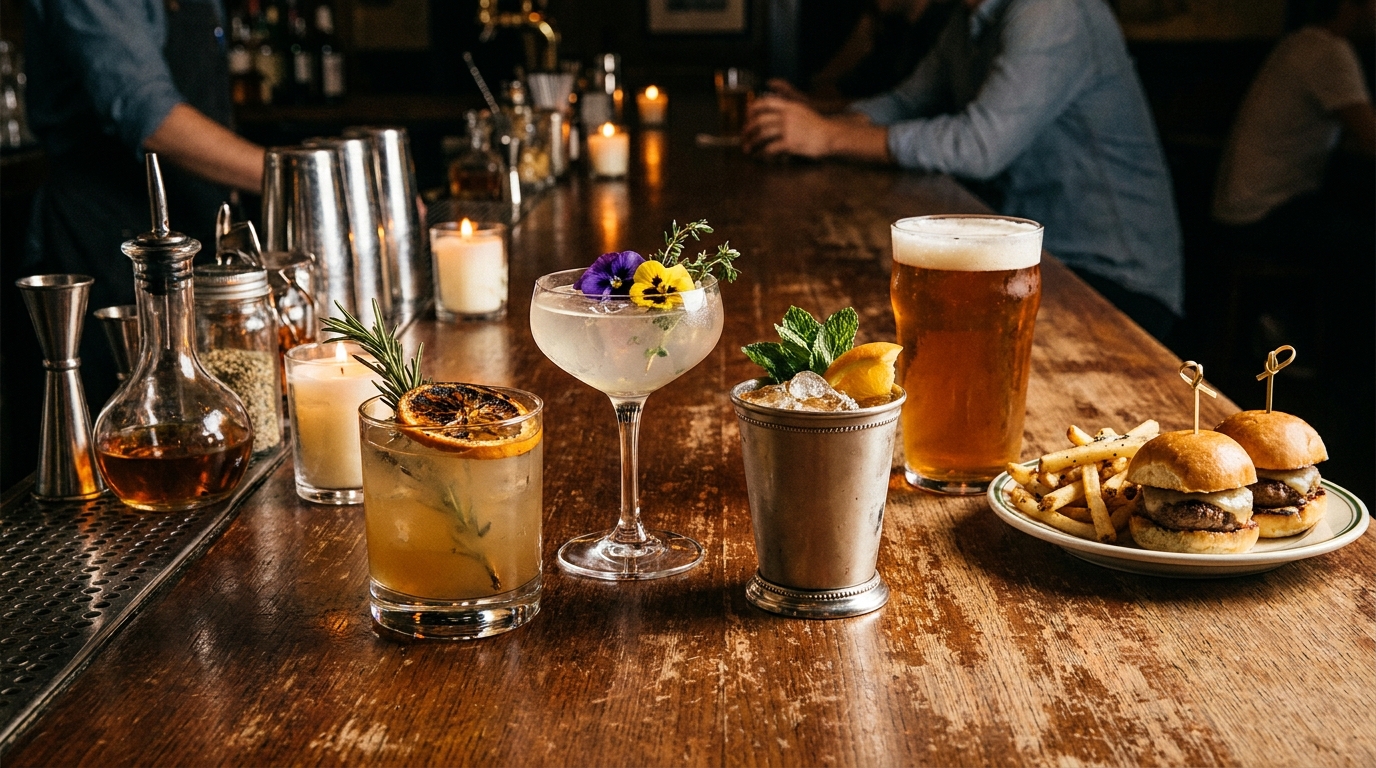
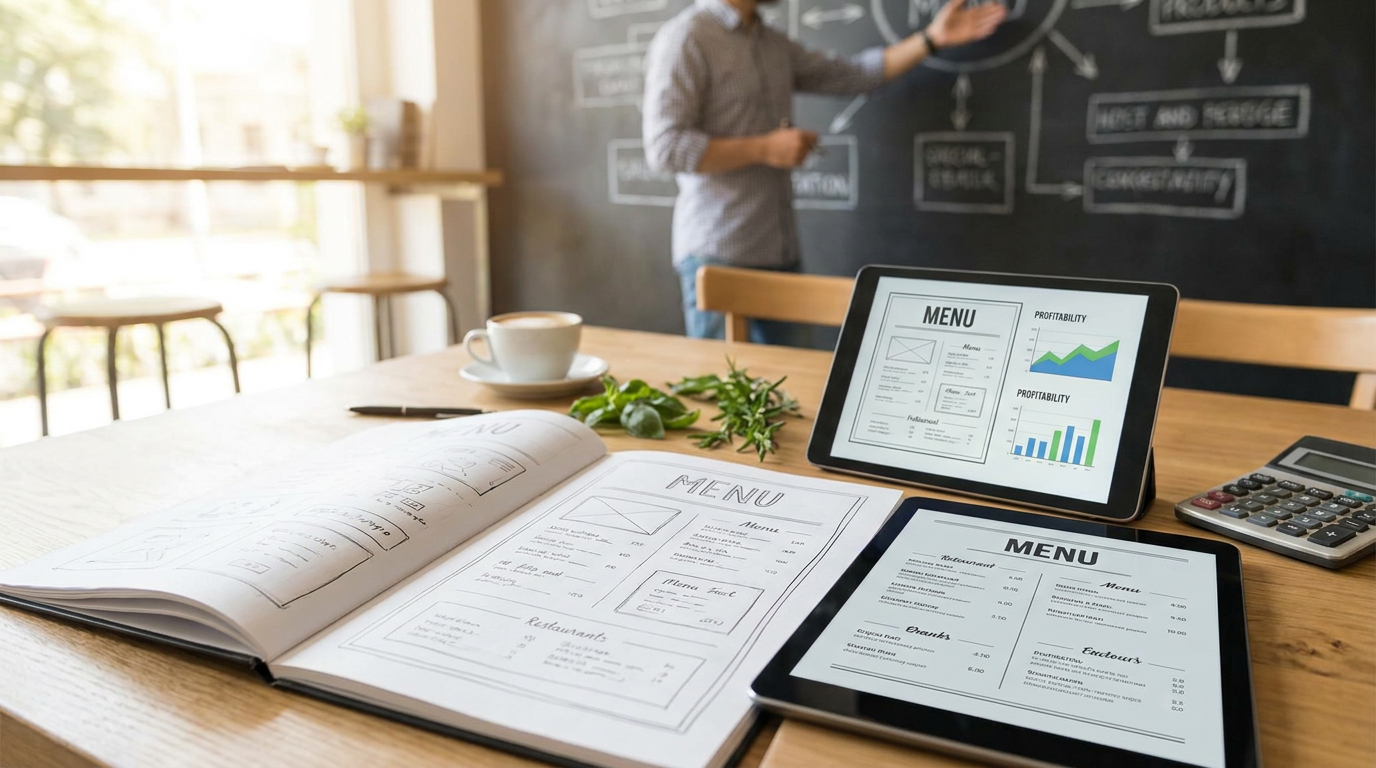
How to design a menu that sells in 2026 — the 15-minute weekly discipline that lifts AOV 8-15%.
50 cited statistics every restaurant operator should know in 2026 — QR adoption, food tourism, AI use, and more.
POS, KDS, OMS — the tech glossary every restaurant owner should know in 2026.
How digital menus reduce paper, carbon, and food waste — the 2026 sustainability story for restaurants.
Are paper checks dead? Should you go fully cashless? How QR-pay-at-table works in 2026 restaurants.
Are voice ordering and AI concierge ready for restaurants in 2026? Where AI works, where it doesn't, and what to deploy now.
What technology does an independent restaurant actually need in 2026? Here's the working stack vs the hype.
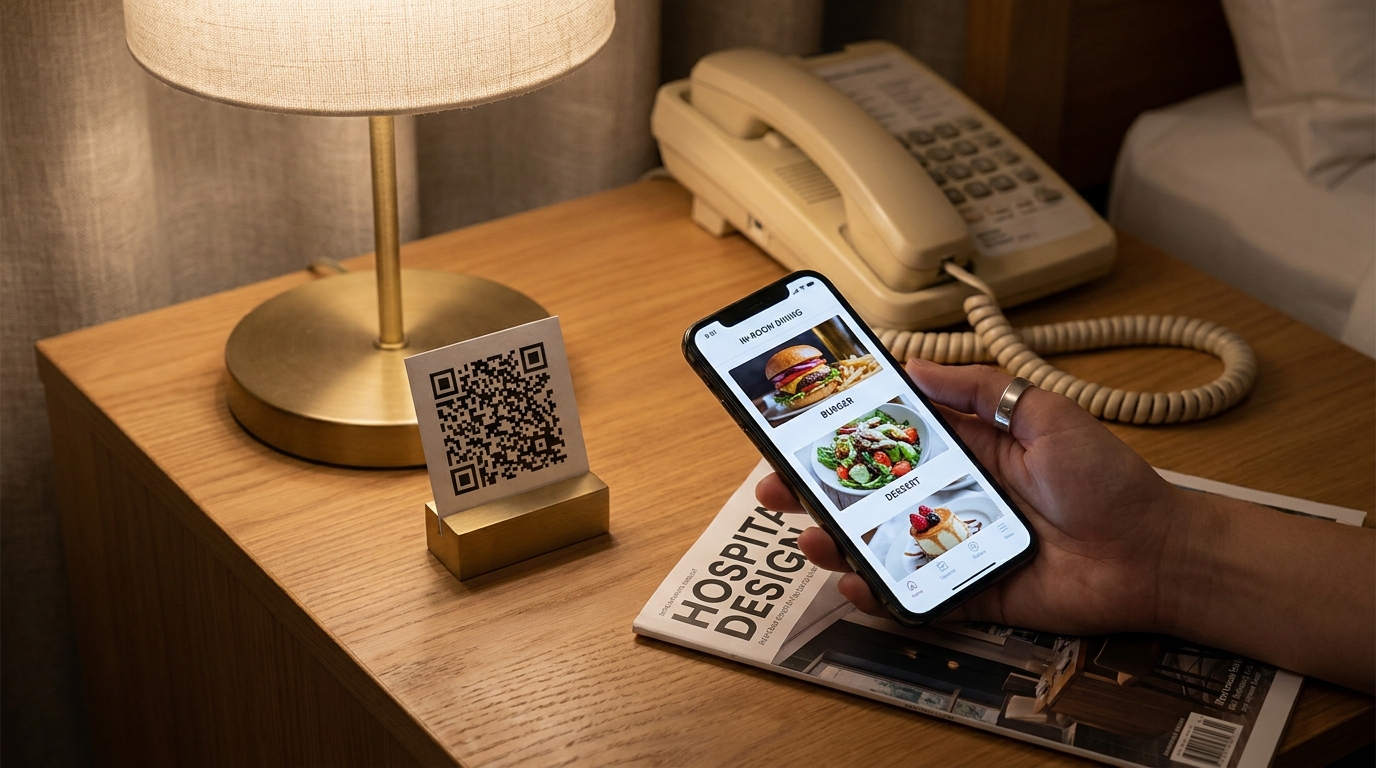
Why hotel F&B menu management is its own discipline
Food tourism — defined as travel where culinary experiences are a primary motivation — is one of the fastest-growing segments of global travel.
Food etiquette gets discussed often. Beverage etiquette is more specialized and easier to get wrong, partly because beverages are often the first thing a tourist orders — coffee in the morning, wine at lunch, tea in the afternoon. Get the beverage order right and the meal starts well.
The 30 most important restaurant terms
Tokyo isn't a single cuisine. It's a layered city of cuisines — washoku (traditional Japanese), regional specialties from across Japan that get represented here, French-Japanese fusion, Italian-Japanese fusion, sushi at every price tier, ramen as a serious art form, izakaya as social infrastructure, kaiseki as the most refined hospitality experience in world food.
Why "spaghetti bolognese" doesn't exist in Italy
The cuisines are organized by region for ease of reference. Within each region, listings are roughly alphabetical.
Are paper punch cards still effective in 2026? Yes — the format works. The 2026 upgrade is making the punch card digital so it doesn't get lost.
The 2026 algorithmic floor is 3 posts per week for a restaurant account to maintain organic visibility. Below that, the algorithm progressively reduces reach.
What does restaurant marketing look like in 2026? The 2026 restaurant marketing landscape has been reshaped by three converging trends.
Why dining etiquette differences matter Dining etiquette is one of the most underrated friction points in international tourism. Tourists rarely realize they're committing cultural faux pas; restaurants rarely train staff to handle these moments gracefully. The result is uncomfortable interactions that neither side fully understands.
How does Google decide which restaurants to show tourists?
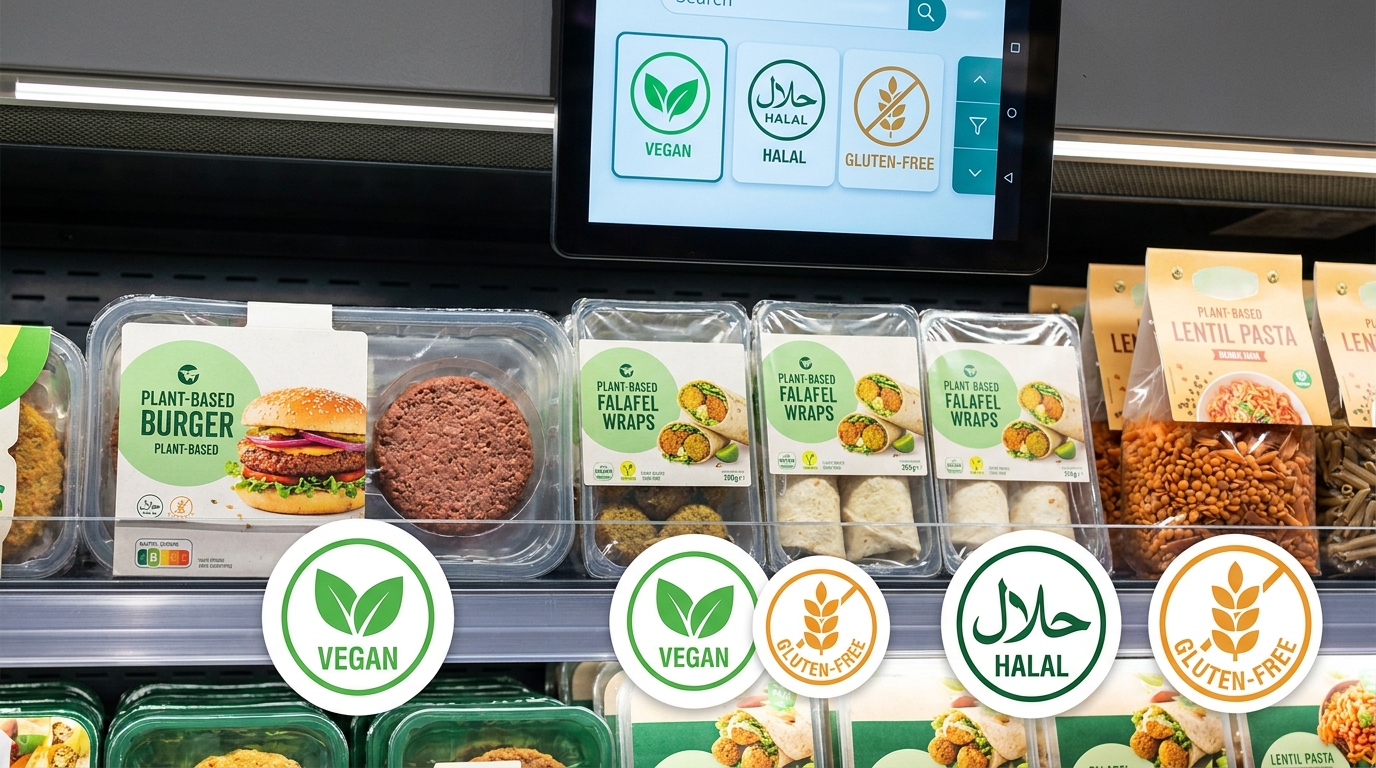
Halal observance varies in strictness, but most halal-observant guests look for these signals, in descending order of trust:
What 20 phrases should every server know in tourist languages?
The 2026 timeline of tourist restaurant decisions
The food-tourism economy reached an inflection point in 2024 and has only grown since. The 2026 statistics that frame the opportunity:
The basic legal framework: a restaurant has a duty of care to its guests, which includes accurately disclosing the allergens present in the food it serves. A guest who suffers an allergic reaction caused by undisclosed or misdisclosed allergens has grounds for a civil suit against the restaurant.
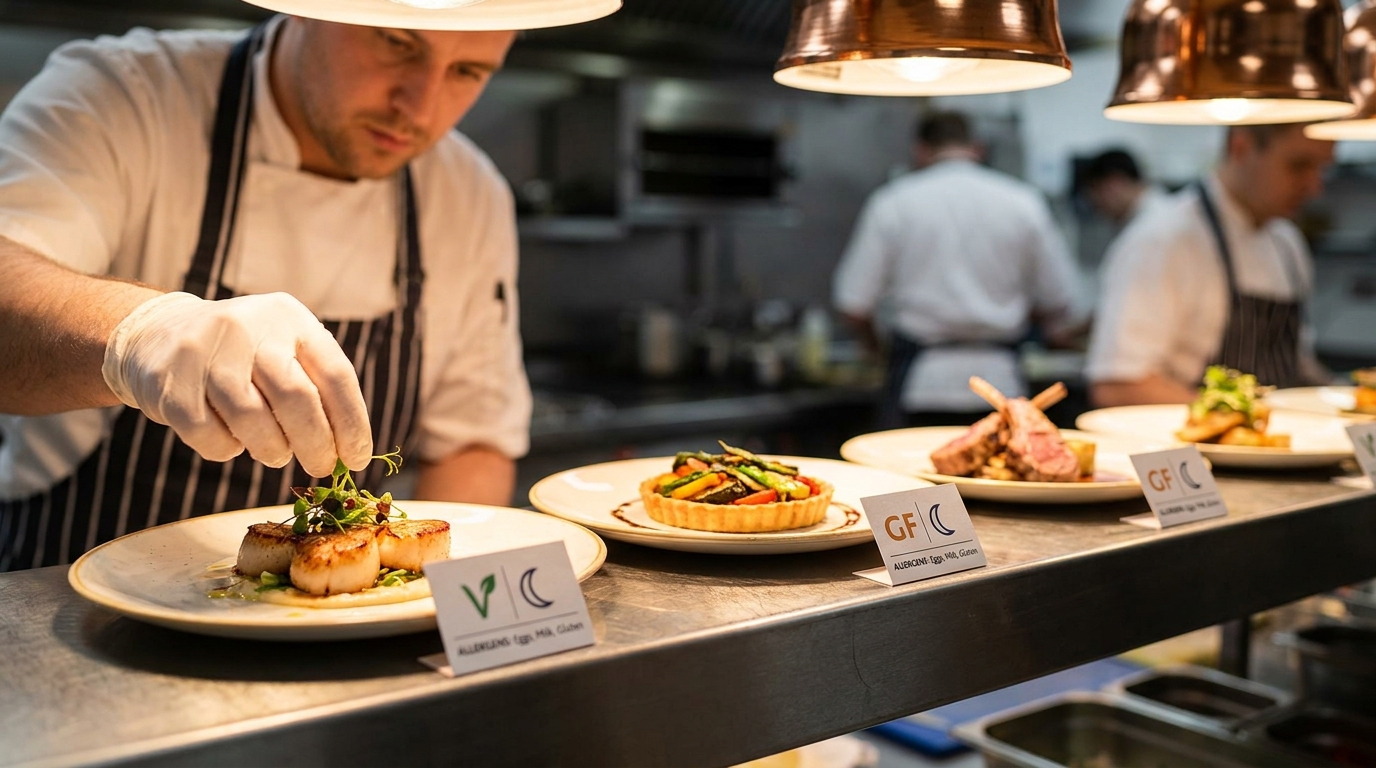
A guest with a peanut allergy almost always remembers to ask about peanuts. The allergic reactions that send people to hospital usually come from the allergens they didn't think to ask about — because the kitchen didn't disclose them, and the dish didn't seem to contain them.
Traveling with severe food allergies has gotten meaningfully easier in 2026, but the experience varies enormously by country. Some destinations have strict allergen disclosure laws and well-trained restaurant staff; others operate on assumptions about cuisine that can be dangerous for an allergic guest.
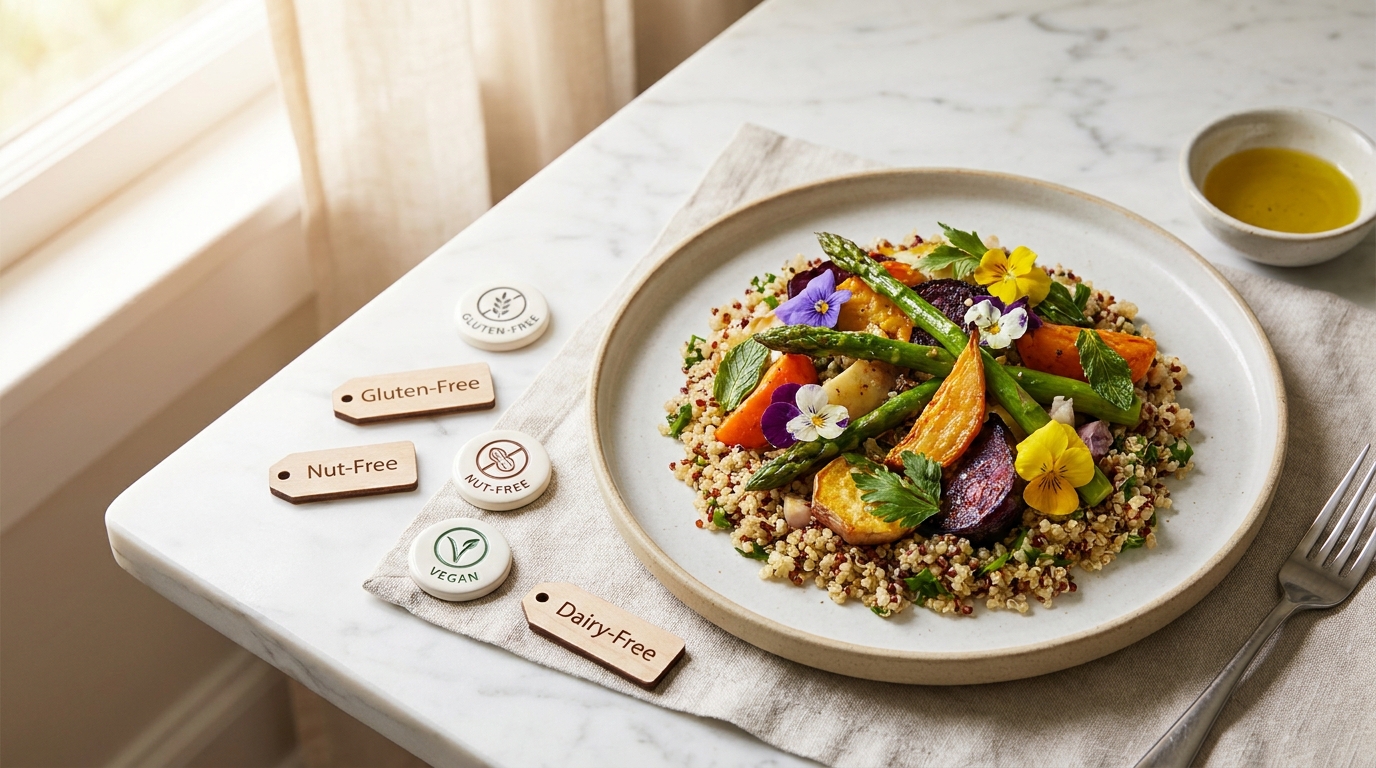
Should allergens be icons or text or both?
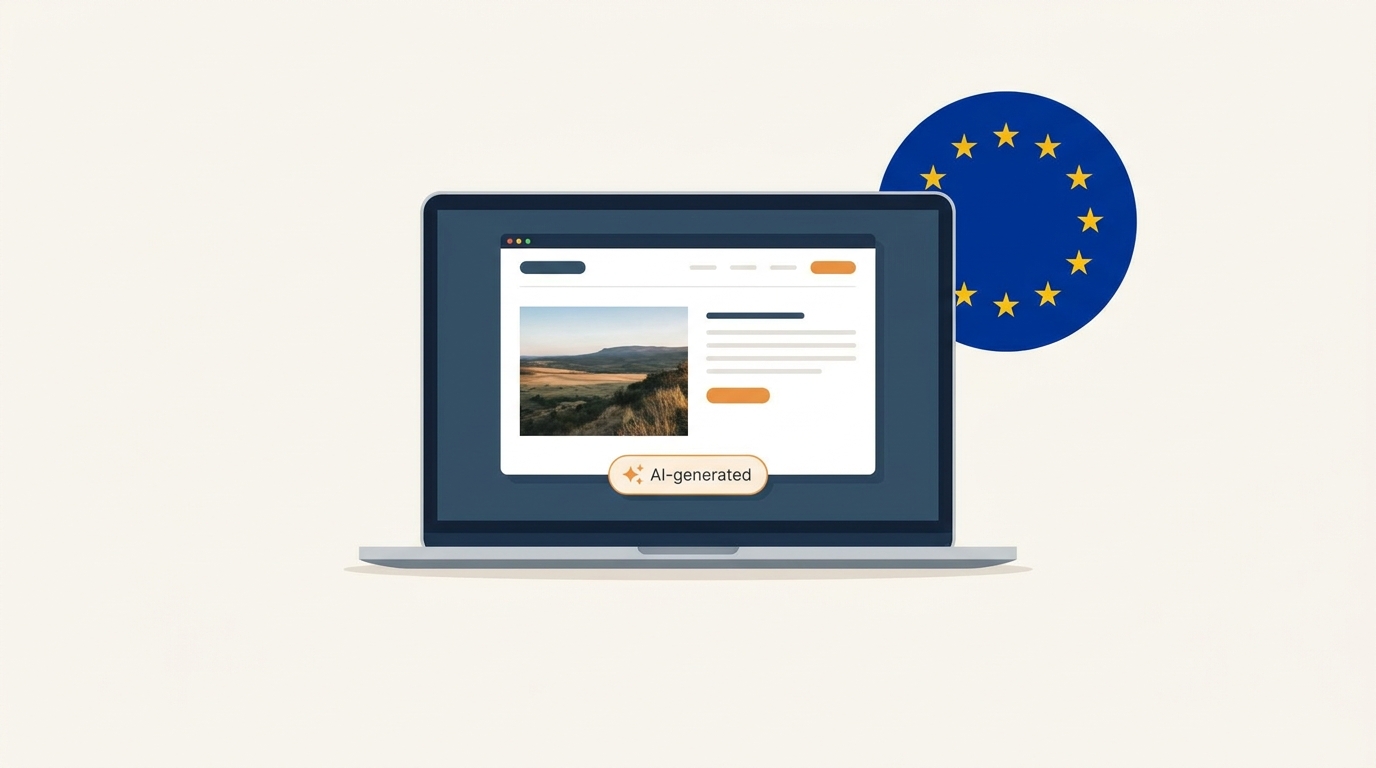
EU Regulation 1169/2011 — Regulation (EU) No 1169/2011 of the European Parliament and of the Council on the provision of food information to consumers (often shortened to "FIC") — is the foundational EU law on food labeling and information disclosure.
The required allergens vary by jurisdiction. The four most relevant frameworks for international tourist-area restaurants:
What makes a restaurant ad actually drive bookings?
Five common causes, in descending order of frequency seen in real-world generations.
If you're spending more than $2,000 a year on food photography in 2026, you're almost certainly overspending. AI food photography is now production-grade for the bulk of restaurant imagery work — menu photos, social posts, delivery platform listings, ad creatives, in-house signage — at a cost that's roughly 1% of the equivalent professional shoot. Reserve professional photography for the cornerstone work where it still genuinely matters: signature-dish brand shots, chef portraits, atmospheric dining-room photography for PR and editorial pitches. That's it. The rest is AI.
The difference between a great AI food photo and a plastic-looking AI food photo is rarely the model. It's almost always the prompt.
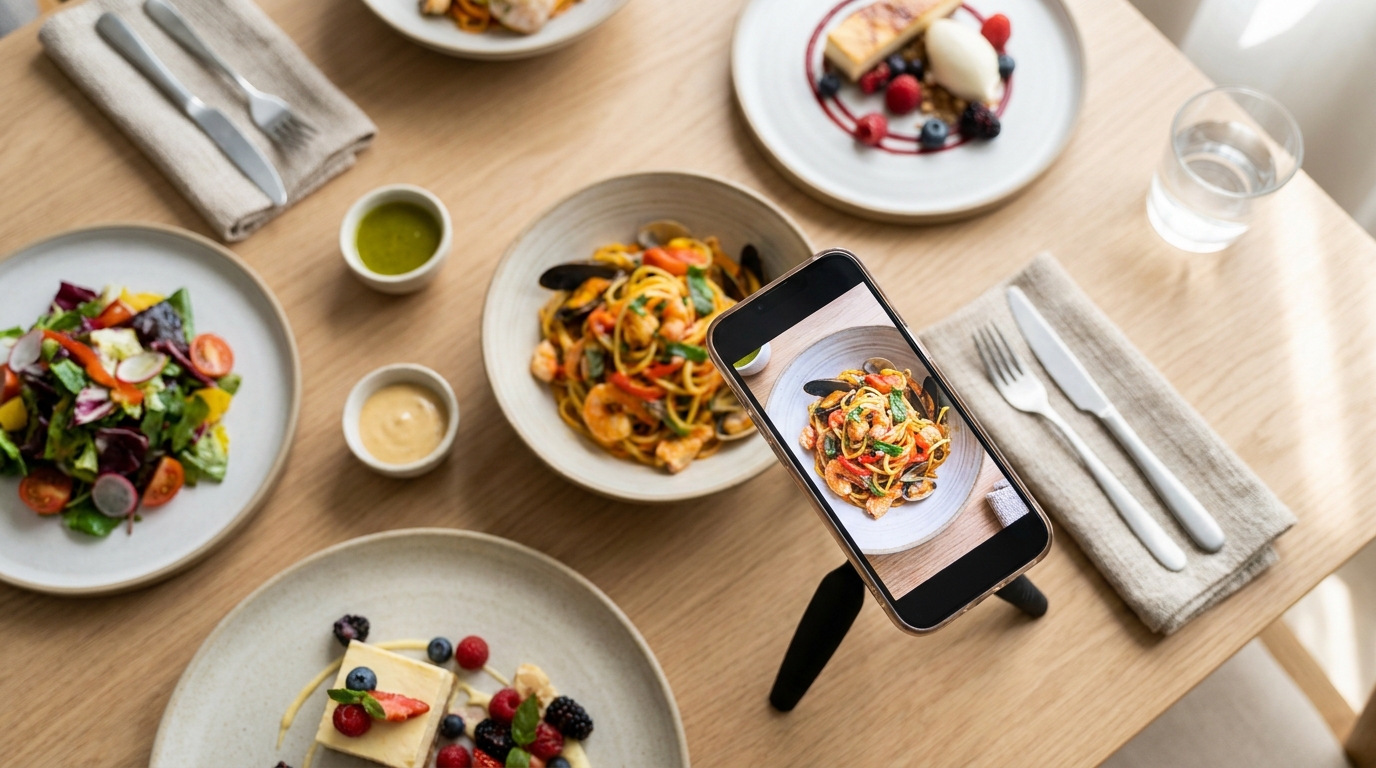
AI food photography is the use of generative AI image models to produce professional-looking photographs of dishes — for menus, ads, websites, social media and delivery platforms — without a camera, a studio, a food stylist, or a photographer.
The QR menu pricing landscape in 2026 has four distinct tiers, with very different feature sets and very different total costs of ownership. Most operators evaluating QR menus see only the headline "monthly fee" number and miss the rest of the iceberg. Here's the full picture.
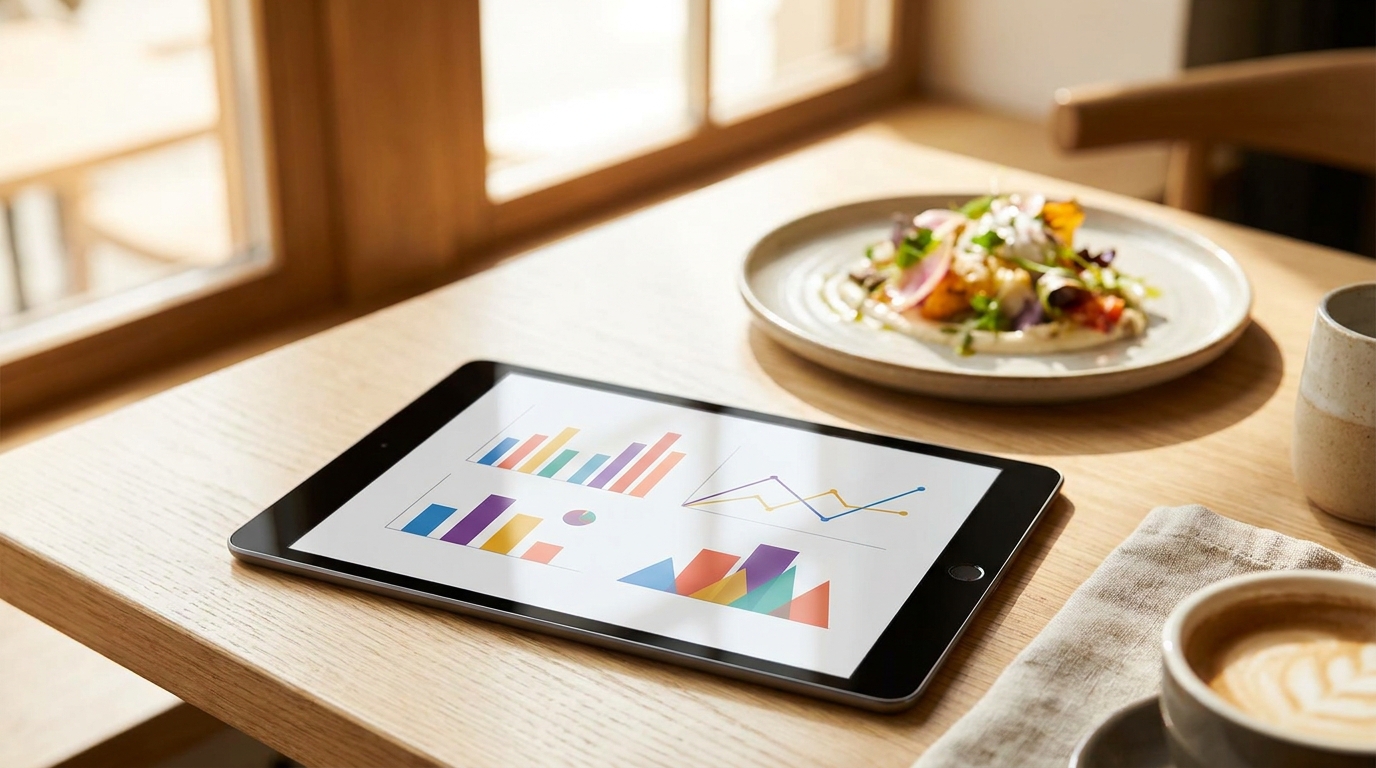
A modern QR menu in 2026 captures eight categories of data, all anonymous, all GDPR-friendly when handled properly:
The diner backlash against QR menus that surfaces in restaurant industry press isn't really backlash against QR codes. It's backlash against the worst implementations of QR codes — and there are still a lot of them in the wild in 2026.
Most restaurants print one QR code on a table tent and consider the placement decision finished. This captures the seated guest who is about to order, which is valuable, but it ignores at least four other moments where a QR scan would matter:
If you ever plan to change your menu, your branding, your URL, or your seasonal offerings — and you want to know who is actually scanning your code — use dynamic. Static is a false economy.
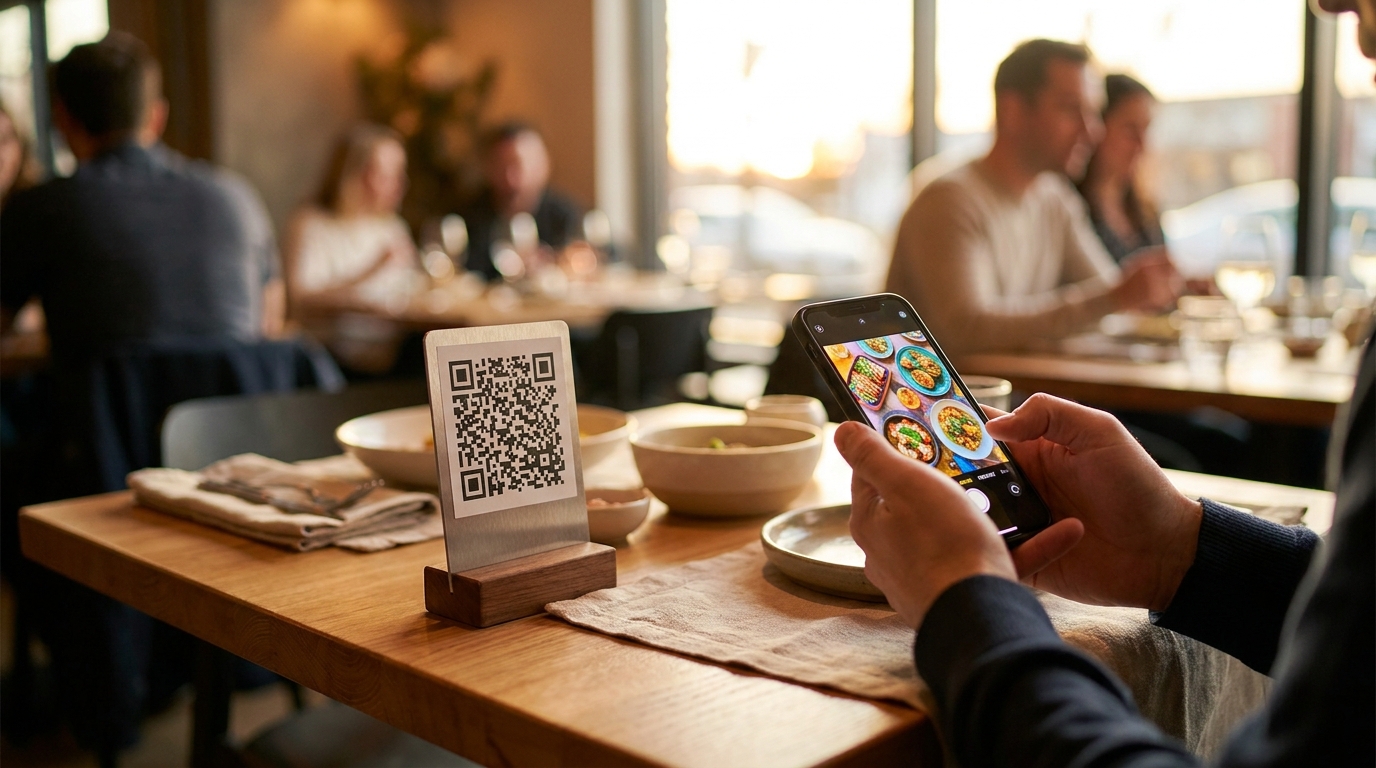
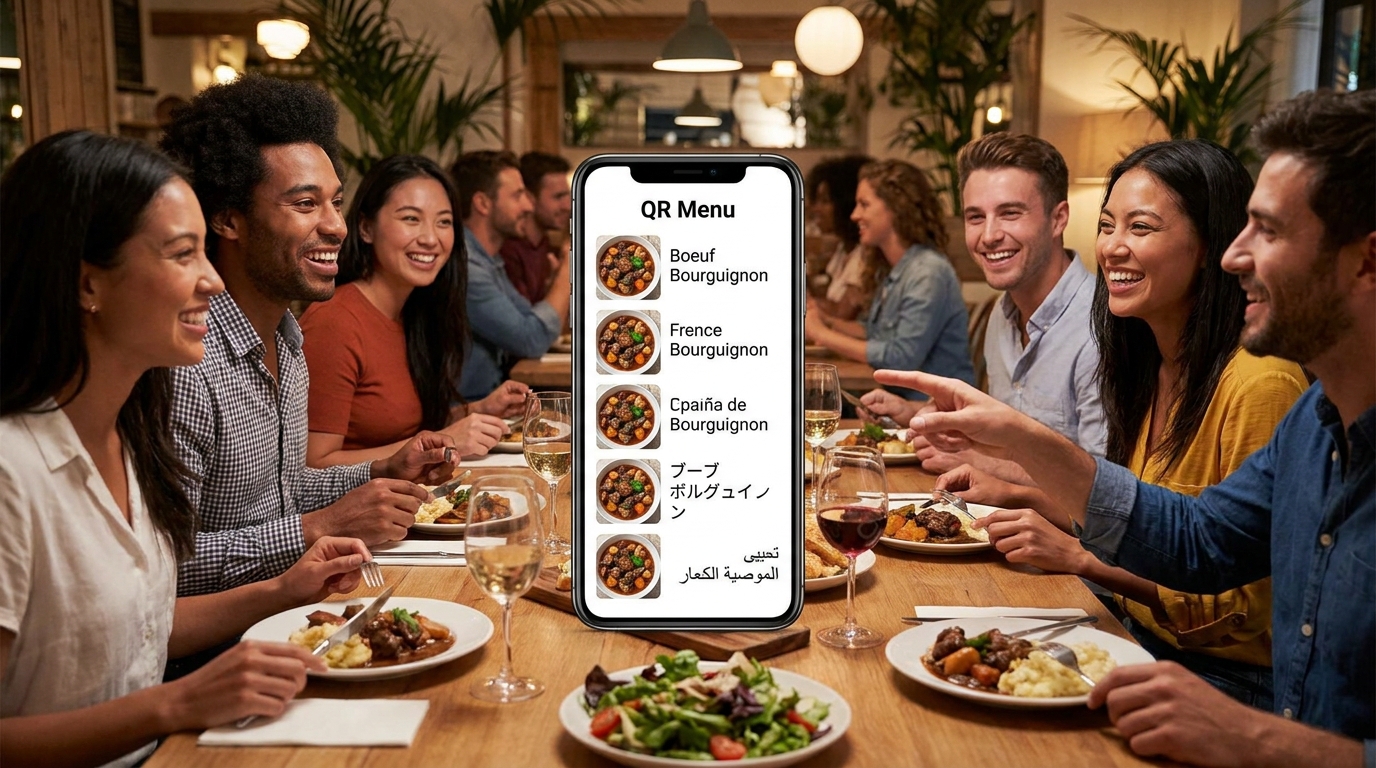
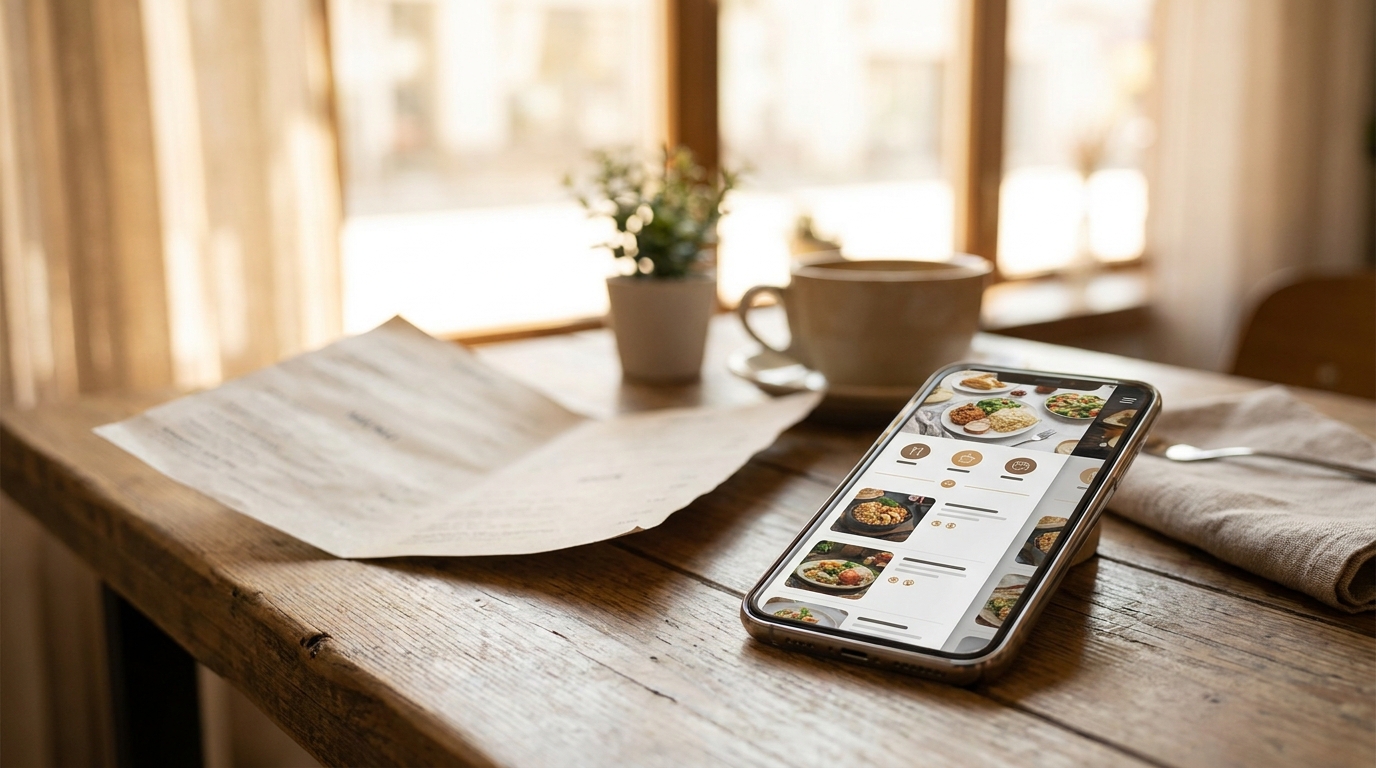
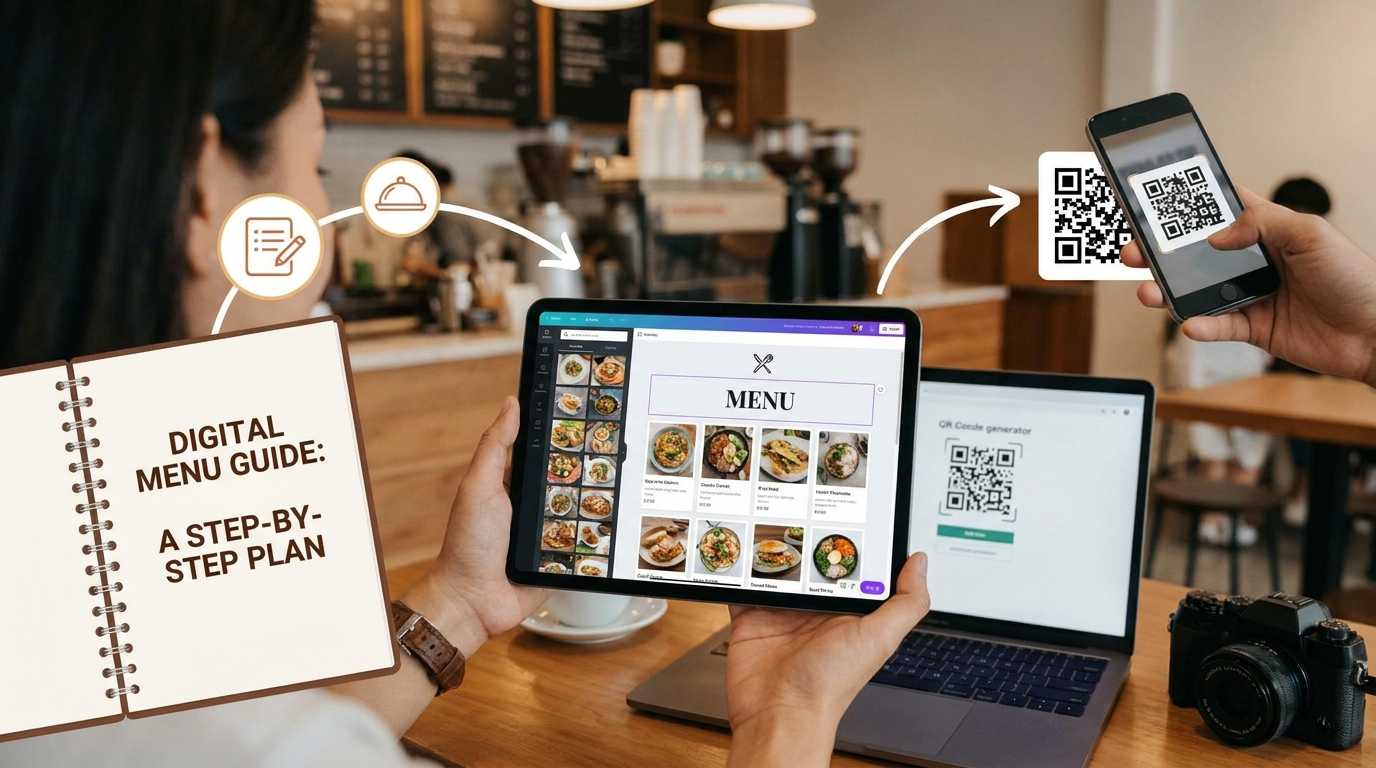
A QR code menu is a quick-response barcode printed in your restaurant — on a table tent, the corner of a paper menu, a window decal, a receipt, a coaster — that opens your full menu in the guest's phone browser when scanned. No app download, no account creation, no friction. Camera open, point, tap notification, menu loads.
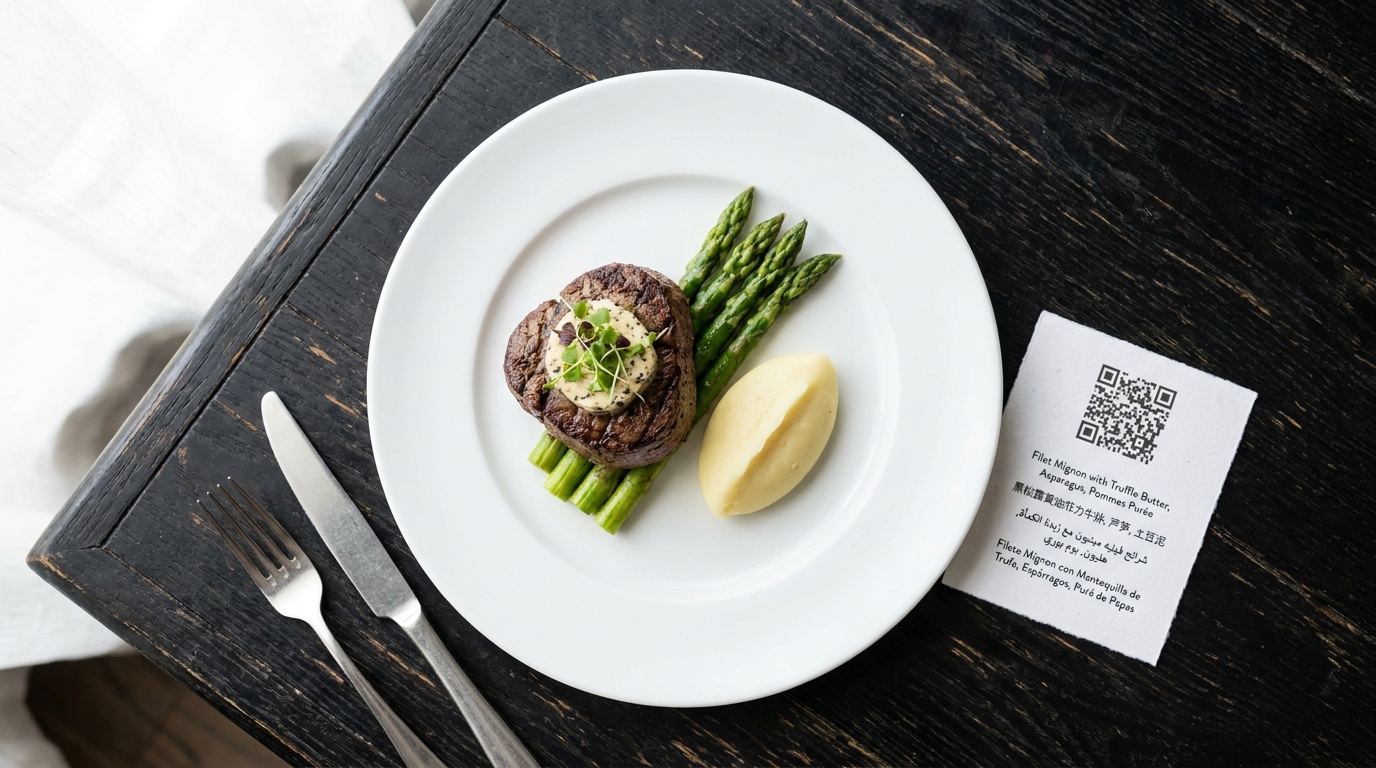
Most operators thinking about multilingual menus frame it as a marketing investment. That framing produces bad math, because it makes the multilingual menu compete for budget against ads, refurbishment and PR.
Every cuisine has its own translation traps. The five we cover in this guide — Italian, Japanese, Arabic, Chinese and Indian — are the cuisines most often tourist-served, and the cuisines most often mistranslated. The patterns below come from auditing thousands of multilingual menus and from working with native-speaker reviewers in each language.