
AI Food Photography Prompts: 50 आजमाए हुए उदाहरण
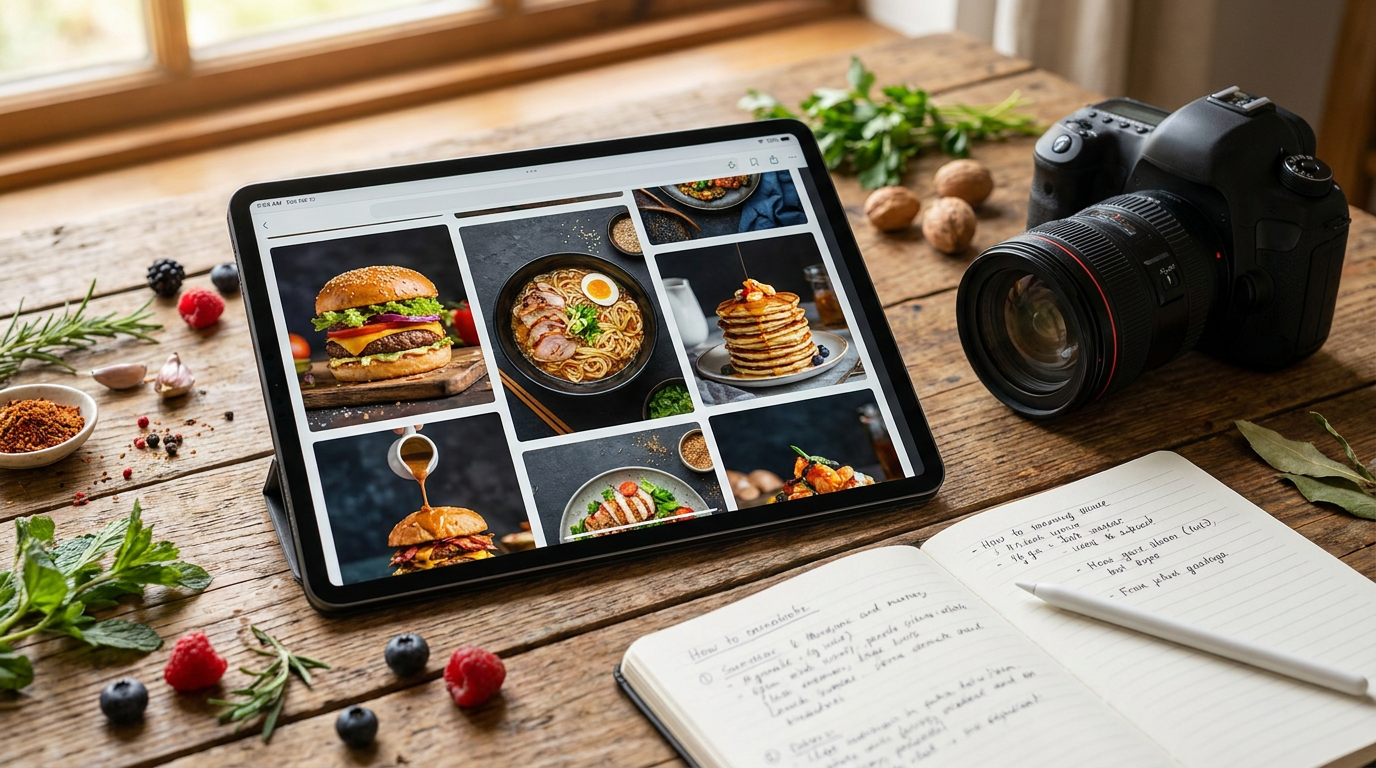
प्रॉम्प्ट का ढांचा, lighting के सही शब्द, negative prompt और 50 तैयार उदाहरण — जिनसे आपके restaurant की AI तस्वीरें असली दिखें।
बेहतरीन AI food photo और प्लास्टिक जैसे दिखने वाले AI food photo के बीच का फर्क शायद ही कभी model की वजह से होता है। लगभग हमेशा यह फर्क prompt का होता है।
TL;DR — एक नज़र में मुख्य बातें
अच्छा नतीजा देने वाले AI food photography prompt में छह हिस्से होते हैं: subject, दिखाई देने वाली सामग्री, camera angle, lighting, surface और props, और style anchor।
"appetizing", "delicious" और "mouth-watering" जैसे शब्द तस्वीर को असली नहीं, बल्कि और ज़्यादा नकली बना देते हैं। इन्हें प्रॉम्प्ट से हटा दीजिए।
Negative prompt यानी "क्या नहीं चाहिए" — यह positive prompt जितना ही ज़रूरी है। "no plastic-looking food, no oversaturated colors, no cartoonish texture" जोड़ते ही गुणवत्ता तुरंत सुधरती है।
2026 में ज़्यादातर restaurant मालिकों को खुद prompt लिखने की ज़रूरत ही नहीं पड़ती। सादी भाषा वाले image tools यह काम ख़ुद कर देते हैं — Intermenu में, उदाहरण के लिए, AI डिश फ़ोटो डिश के नाम और विवरण से बनती है, और प्रोमो इमेज स्टूडियो आपकी अपनी भाषा में लिखा विवरण लेता है।
नीचे 50 आज़माए हुए उदाहरण दिए गए हैं, cuisine और dish श्रेणी के हिसाब से — साथ में भारतीय रसोई के लिए एक अलग सेक्शन।
प्रॉम्प्ट की संरचना क्यों मायने रखती है
ढीला-ढाला prompt एक आम, stock-image जैसा नतीजा देता है। ठीक से बना हुआ prompt ऐसा नतीजा देता है जिसे किसी पेशेवर food photographer के portfolio से अलग पहचानना मुश्किल होता है। असली ताकत prompt में है, model में नहीं।
इस लेख में हम वह ढांचा देखेंगे जो सबसे भरोसेमंद नतीजे देता है, वे शब्द जो आपके output को नुकसान पहुँचाते हैं (यह बात उल्टी लगती है, लेकिन नतीजों से साबित है), वे negative prompt आदतें जो गुणवत्ता तुरंत ऊपर उठाती हैं, और अलग-अलग cuisine के 50 तैयार उदाहरण।
अगर आप prompt लिखने का पूरा झंझट ही छोड़ना चाहते हैं, तो आखिरी सेक्शन में सादी भाषा वाले उन tools की बात है जो यह काम आपके लिए कर देते हैं।
छह हिस्सों वाला प्रॉम्प्ट ढांचा
हर उच्च गुणवत्ता वाले AI food photography prompt में छह घटक होते हैं। अलग-अलग देखें तो हर घटक वैकल्पिक है, लेकिन आप जितने ज़्यादा घटक शामिल करेंगे, नतीजे उतने ही एक जैसे और भरोसेमंद रहेंगे।
1. Subject — व्यंजन
वह खास dish, प्लेट में सजा हुआ, साफ नाम के साथ।
कमज़ोर: "pasta"
मज़बूत: "tagliatelle al ragù in a wide white ceramic pasta bowl"
2. दिखाई देने वाली सामग्री
प्लेट में असल में क्या-क्या है। AI इसी के आधार पर dish की बनावट तय करता है।
कमज़ोर: "with sauce"
मज़बूत: "...visible pieces of slow-braised beef ragù, finely grated parmigiano-reggiano sprinkled on top, a single basil leaf garnish"
3. Camera angle और composition
dish को किस कोण से फ्रेम किया जाए।
"Overhead 45-degree angle" — सबसे भरोसेमंद डिफ़ॉल्ट
"Top-down flat-lay" — जब कई चीज़ें एक साथ सजी हों (जैसे थाली)
"Close-up macro detail" — बनावट और texture दिखाने के लिए
"Eye-level diner perspective" — माहौल वाली तस्वीरों के लिए
4. Lighting — रोशनी
ऐसी रोशनी जो प्राकृतिक लगे, सजाई हुई नहीं।
अच्छे नतीजे देने वाले वाक्यांश: "Warm afternoon natural light from upper left", "Soft window light, slightly overcast day", "Golden hour ambient light"।
बचने लायक वाक्यांश: "Studio lighting" (अक्सर प्लास्टिक जैसा एहसास देता है), "Bright and even" (सपाट नतीजा), "Harsh sunlight" (खाने के लिए लगभग कभी काम नहीं आता)।
5. Surface और props
आसपास का संदर्भ।
कमज़ोर: "on a table"
मज़बूत: "on a rustic dark wood table, a small linen napkin to the side, a fork resting at a casual angle, a half-glass of red wine blurred in the background corner"
6. Style anchor
समग्र दृश्य पहचान। कुछ काम के style anchor:
"Editorial food photography style, like a Saveur or Bon Appétit magazine spread"
"Restrained, elegant, Scandinavian minimalist food photography"
"Warm, intimate, like a home-cooking photography blog"
"High-end restaurant menu photography, sharp and clean"
Style anchor ही वह चीज़ है जो एक सीरीज़ की सारी तस्वीरों को एक ही restaurant brand का हिस्सा महसूस कराती है। एक चुनिए और उसी पर टिके रहिए।
Lighting के कौन से शब्द सबसे अच्छे नतीजे देते हैं?
हॉस्पिटैलिटी के संदर्भ में हज़ारों food photo generation के बाद एक साफ पैटर्न सामने आता है।
अच्छे नतीजे देने वाले शब्द:"warm afternoon light", "natural window light", "golden hour", "soft shadows from upper left", "ambient restaurant light, warm tones", "diffused daylight"।
कमज़ोर नतीजे देने वाले शब्द:"studio lighting" (हैरानी की बात है, पर यही प्लास्टिक जैसा एहसास देता है), "bright and even", "well-lit" (बहुत आम), "professional lighting", "ring light"।
पैटर्न यह है: रोशनी को ऐसे बताइए जैसे वह प्राकृतिक हो, इंजीनियर की हुई नहीं। Model को लाखों food photos पर प्रशिक्षित किया गया है, और जो तस्वीरें "पेशेवर और भूख जगाने वाली" लगती हैं वे आमतौर पर प्राकृतिक रोशनी में ली जाती हैं, पूरी तरह रोशन studio में नहीं। "studio lighting" माँगते ही model उसी सजी-सजाई शैली की ओर खिंच जाता है जिस पर ग्राहक अनजाने में भरोसा नहीं करते।
मेरा AI खाना "प्लास्टिक" जैसा क्यों दिखता है?
पाँच आम वजहें, जितनी बार होती हैं उसी क्रम में।
1. प्रॉम्प्ट में "appetizing" या "delicious" माँगा गया है। उल्टा लगता है, लेकिन ये शब्द AI खाने को और नकली बनाते हैं। Model ने अपने training data में "appetizing food" को ज़रूरत से ज़्यादा सजी हुई stock photography के साथ देखा है। इन मार्केटिंग वाले विशेषणों को हटा दीजिए।
2. प्रॉम्प्ट में studio lighting माँगी गई है। वही पैटर्न — यह भी over-lit stock food photography की ओर खींचता है। इसकी जगह प्राकृतिक रोशनी की भाषा इस्तेमाल कीजिए।
3. Dish पर कोई garnish नहीं है। असली food photos में लगभग हमेशा छोटी-छोटी बनावटें होती हैं — पत्तियाँ, तेल की बूँदें, sauce की लकीरें, कुछ टुकड़े। AI डिफ़ॉल्ट रूप से ज़्यादा साफ-सुथरा output बनाता है। साफ-साफ माँगिए: "small natural imperfections — a herb leaf slightly off-center, a sauce drip near the edge of the plate, a few crumbs visible on the surface"।
4. प्लेट बहुत ज़्यादा साफ है। असली प्लेटों पर हल्की खरोंचें, सतह की बनावट और इस्तेमाल के निशान होते हैं। प्लेट की सामग्री और हालत बताइए: "on a slightly weathered ceramic plate, visible texture in the glaze"।
5. आसपास कोई संदर्भ नहीं है। सपाट पृष्ठभूमि पर तैरता हुआ dish नकली लगता है। असली दुनिया की चीज़ें जोड़िए — एक linen napkin, तिरछा रखा चाकू, आधा भरा गिलास, या बगल में रोटी की टोकरी।
ये पाँचों सुधार एक साथ लागू करने पर "प्लास्टिक AI खाने" वाला एहसास लगभग 80% तक खत्म हो जाता है।
क्या मुझे प्रॉम्प्ट में "appetizing" लिखना चाहिए?
नहीं। AI food photography prompting की यह सबसे उल्टी लगने वाली, पर सबसे उपयोगी खोज है।
आमने-सामने की तुलना में:
"appetizing", "delicious", "mouth-watering" वाले prompt ऐसी तस्वीरें बनाते हैं जो और ज़्यादा stock-photo जैसी लगती हैं, कम नहीं।
ठोस इंद्रिय-आधारित ब्योरे वाले prompt ("visible char marks on the crust", "steam rising from the surface", "glistening sauce on the spoon edge") ज़्यादा असली लगने वाली तस्वीरें बनाते हैं।
खाने के पल का वर्णन करने वाले prompt ("just before the first bite, fork ready") भावनात्मक रूप से जोड़ने वाली तस्वीरें बनाते हैं।
वजह साफ है: "appetizing" एक अमूर्त शब्द है। AI के पास "appetizing" की कोई मानसिक छवि नहीं है। वह इसे उन तस्वीरों का औसत निकालकर समझता है जिन पर ऐसी ही मार्केटिंग भाषा टैग की गई थी — और वह औसत ज़्यादा सजी हुई stock photography की तरफ झुकता है।
आदत बदलने का आसान तरीका: जब भी आपका हाथ "appetizing" लिखने जाए, खुद से पूछिए — "इस dish को भूख जगाने वाला बनाता क्या है?" और वही प्रॉम्प्ट में लिखिए। कुरकुरी सुनहरी परत। उठती भाप। चमकती ग्रेवी। किनारों पर हल्की सिंकाई। ताज़ा हरा garnish। ये सब दिखाई देते हैं। "appetizing" दिखाई नहीं देता।
Negative prompt क्या है और किन शब्दों को बाहर रखें?
Negative prompt AI को बताता है कि क्या नहीं बनाना है। ज़्यादातर आधुनिक image platform इसके लिए अलग field देते हैं; कुछ सादी भाषा वाले tools इसे अपने आप शामिल कर लेते हैं।
2026 में food photography के लिए मानक, ज़्यादा असर वाला negative prompt:
"no plastic-looking food, no overly saturated colors, no cartoonish texture, no fake-looking steam, no exaggerated portion sizes, no perfectly arranged garnishes, no studio backdrop"
यह अकेला negative prompt लगभग किसी भी food generation पर लगाने से यथार्थ का स्तर साफ तौर पर ऊपर उठ जाता है।
Cuisine के हिसाब से जोड़ने लायक negative prompt:
जापानी खाने के लिए: "no Western-style plating, no inappropriate sauce coverage, no oversized portions"
इतालवी खाने के लिए: "no over-saucing, no cheese piles, no Olive-Garden style portions"
एशियाई noodle व्यंजनों के लिए: "no Western-style fork placement, no oversized spoons, chopsticks if appropriate"
मिठाई के लिए: "no glossy plastic finish, no over-styled cherries, no perfect drips"
पेय पदार्थों के लिए: "no fake-looking ice, no over-carbonation, no exaggerated condensation"
पैटर्न यह है: पहचानिए कि आम AI food photography किस चीज़ की अति करती है, और उसे साफ-साफ बाहर कर दीजिए।
50 तैयार प्रॉम्प्ट उदाहरण
नीचे हर उदाहरण में दो चीज़ें हैं — आम भाषा वाला विवरण (जो आप किसी सहकर्मी से कहेंगे) और structured prompt (जो सबसे अच्छा AI output देता है)। 2026 में ज़्यादातर operators के लिए आम भाषा वाला विवरण ही काफी है, क्योंकि सादी भाषा वाले image tools उसे खुद संभाल लेते हैं। लेकिन अगर आप सीधे prompt लिख रहे हैं, तो structured रूप ही काम का प्रारूप है। structured prompt जान-बूझकर अंग्रेज़ी में रखे गए हैं, क्योंकि image model अंग्रेज़ी निर्देशों पर सबसे भरोसेमंद नतीजे देते हैं।
इतालवी (10 उदाहरण)
1. Tagliatelle al Ragù
आम भाषा: "क्लासिक tagliatelle bolognese, अच्छी तरह से खींची हुई तस्वीर।"
Structured: "Tagliatelle al ragù in a wide white ceramic pasta bowl, visible pieces of slow-braised beef ragù in a rich tomato sauce, finely grated parmigiano-reggiano sprinkled on top, single basil leaf garnish, overhead 45-degree angle, warm afternoon natural light from upper left, on a rustic dark wood table, fork resting on a linen napkin, editorial food photography style."
2. Cacio e Pepe
Structured: "Cacio e pepe pasta, freshly tossed, in a shallow ceramic bowl. Visible texture of pecorino romano cheese coating the strands, generous fresh-cracked black pepper on top, light steam rising. Top-down view. Soft window light from the right. On a marble counter. Restrained editorial style."
3. Branzino al Sale
Structured: "Whole branzino fish, salt-baked and cracked open at the table, presented on a long ceramic platter. Visible flaky white flesh, charred lemon halves alongside, fresh thyme sprigs, drizzle of olive oil. Eye-level dining angle. Warm restaurant ambient light. On a white linen tablecloth. High-end restaurant menu photography."
4. Margherita Pizza (नेपोलिटन)
Structured: "Authentic Neapolitan margherita pizza, fresh from a wood-fired oven, slight char on the crust, visible bubble holes in the leopard-spotted edges, pools of mozzarella di bufala melting over fresh tomato sauce, single basil leaves, drizzle of olive oil. Overhead. Warm pizzeria light. On a dark wood pizza peel. Documentary food photography style."
5. Tiramisu
Structured: "Classic tiramisu in a small glass jar, visible distinct layers of mascarpone cream and espresso-soaked ladyfingers, dusting of cocoa powder on top, a single coffee bean as garnish. Close-up macro angle. Soft window light. On a small saucer with a vintage spoon resting beside. Intimate cafe-style photography."
6. Risotto allo Zafferano
Structured: "Saffron risotto, golden yellow color, creamy and slowly cooked, served in a wide shallow bowl. Visible saffron threads, small knob of butter melting on top, finely grated parmesan, fresh thyme. Top-down. Warm afternoon natural light. On a textured ceramic plate. Editorial style."
7. Vitello Tonnato
Structured: "Vitello tonnato, thinly sliced poached veal arranged on a plate, covered in a delicate creamy tuna and caper sauce, capers and lemon zest on top, microgreens for color. Overhead 45-degree angle. Cool natural light. On a pale ceramic plate. Sophisticated restaurant photography."
8. Arancini
Structured: "Three Sicilian arancini on a wooden board, golden crispy breadcrumb exterior, one cracked open showing the saffron-yellow rice and meaty ragù filling. Visible texture and steam from the cracked one. Eye-level. Warm trattoria light. Small dipping bowl of red sauce alongside. Casual rustic photography."
9. Tagliata di Manzo
Structured: "Tagliata di manzo, sliced rare beef fanned across a wooden board, visible pink interior with charred edges, fresh arugula and shaved parmesan on top, drizzle of balsamic, lemon wedge. Overhead 45-degree. Warm restaurant light. Knife resting on the board. Bold editorial photography."
10. Cannoli
Structured: "Two Sicilian cannoli on a small ceramic plate, crispy golden shells filled with sweetened ricotta, crushed pistachios on the open ends, dusting of powdered sugar. Eye-level close-up. Soft window light. On a marble surface with a few visible pistachio pieces. Cafe-style photography."
जापानी (8 उदाहरण)
11. Tonkotsu Ramen
Structured: "Hakata-style tonkotsu ramen in a deep black ceramic bowl. Rich pork-bone broth with a slight sheen, thin straight noodles visible. Toppings: two slices of chashu pork, marinated soft-boiled egg cut in half showing the runny yolk, wood-ear mushrooms, pickled ginger, scallions. Top-down. Warm restaurant light. Wooden chopsticks resting on a small holder. Tokyo ramen-shop documentary photography."
12. Salmon Sashimi
Structured: "Five slices of premium salmon sashimi, fanned on a long rectangular ceramic plate. Visible glistening texture, slight marbling, deep coral-pink color. A small ceramic dish of soy sauce alongside, wasabi mound, pickled ginger. Overhead 45-degree. Cool natural light. On a slate surface. High-end Japanese restaurant photography."
13. Tempura
Structured: "Mixed tempura — prawn, sweet potato, eggplant, shiso leaf — on a bamboo-lined ceramic plate. Crispy golden batter with visible crackle texture. A small bowl of tentsuyu dipping sauce alongside, grated daikon. Overhead 45-degree. Warm light. Chopsticks resting beside. Restrained Japanese editorial style."
14. Onigiri
Structured: "Three onigiri rice balls on a small wooden board, each wrapped in a strip of nori, slightly different shapes — triangular, round, oval. Visible rice texture. Eye-level. Soft natural light. On a linen mat. Casual home-style Japanese photography."
15. Wagyu A5 Steak
Structured: "Sliced A5 wagyu beef on a heated stone, intensely marbled visible in cross-section, slightly seared edges, a small mound of flaky sea salt and a wasabi paste alongside. Eye-level dining angle. Warm restaurant ambient light. On a black ceramic plate. High-end omakase-style photography."
16. Matcha Tiramisu
Structured: "Matcha tiramisu in a small glass cup, visible distinct layers of mascarpone and matcha-soaked sponge, dusting of matcha powder on top, single edible flower garnish. Close-up macro. Soft natural light. On a saucer with a small spoon. Modern Japanese fusion dessert photography."
17. Gyudon (Donburi)
Structured: "Gyudon — beef rice bowl — in a deep ceramic donburi bowl. Thinly sliced beef and onions in a sweet-savory sauce over fluffy white rice, soft-poached egg yolk on top with the yolk slightly broken, scallions and pickled ginger. Top-down. Warm light. Chopsticks on a holder. Casual Japanese restaurant photography."
18. Mochi
Structured: "Three pieces of fresh mochi on a small ceramic plate, dusted with kinako powder, one cut open showing the smooth red bean filling. Soft cool natural light. Overhead. On a dark wooden tray. Restrained Japanese sweet-shop photography."
बाकी 32 उदाहरण किन व्यंजनों को कवर करते हैं
बाकी 32 उदाहरण भी ठीक इसी ढांचे पर बने हैं। Intermenu में आपको prompt लाइब्रेरी की ज़रूरत ही नहीं — AI डिश फ़ोटो डिश के नाम और विवरण से बनती है, और प्रोमो इमेज स्टूडियो में आप किसी भी cuisine, dish या परिस्थिति को अपनी भाषा में लिख सकते हैं। ख़ुद prompt लिखें तो इन छह हिस्सों को अपने हिसाब से ढालिए।
एशियाई: Bibimbap, Pho, Pad Thai, Dim Sum (har gow, siu mai), Mapo Tofu, Char Siu, Bao Buns, Dumplings, Korean Fried Chicken
मध्य-पूर्वी / लेवेंटाइन: Mansaf, Shawarma, Falafel platter, Tabbouleh, Hummus और pita, Kebabs, Maqluba, Kibbeh
भारतीय / दक्षिण एशियाई: Hyderabadi Biryani, Butter Chicken, Dal Makhani, Paneer Tikka, Naan, Dosa, Thali platter, Samosa
लैटिन / स्पेनिश: Paella, Tacos al Pastor, Ceviche, Empanadas, Pulpo a la gallega, Churros, Tortilla española
फ्रेंच / यूरोपीय: Steak frites, Croque madame, Coq au vin, Bouillabaisse, Tarte Tatin, Crème brûlée
भारतीय व्यंजनों के लिए प्रॉम्प्ट: वे बातें जो बाकी cuisine पर लागू नहीं होतीं
भारतीय खाने की AI photography की अपनी अलग चुनौतियाँ हैं, और ज़्यादातर अंतरराष्ट्रीय गाइड इन्हें छू तक नहीं पातीं। अगर आप दिल्ली, बेंगलुरु, मुंबई या जयपुर में restaurant चला रहे हैं, तो नीचे की बातें सीधे आपके काम की हैं।
समस्या 1: ग्रेवी वाले व्यंजन एक जैसे भूरे दिखते हैं
Butter chicken, dal makhani, rogan josh, chettinad curry — model इन सबको एक ही नारंगी-भूरे रंग में ढाल देता है। इसका इलाज है रंग को नाम देना और बनावट का ज़िक्र करना: "deep brick-red gravy with a visible layer of separated ghee on the surface", "dark, almost black urad dal with a slow-simmered matte finish"। जो रंग आप चाहते हैं, वह लिखिए — वरना model औसत निकाल देगा।
समस्या 2: नकली "restaurant-style" चमकीला नारंगी
AI अक्सर भारतीय ग्रेवी को कृत्रिम, संतरे जैसे नियॉन रंग में बना देता है। इसे negative prompt से रोकिए: "no artificial neon-orange curry color, no food-coloring look, no glossy plastic sheen on the gravy"।
समस्या 3: बर्तन और परोसने का ढंग
भारतीय खाने का आधा असर बर्तनों से आता है, और यही चीज़ आम AI output में सबसे पहले गड़बड़ होती है। प्रॉम्प्ट में साफ लिखिए कि क्या चाहिए: पीतल या तांबे की कटोरी (brass or copper katori), स्टील की थाली (stainless steel thali), मिट्टी की हांडी (earthen clay handi), केले का पत्ता (banana leaf), लकड़ी का तख्ता, या कढ़ाई। बिना बताए model सिरेमिक की सफेद प्लेट दे देगा, जो भारतीय व्यंजन को यूरोपीय बना देती है।
समस्या 4: रोटी और डोसा का आकार
Naan को model अक्सर pita या pizza base जैसा बना देता है, और dosa को pancake जैसा। साफ ब्योरा दीजिए: "naan with an elongated teardrop shape, visible charred blisters from the tandoor, brushed with ghee" या "a large crisp golden dosa, rolled into a long cone, extending beyond the edge of the steel plate, served with three small bowls of chutney and one of sambar"।
भारतीय व्यंजनों के लिए तैयार structured prompts
Hyderabadi Biryani
"Hyderabadi dum biryani served in a copper handi with the lid lifted to one side, long-grain basmati rice showing distinct white and saffron-yellow grains, pieces of bone-in mutton visible under the rice, fried onion strands, mint leaves, a light steam rising from the pot. Overhead 45-degree angle. Warm afternoon natural light from upper left. On a dark wood table with a small bowl of mirchi ka salan and raita alongside. Editorial food photography style."
Butter Chicken
"Butter chicken in a small brass serving bowl, deep brick-red tomato gravy with a visible swirl of cream on top and a thin layer of separated ghee at the edges, tender bone-in chicken pieces partly submerged, a few kasuri methi flakes scattered. Overhead. Warm restaurant ambient light. Beside it, two pieces of naan on a steel plate and a copper glass of water. Documentary food photography style. Negative: no neon-orange color, no glossy plastic sheen."
Masala Dosa
"A large crisp golden masala dosa rolled into a long cone on a stainless steel plate, extending past the plate edge, visible crisp texture and small air holes on the surface, potato masala peeking from one end. Three small steel bowls of coconut chutney, tomato chutney and sambar arranged alongside. Eye-level diner perspective. Bright diffused daylight from a window. On a well-used steel-topped table. South Indian tiffin-house documentary photography."
Pav Bhaji
"Mumbai street-style pav bhaji, thick reddish-brown mashed vegetable bhaji in a small steel plate with a melting cube of butter on top, chopped raw onion, coriander and a lemon wedge on the side, two soft pav buns toasted with butter, visible golden griddle marks. Overhead 45-degree. Warm evening street-stall light. On a metal cart surface. Street food documentary style."
Vegetarian Thali
"North Indian vegetarian thali on a large stainless steel plate, arranged in small katoris: dal tadka, paneer curry, mixed vegetable sabzi, plain rice, raita, a small sweet, papad standing at the edge, two phulkas stacked and brushed with ghee, a lemon wedge and pickle. Top-down flat-lay. Soft natural daylight. On a wooden table with a folded cloth napkin. Clean editorial food photography style."
Masala Chai और Samosa
"A glass tumbler of masala chai with a visible layer of foam on top, held on a small steel saucer, light steam rising. Two hot samosas on a torn piece of paper beside it, flaky golden pastry with one broken open showing the spiced potato filling, a small bowl of green chutney. Eye-level close-up. Warm late-afternoon light. On a weathered wooden bench. Nostalgic Indian tea-stall photography."
Zomato और Swiggy की listing के लिए अलग सोच
App की grid में आपकी तस्वीर बहुत छोटी दिखती है, अक्सर 300 pixel से भी कम चौड़ी। जो तस्वीर blog या Instagram पर शानदार लगती है, वही listing thumbnail में गंदली दिख सकती है। Listing के लिए बनाए गए prompt में तीन बदलाव कीजिए: square composition माँगिए ("square crop, subject centred, generous negative space"), पृष्ठभूमि को सादा रखिए ("uncluttered neutral background, minimal props"), और एक ही dish पर ध्यान दीजिए — thumbnail में तीन कटोरियाँ पहचान में नहीं आतीं।
अपने menu की तस्वीरों में एक ही style anchor इस्तेमाल कीजिए ताकि Zomato, Swiggy, Google Business Profile और आपके QR menu — चारों जगह आपका brand एक जैसा दिखे।
तस्वीर और असली प्लेट का मेल
यह सिर्फ नैतिकता की बात नहीं, कारोबार की भी है। FSSAI के विज्ञापन और दावों से जुड़े नियमों की मूल भावना यही है कि ग्राहक को गुमराह न किया जाए। AI से बनी तस्वीर में portion का आकार, garnish और सामग्री उसी के आस-पास होनी चाहिए जो असल में परोसी जाती है। बहुत बढ़ा-चढ़ाकर दिखाई गई तस्वीर से पहली बार का order तो बढ़ सकता है, लेकिन खराब review और दोबारा न लौटने वाले ग्राहक उससे कहीं ज़्यादा महँगे पड़ते हैं। सबसे सुरक्षित तरीका: prompt में उतनी ही मात्रा लिखिए जितनी आपकी रसोई असल में परोसती है।
भारत में AI तस्वीरों पर लेबल लगाने को लेकर अभी यूरोप जैसा कोई एक समान कानून नहीं है, लेकिन अगर आप विदेशी मेहमानों या यूरोपीय बाज़ार को ध्यान में रखते हैं तो EU AI Act के तहत AI तस्वीरों पर लेबल लगाने की गाइड देख लेना समझदारी है।
"मुझे प्रॉम्प्ट लिखने ही नहीं हैं" वाला रास्ता
ज़्यादातर restaurant मालिकों के लिए 2026 में सही जवाब यही है कि prompt लिखने के चक्कर में पड़ा ही न जाए।
Intermenu के image tools इसी समस्या का हल हैं। डिश एडिटर में "Generate a photo" दबाने पर तस्वीर डिश के नाम, विवरण और बनाने के तरीक़े से बनती है — मालिक कोई prompt नहीं लिखता। प्रोमो इमेज स्टूडियो के "Picture of food" मोड में आप तस्वीर अपने शब्दों में बताते हैं ("क्लासिक tagliatelle bolognese, ऐसा लगे जैसे किसी मैगज़ीन का कवर हो") और चाहें तो अपनी फोन तस्वीर reference के रूप में जोड़ते हैं — बिना किसी prompt-engineering के। सभी तस्वीरें प्लान के मासिक इमेज अलाउंस से बनती हैं (Free प्लान में महीने की 2)।
जिन्हें पूरा नियंत्रण चाहिए, उनके लिए ऊपर बताया गया ढांचा ही काम का प्रारूप है। जिन्हें बस नतीजा चाहिए, उनके लिए सादी भाषा वाले image tools हल्का रास्ता हैं। 2026 में दोनों ही सही हैं।
अक्सर पूछे जाने वाले सवाल
AI food photography prompt का सही ढांचा क्या है?
छह हिस्से: subject, दिखाई देने वाली सामग्री, camera angle, lighting, surface और props, style anchor। आप जितने ज़्यादा हिस्से शामिल करेंगे, नतीजे उतने ही एक जैसे रहेंगे।
Lighting के कौन से शब्द सबसे अच्छे नतीजे देते हैं?
प्राकृतिक रोशनी वाली भाषा ("warm afternoon light", "soft window light", "golden hour") studio वाली भाषा ("studio lighting", "bright and even") से बेहतर काम करती है।
मेरा AI खाना प्लास्टिक जैसा क्यों दिखता है और इसे कैसे ठीक करूँ?
पाँच सुधार: मार्केटिंग वाले शब्द हटाइए, प्राकृतिक रोशनी की भाषा इस्तेमाल कीजिए, छोटी-छोटी प्राकृतिक अपूर्णताएँ जोड़िए, प्लेट की बनावट बताइए, और आसपास का असली संदर्भ जोड़िए।
क्या "appetizing" शब्द इस्तेमाल करना चाहिए?
नहीं। परखे गए नतीजों में "appetizing" खाने को और ज़्यादा stock-photo जैसा बना देता है। इसकी जगह ठोस ब्योरे दीजिए — कुरकुरी परत, उठती भाप, चमकती ग्रेवी।
Negative prompt क्या है और किन शब्दों को बाहर रखें?
Negative prompt AI को बताता है कि क्या नहीं बनाना है। मानक food negative prompt: "no plastic-looking food, no oversaturated colors, no cartoonish texture, no fake steam, no studio backdrop"। बेहतर नतीजों के लिए cuisine के हिसाब से शर्तें जोड़िए।
क्या भारतीय व्यंजनों के लिए अलग प्रॉम्प्ट चाहिए?
हाँ। ग्रेवी का रंग, बर्तन (थाली, कटोरी, हांडी, केले का पत्ता) और रोटी-डोसा का आकार साफ-साफ बताना पड़ता है, वरना model यूरोपीय plating की ओर चला जाता है।
प्रॉम्प्ट लिखने का झंझट छोड़िए
अगर ऊपर का ढांचा किसी नई भाषा सीखने जैसा लगता है, तो आप इसे छोड़ भी सकते हैं। Intermenu में AI डिश फ़ोटो बिना prompt के डिश एडिटर से बनती है, और प्रोमो इमेज स्टूडियो में आप तस्वीर वैसे ही बता सकते हैं जैसे किसी दोस्त को बताते हैं। Free प्लान में हर महीने 2 AI तस्वीरें शामिल हैं। अपनी सबसे ज़्यादा बिकने वाली dish पर इसे आज़माकर देखिए।