
Gluten-Free Menu Design: Safe, Clear, and Profitable
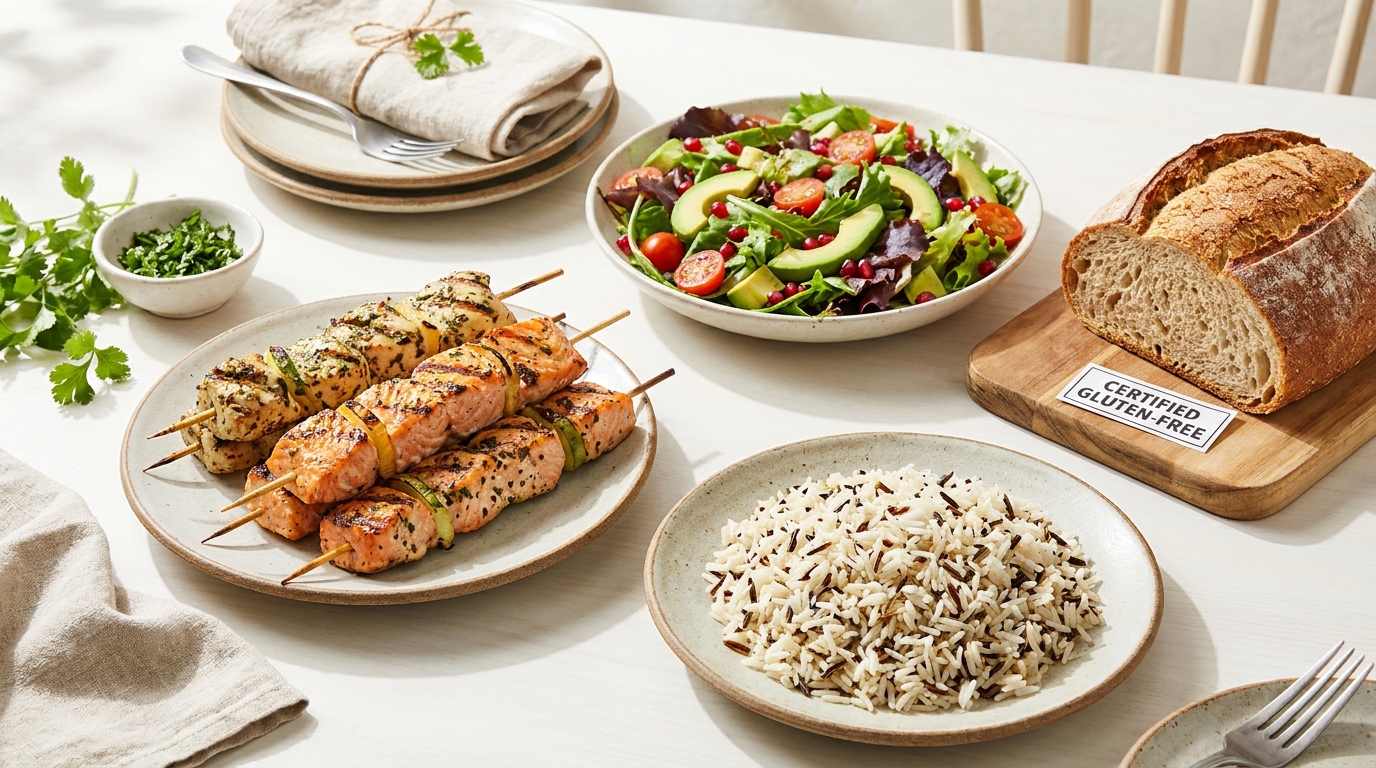
For celiac guests, gluten-free is a safety issue, not a preference. Here's how to design a gluten-free menu that's genuinely safe, clearly labeled, and profitable.
TL;DR — Key Takeaways
Gluten-free demand is real and medical, not a fad. About 1% of people have celiac disease (roughly 1 in 100) and another ~6% report non-celiac gluten sensitivity— together a meaningful share of every dining room.
For a celiac guest, cross-contamination is the whole game. A naturally gluten-free dish cooked in shared fryer oil or on a floured surface is no longer safe — and the consequences are medical, not culinary.
Honest labeling protects guests and you. Distinguish a dish that is gluten-free from one that's a "gluten-free option" or "prepared in a kitchen that handles wheat." Precision builds trust; vagueness creates risk.
Gluten-free can be profitable, not a cost center — most naturally gluten-free dishes need no special ingredients, and gluten-free guests are loyal, vocal, and bring the whole table.
How many guests actually need gluten-free?
Before investing in gluten-free menu design, it's worth knowing how many guests it serves — and the answer is more than most operators assume. Celiac disease affects roughly1% of the population (about 1 in 100; global estimates run near 1.4% by blood test and 0.7% by biopsy, around 0.8% across Europe). On top of that, an estimated6% of adults experience non-celiac gluten sensitivity, with studies ranging from 1% to 13%.
Two things make the real number even larger in practice. First, an estimated83% of people with celiac disease are undiagnosed or misdiagnosed— so many guests are managing symptoms without a label. Second, gluten-avoiders dine in groups, and like every special-diet guest, they often choose the restaurant for the table. One safe, clearly-marked gluten-free section can win a booking of six. (See the special-diet menu pillar for how this table-capture effect works across diets.)
Celiac vs. sensitivity: what does each guest actually need?
These two groups have different needs, and good design serves both without confusing them.
Celiac disease is an autoimmune condition: even trace gluten triggers real intestinal damage. These guests need certainty and zero cross-contamination."Probably fine" is not acceptable; they will (and should) ask how a dish is prepared.
Non-celiac gluten sensitivity causes discomfort rather than autoimmune damage. These guests benefit from gluten-free options but are generally less exposed to trace-level cross-contamination.
Because you usually can't know which guest you're serving, design to the celiac standard and you safely cover everyone. The organizations that guide patients — for example Beyond Celiac— emphasize exactly this: a restaurant that takes cross-contamination seriously is the one celiac diners trust and return to.
How do you prevent cross-contamination?
This is where gluten-free menu design lives or dies. The dish on the page matters less than the path it takes through your kitchen. Core protocols:
Dedicated fryer oil. Frying gluten-free food in oil that has cooked breaded items is the most common hidden failure.
Separate prep surfaces and tools. A clean board, knife, and prep space; no shared colanders; control airborne flour.
Toasters, grills, and pasta water. Use dedicated toasting, a cleaned grill section, and fresh water for gluten-free pasta.
Ingredient vigilance. Gluten hides in soy sauce, marinades, dressings, stocks, thickeners, and dusted fries.
Staff training. Every cook and server must understand what cross-contamination is and how to prevent it.
If you can't guarantee a contamination-free path, the honest move is to label it accordingly. This same rigor underpins broader allergen safety — see our allergen compliance guide.
How should you label gluten-free dishes?
"Gluten-free"— the dish is gluten-free and prepared to avoid cross-contamination.
"Gluten-free option available"— the dish can be made gluten-free on request.
Cross-contamination disclosure— "prepared in a kitchen that handles wheat" tells celiac guests to weigh the risk.
Pair the wording with a consistent crossed-wheat icon. The full system is covered in Dietary Labels & Filters.
Where Intermenu fits: structured tags let you mark "is gluten-free" versus "option available" precisely, and surface the cross-contamination note to guests who filter for it.
How do you design profitable gluten-free dishes?
Start from naturally gluten-free dishes. Grilled proteins, rice and corn-based dishes, most salads, and many global cuisines are gluten-free by nature. (Plenty also serve vegan and vegetarian guests — see plant-based menu ideas.)
Stock one or two strategic swaps. A gluten-free bun, gluten-free pasta, or tamari instead of soy sauce can convert several dishes.
Don't discount the diet. Gluten-free guests expect to pay normal prices for a safe meal.
Capture the loyalty. Celiac and gluten-sensitive diners are famously loyal to places that treat them well.
Why do digital filters beat printed gluten-free menus?
A printed menu forces a bad trade-off. A digital menu removes it: the guest taps "gluten-free" and sees only the dishes that qualify, with the "is" versus "option available" distinction intact. With Intermenu, gluten-free status is structured data, so it filters accurately and translates correctly. For the broader rationale, see the pillar guide.
Where does gluten hide on a menu?
Sauces and gravies thickened with flour.
Soy sauce— standard soy sauce contains wheat; use tamari.
Marinades and dressings with soy sauce, malt vinegar, or beer.
Stocks and bouillon— many contain wheat.
Fried foods— shared fryer oil and dusted items.
Processed proteins— sausages, meatballs, crab sticks.
Malt— malt vinegar, malted drinks, some cereals.
Keep a written list of which dishes are naturally gluten-free, which can be made so, and which can't.
Frequently Asked Questions
What is good gluten-free menu design?
Building the menu around naturally gluten-free dishes, enforcing strict cross-contamination protocols, labeling honestly, and letting guests filter to safe dishes on a digital menu.
How many restaurant guests need gluten-free food?
Roughly 1% have celiac disease and about 6% report gluten sensitivity — and many celiacs are undiagnosed.
How do I prevent gluten cross-contamination?
Dedicated fryer oil, separate prep surfaces and utensils, airborne-flour control, hidden-gluten vigilance, and staff training.
Earn the Trust of Every Gluten-Free Guest
Gluten-free guests reward restaurants they can trust with loyalty and word of mouth. The key is accurate labeling and a menu that shows each guest exactly what's safe.
Intermenu stores gluten-free status as structured data and translates it accurately — so every guest can filter to a meal they can trust.
See how Intermenu makes gluten-free dining safe and simple →