
Building a Kosher Menu: Rules, Labeling & Guest Trust
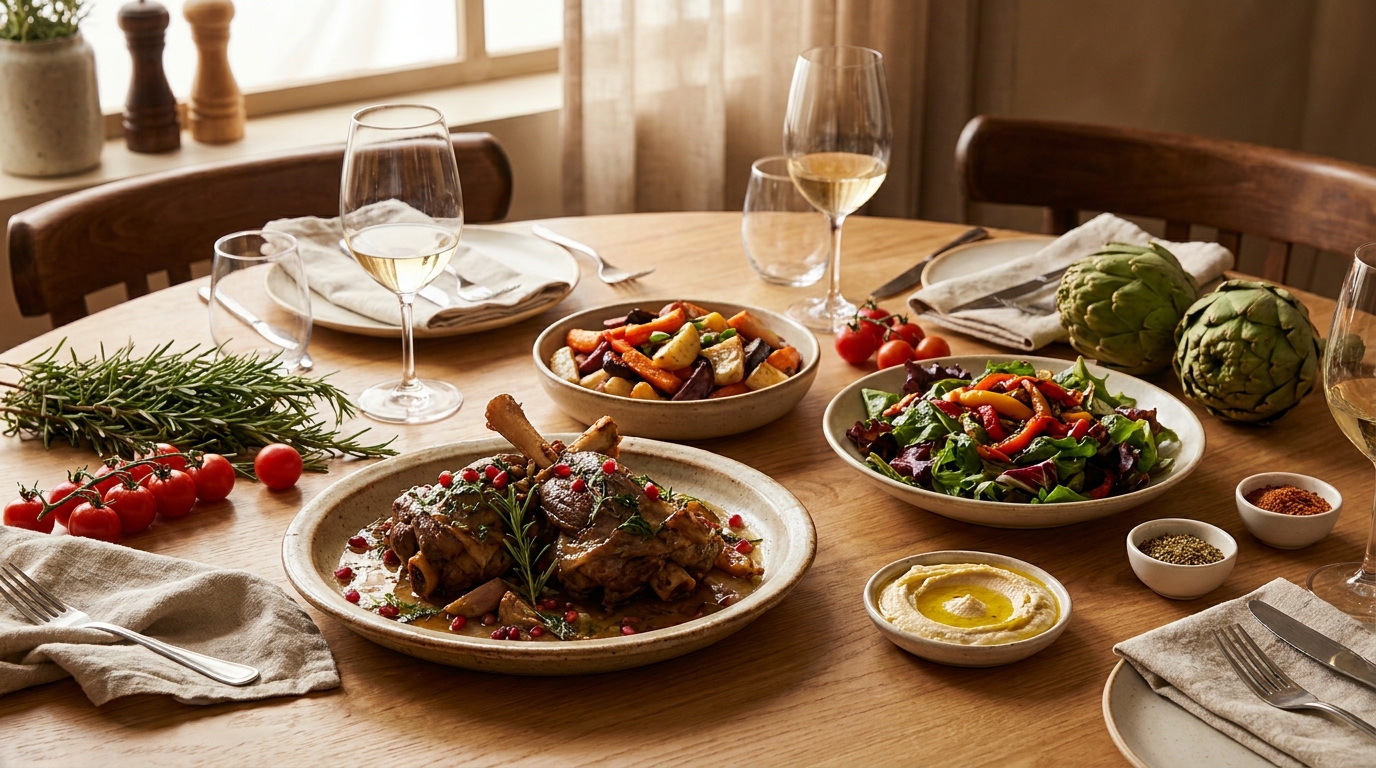
A kosher menu is built on one core rule: separation. Here's what meat, dairy and pareve mean for your kitchen, when you need certification, and how to signal trust.
TL;DR — Key Takeaways
A kosher menu follows kashrut (Jewish dietary law). Foods fall into three categories —meat, dairy, and pareve (neutral) — and the central rule is that meat and dairy are never mixed, cooked together, or even served together.
True kosher status usually requires certification (a hechsher) from a recognized agency that supervises ingredients, equipment, and process. Without it, you can offer "kosher-style" dishes — but you must say so honestly.
Pareve foods — fish, eggs, fruit, vegetables, grains — are your most flexible foundation, because they pair with either a meat or dairy menu and serve other diets at the same time.
With observant guests, trust is the entire product. Clear labeling, accurate claims, and visible certification matter more than menu breadth.
What makes a menu kosher?
If you're building a kosher menu, start with the framework that organizes everything: the three food categories. Per agencies like OU Kosher and OK Kosher, all food is classified as:
Meat (fleishig)— meat and poultry from permitted animals (those that chew cud and have split hooves; no pork), slaughtered by kosher method (shechita), plus their byproducts like bones, broth, and gravy.
Dairy (milchig)— milk, butter, yogurt, and all cheeses.
Pareve— anything that is neither meat nor dairy: fish, eggs, fruit, vegetables, grains, legumes. Pareve foods are neutral and can be eaten with either category —unless they're processed or cooked with meat or dairy, which can change their status.
Beyond the categories, kashrut also excludes certain animals outright (pork and shellfish are the best-known) and requires that permitted meat be properly slaughtered and prepared. The menu implications flow from these rules rather than from any particular cuisine.
Why is separation the core rule?
If you remember one thing about kosher menu design, make it this: meat and dairy must be kept completely separate. They may not be cooked together, served on the same table, or eaten together — and a fully kosher kitchen maintains separate sets of dishes, utensils, cookware, and prep areas for meat and for dairy.
This is why most kosher restaurants choose to be either a meat establishment or a dairy establishment, rather than both. A meat restaurant builds around meat and pareve dishes (no cheese on the burger, no cream sauces); a dairy restaurant builds around dairy and pareve dishes (fish, pasta, salads, no meat). Trying to do both under one roof requires two fully segregated kitchens — rarely practical.
Pareve is the bridge that makes either model work, which is why it's the most valuable part of your menu.
Do you need kosher certification (a hechsher)?
For a restaurant claiming to be kosher, yes — observant guests rely on certification, not your word. A hechsher is the certification mark of a recognized kosher authority that supervises your sourcing, equipment, and preparation and licenses you to display its symbol. On packaged goods these symbols also carry letters:"D" for dairy, "M" for meat, and "Pareve"(or no letter) for neutral.
The decision tree is similar to halal:
If you market the restaurant as kosher, certification is effectively required, and seriously observant guests will look for the specific certifying agency they trust.
If you offer kosher-style dishes within a non-kosher restaurant, you cannot honestly call them "kosher" — but you can describe them accurately (see below).
Certification is a commitment of process and cost, so decide deliberately. Many restaurants in mixed markets succeed with honest "kosher-style" positioning rather than full certification. Because kosher and halal guests ask overlapping questions about sourcing and separation, our halal menu guide is a useful companion read.
How should you structure a kosher menu?
Once you've chosen meat or dairy as your base, structure follows naturally:
Anchor on pareve. Fish, vegetable, grain, and egg dishes are your most flexible offerings — they fit your chosen category and also serve vegetarian, and often vegan and gluten-free, guests. (See the special-diet pillar for how one dish serves several diets.)
For a meat establishment: build grilled and roasted mains, deli-style dishes, and rich pareve sides; skip dairy desserts in favor of pareve ones (sorbets, fruit, pareve pastries).
For a dairy establishment: lean into fish, pasta, shakshuka, salads, cheese dishes, and dairy desserts; no meat.
Mind pareve status in the kitchen. A pareve ingredient cooked on dairy equipment may lose its neutral status — process matters as much as the ingredient.
How do you label and signal trust to observant guests?
With observant diners, labeling is the product, because they're making a religious commitment based on your menu. Signal clearly:
Display your certification— the certifying agency and its symbol, prominently. This is the first thing observant guests look for.
Mark categories— indicate meat, dairy, or pareve so guests can plan a meal within the rules (for instance, choosing a pareve dessert after a meat main).
Be explicit about scope— if only part of your operation is certified, say exactly what is.
A consistent labeling system makes this skimmable; see Dietary Labels & Filters for icons and wording, and note that observant Jewish travelers are part of the broader international-guest opportunity covered in our guide to attracting international tourists.
Where Intermenu fits: category tags (meat / dairy / pareve) and certification details can be attached to each dish and surfaced in the guest's language, so observant diners — including travelers — can navigate your menu confidently.
"Kosher-style" vs. certified: how do you stay honest?
This distinction protects both your guests and your reputation."Kosher-style"typically means food that evokes kosher/Jewish cuisine or avoids obvious non-kosher ingredients (like pork or shellfish) without full certification or strict meat-dairy separation. It is a legitimate positioning —as long as you never imply it's certified.
The honesty rules:
Don't use the word "kosher" without qualification if you're not certified.
Don't display certification symbols you don't hold.
Do describe accurately: "kosher-style deli," "no pork or shellfish," "made without mixing meat and dairy."
Observant guests respect transparency and remember dishonesty. Being clear about what you are — certified, kosher-style, or simply pork-free — earns more trust than a vague claim ever will.
A kosher-menu launch checklist
Whether you're going certified or kosher-style, work through these before the menu goes live:
Choose your category— decide whether you're a meat or a dairy establishment (rarely both).
Source permitted, properly-certified ingredients for that category, and keep the documentation.
Separate meat and dairy completely — dishes, utensils, cookware, prep areas, and storage.
Anchor on pareve dishes (fish, eggs, produce, grains) for flexibility and to serve other diets at once.
Decide on certification— pursue a hechsher if you'll market as kosher; otherwise position honestly as kosher-style.
Protect pareve status— confirm it isn't lost through processing on meat or dairy equipment.
Display your certification and category labels prominently.
Train staff to answer sourcing and separation questions accurately and consistently.
Done in order, this turns the complexity of kashrut into a clear, repeatable operation your guests can trust.
Frequently Asked Questions
What makes a menu kosher?
It follows kashrut: foods are categorized as meat, dairy, or pareve (neutral); meat and dairy are never mixed or served together; only permitted, properly-slaughtered animals are used (no pork or shellfish); and true kosher status is supervised by certification.
Why must meat and dairy be separated?
Kashrut prohibits cooking, serving, or eating meat and dairy together, and requires separate dishes, utensils, and prep areas. That's why most kosher restaurants are either a meat establishment or a dairy establishment, bridged by pareve dishes.
What does pareve mean?
Pareve foods — fish, eggs, fruit, vegetables, grains — are neither meat nor dairy and can be served with either, making them the most flexible part of a kosher menu (though they can lose pareve status if processed with meat or dairy).
Do I need certification to call my restaurant kosher?
Yes. Observant guests rely on a hechsher from a recognized agency, not self-description. Without certification you may offer "kosher-style" dishes but must not call them certified kosher.
What's the difference between kosher and kosher-style?
Kosher means certified and fully compliant with kashrut, including meat-dairy separation. Kosher-style evokes the cuisine or avoids obvious non-kosher items without certification — acceptable only if you state clearly that it isn't certified.
Build Guest Trust Into Every Dish
With observant guests, a clear, accurate kosher menu is worth more than a long one. Certification details, category tags, and honest labeling are what earn — and keep — their trust.
Intermenu lets you tag dishes as meat, dairy, or pareve, attach certification details, and present them accurately in every guest's language — so observant diners and travelers can navigate your menu with confidence.
See how Intermenu helps you present a kosher menu clearly →