
Vegan & Plant-Based Menu Ideas That Actually Sell
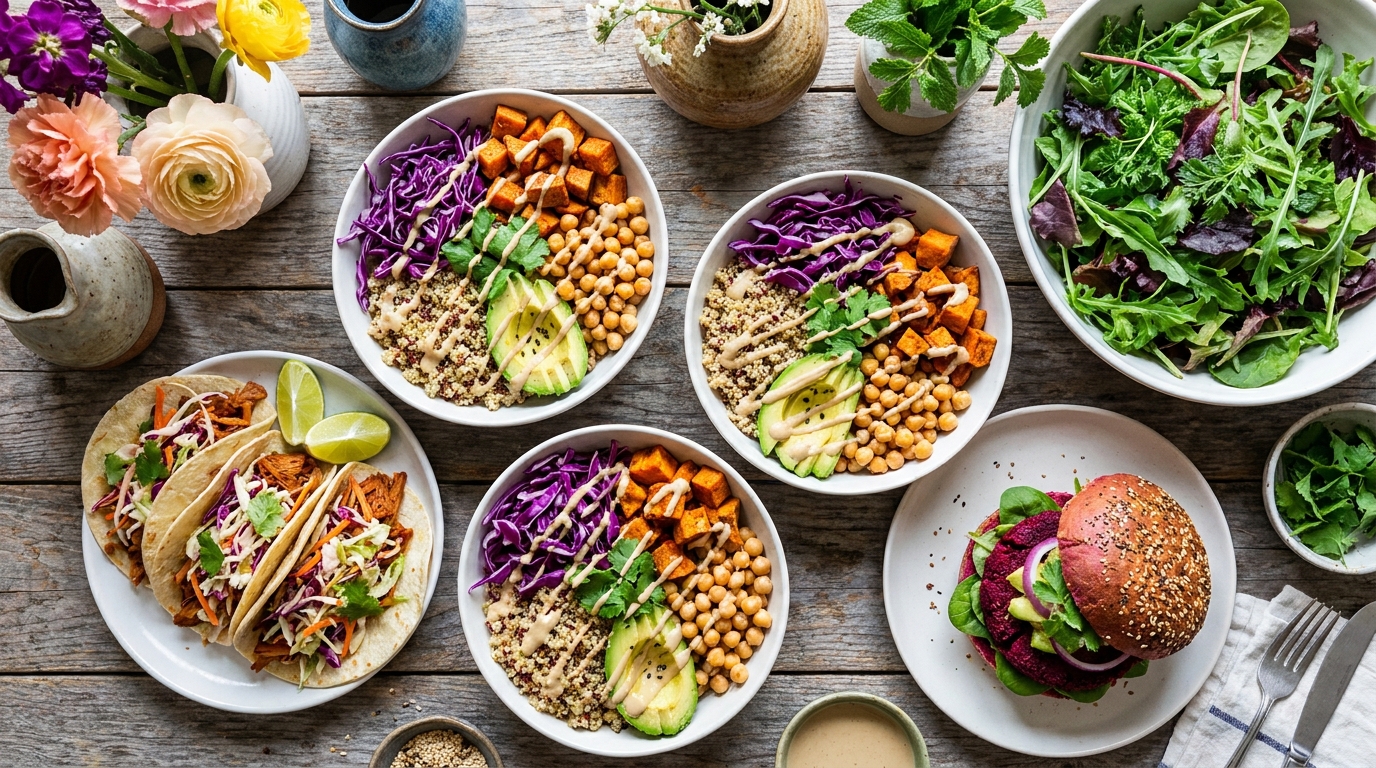
Most plant-based orders don't come from vegans. Here are vegan restaurant menu ideas — and a labeling trick — that win the much larger flexitarian crowd.
TL;DR — Key Takeaways
Most plant-based orders come from flexitarians, not vegans. Around 37% of US adults identify as flexitarian and 25% eat vegan meals at least sometimes, versus roughly 3% who are fully vegan — so design for the crowd that sometimes chooses plant-based.
Demand is climbing fast: North American plant-based foodservice was worth about $9.87 billion in 2024 and is forecast to nearly triple by 2033; UK quick-service plant-based orders jumped 56% in a single year.
The single highest-leverage trick is labeling: dishes described as "plant-based" or by their ingredients outsell identical dishes labeled "vegan" or "meat-free," which can read as a compromise to non-vegans.
Photography sells plant-based dishes harder than almost any other category because the food is unfamiliar — a great image removes the guest's doubt and lifts orders.
Who actually orders vegan?
If you design your vegan restaurant menu ideas for committed vegans, you're optimizing for the smallest slice of the opportunity. The real money is in the flexitarians.
The numbers: only about3% of US adults are fully vegan, but25% eat vegan meals at least sometimes when dining out, and roughly37% identify as flexitarian— actively reducing meat without giving it up. In Europe that flexitarian figure sits around 27%, and in the UK nearly half of consumers say they're cutting back on meat. Diners aged 18–34 are the most likely to order a plant-based dish.
This reframes everything. A flexitarian isn't looking for "vegan food" — they're looking for a dish that happens to be plant-based and looks genuinely delicious. They'll order the smoky mushroom taco or the crispy cauliflower bowl not out of principle but out of appetite. Your job isn't to satisfy a dietary rule; it's to make the plant-based option the most tempting thing in its section. (For the full picture of how dietary segments size up, see the special-diet menu pillar.)
What plant-based dishes sell best?
Winning plant-based dishes share a trait: they're crave-worthy in their own right, not a meat dish with the protein removed. Strong categories:
Hearty grain and veg bowls— a roasted-vegetable, grain, and plant-protein bowl with a punchy sauce is naturally vegan, often gluten-free, photographs beautifully, and runs from one prep station.
Plant-based versions of familiar favorites— burgers (with a branded patty like Beyond or Impossible, or a house bean/lentil patty), tacos, curries, and stir-fries let flexitarians try plant-based without leaving their comfort zone.
Globally-inspired naturally-vegan dishes— chickpea and spinach curry, falafel and mezze, dan dan–style noodles, or stuffed peppers with quinoa and beans. Many cuisines are rich in plant-based classics that need no "veganizing." (Our world cuisines guide is a good source of ideas.)
A genuinely good dessert— a plant-based dessert that doesn't feel like a consolation prize signals that you take the whole menu seriously.
Aim for at least one standout in each major course so a plant-based guest — and the flexitarian at the same table — has a real meal, not a side salad.
Why should you label it "plant-based," not "vegan"?
This is the cheapest order-lifting change you can make. Research from the plant-based sector (including the Good Food Institute) consistently finds that how you label a dish changes how often it's ordered— and the word "vegan" can suppress orders among the non-vegan majority, who read it as restrictive or worthy rather than delicious.
What works better:
Describe the food, not the diet."Smoky black bean & sweet potato bowl" beats "vegan bowl."
Use "plant-based" or "plant protein"where you need a category word — it tests better than "vegan," "meatless," or "meat-free," which frame the dish around what's missing.
Lead with flavor and texture— "crispy," "smoky," "charred," "creamy" — the same descriptive language that lifts any dish.
Still tag it clearly for those who need certainty. Vegans must be able to confirm a dish is vegan — so keep an unobtrusive icon or filter even while the menu copy leads with craveability.
The combination — appetizing description for everyone, clear tag for those who need it — is exactly what a digital menu does well. See Dietary Labels & Filters for the full system, and pair it with menu engineering principles to position these dishes where eyes land first.
How much does photography lift plant-based orders?
More than almost any other category. Menu photos lift orders by roughly 25–30% on average, and the effect is strongest precisely where the dish is unfamiliar — which describes most plant-based items for most guests. A flexitarian who can't quite picture "jackfruit tinga" will skip it; show a great photo and the doubt disappears.
Two practical implications:
Photograph your plant-based dishes first. They have the most to gain from visual reassurance.
Make them look abundant and craveable— color, texture, garnish. Plant-based food can look spectacular, and a flat, brown photo does more harm than no photo.
The historical barrier was cost: a photo shoot covered only a handful of dishes. That constraint is gone — AI food photography produces brand-consistent images of every dish at near-zero marginal cost. With Intermenu's image tools you can give every plant-based dish a mouth-watering photo, which is exactly where the conversion lift concentrates. Our AI food photography playbook covers the how.
How do you price and cross-utilize plant-based dishes?
Plant-based dishes can carry excellent margins, but only if you design for it.
Cross-utilize ingredients. The same roasted vegetables, grains, beans, and sauces should appear across several dishes — bowl, taco, wrap, side. Cross-utilization means you buy in volume, cut waste, and add menu variety without adding SKUs. (This is core menu engineering.)
Don't underprice them. Operators sometimes treat plant-based dishes as "cheap" because the inputs cost less, then price them low and train guests to see them as lesser. A beautifully composed plant-based bowl can command the same price as a meat main; the value is in the craft, not the cost of goods.
Mind the branded-patty math. Premium meat-alternative patties (Beyond, Impossible) cost more than the beef they replace — price those dishes accordingly rather than absorbing the gap.
How do you market plant-based without alienating regulars?
The fear that adding plant-based options will signal "this isn't a place for meat-eaters anymore" is the main reason operators hold back. The fix is positioning, not portion:
Integrate, don't segregate. Put plant-based dishes in their natural sections (mains, tacos, bowls) with an icon, rather than walling them off in a "vegan menu" that meat-eaters skip — and that vegans find tokenizing.
Lead with the food. As above, market the dish by its flavor; the plant-based credential is a tag, not the headline.
Tell the flexitarian story. Most of your guests are reducing meat, not eliminating it. Framing plant-based as "delicious meals that happen to be plant-based" speaks to them without preaching.
Done this way, plant-based dishes widen your appeal — they capture vegans, satisfy the flexitarian majority, and lose you no one. For the closely-related vegetarian play (which serves an even larger group), see Vegetarian Menu Strategy.
What vegan menu mistakes should you avoid?
A few avoidable errors quietly suppress plant-based orders:
The afterthought dish. A single "veggie option" of plain pasta signals you don't take plant-based seriously. Offer a standout in each course.
Hidden animal products. Butter, fish sauce, honey, gelatin, parmesan (animal rennet), and dairy in bread or batter sneak into supposedly-vegan dishes. Audit every component.
Leading with "vegan" in the copy. As covered above, flavor-forward names outsell diet labels — keep the tag, change the headline.
No real protein. A bowl of vegetables isn't a meal. Include tofu, tempeh, legumes, or a quality plant patty so the dish satisfies.
Flat photography. Plant-based food has the most to gain from a great image and the most to lose from a dull one.
Walling it off. A separate "vegan menu" gets skipped by flexitarians — integrate dishes into normal sections with a clear tag.
Frequently Asked Questions
What are the best vegan restaurant menu ideas?
Crave-worthy dishes that stand on their own: hearty grain-and-veg bowls, plant-based versions of familiar favorites (burgers, tacos, curries), naturally-vegan global dishes (falafel, chickpea curry), and a genuinely good plant-based dessert. Aim for one standout per course.
Should I label dishes "vegan" or "plant-based"?
Lead with "plant-based" or a flavor-forward description — "vegan" and "meat-free" can suppress orders among the non-vegan majority. Keep a clear vegan tag or filter for guests who need certainty.
Who orders plant-based dishes?
Mostly flexitarians, not vegans — around 37% of US adults are flexitarian and 25% eat vegan meals at least sometimes, versus ~3% fully vegan. Design for the larger "sometimes plant-based" crowd.
Does photography really help plant-based dishes sell?
Yes — photos lift orders ~25–30% on average, and the effect is largest for unfamiliar dishes, which most plant-based items are. Photograph your plant-based dishes first.
Will adding vegan options put off meat-eaters?
Not if you integrate them into normal menu sections and market them by flavor rather than by diet. Most guests are reducing meat, not avoiding plant-based dishes — framed well, these options widen your appeal.
Make Every Plant-Based Dish Look Irresistible
The best vegan menu ideas win flexitarians on appetite — which means great descriptions, clear tags, and photos that remove all doubt.
Intermenu lets you tag plant-based and vegan dishes, generate brand-consistent photos for every item, and present a filtered, multilingual menu — so the plant-based option is the most tempting thing on the page.
See how Intermenu makes plant-based dishes sell →