
How to Write Menu Descriptions That Sell
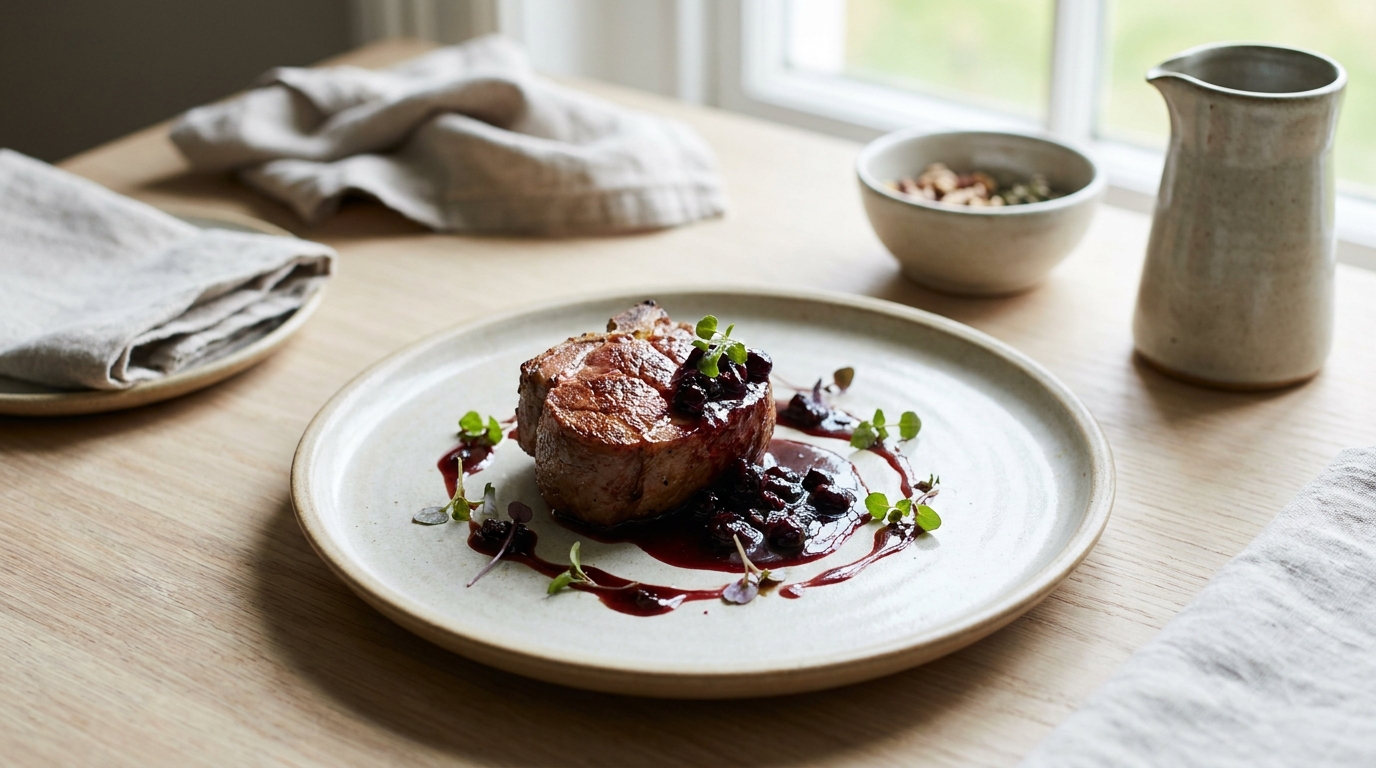
A dish name tells a guest what something is. A description makes them want it. Most menus waste this — either no description at all, or a vague line that adds nothing. Written well, one specific sentence can move a dish from "skipped" to "ordered," and it reads better in every language you translate into. Here is the formula I use and the words that actually work.
TL;DR — Key Takeaways
One specific sentence beats a paragraph. Name the origin, the hero ingredient, or the method — not all three, just the one that matters.
Sensory and concrete words sell:"creamy," "charred," "slow-cooked," "house-made." Vague adjectives ("delicious," "tasty") do nothing.
Lead with what is unfamiliar. Dishes guests do not recognize need a description most; obvious ones can go short.
Write for translation. Concrete copy translates cleanly; vague or idiomatic copy turns to mush in another language.
Keep it honest. Describe what is on the plate. Overselling earns a disappointed guest and a sent-back dish.
Why descriptions are the cheapest sales lever you have
Every guest reads your menu, and the description is the last thing they see before deciding. It is free to change, instant to update on a digital menu, and it works around the clock without a server saying a word. Yet most menus leave it blank or fill it with filler. That gap is your opportunity.
A good description does three jobs at once: it removes uncertainty (so a guest orders confidently instead of defaulting to the safe choice), it justifies the price (provenance and method make €18 feel fair), and it sets the right expectation (so the plate matches the promise). Skip it and guests fall back on the name alone — which favors the familiar and leaves your interesting, higher-margin dishes unordered.
The description formula
You do not need to be a copywriter. Use this simple shape and fill in only the parts that genuinely apply:
[Method or texture] + [hero ingredient] + [origin, pairing, or detail].
Creamy burrata with Puglian olive oil and torn basil.
Slow-cooked lamb shoulder, charred onion, and pomegranate.
Charcoal-grilled chicken marinated overnight in garlic and lemon.
Notice what each does: one texture or method word, one ingredient that matters, one detail that adds credibility or appetite. That is the whole formula. Resist the urge to cram in three clauses — the line should be readable in one glance.
The words that work (and the ones that don't)
Concrete, sensory, and provenance words pull their weight because they create a picture and signal quality:
Texture and method: creamy, crispy, charred, smoked, slow-cooked, flame-grilled, hand-rolled, house-made.
Origin and provenance:"from a small dairy in Puglia," "locally sourced," "our own recipe," "marinated overnight."
Specific ingredients: name the cheese, the cut, the chili, the herb — specificity reads as care.
What to cut: empty hype like "delicious," "amazing," "world-famous," "mouth-watering." They tell the guest nothing and, worse, make confident copy sound like marketing. Let the concrete details do the persuading.
How long should a description be?
Short. One line — roughly 8 to 15 words — is the target for most dishes. Long enough to add the detail that sells, short enough to scan on a phone. Save the longer story for the few dishes that genuinely have one: a signature with real provenance, a chef's special, a dish with an unusual technique worth a sentence more.
Not every item needs a description at all. A "Coca-Cola" or "Side Fries" can stand on its name. Spend your effort where it converts: signatures, high-margin plates, and anything with a name a guest would not instantly understand.
Use AI to draft, then make it yours
Staring at a blank field for ninety dishes is its own kind of stall. A good menu platform can draft a description from the dish's name and details to get you started — a useful first pass, especially across a big menu. Treat it like a line cook's prep: it saves you the blank page, but you season it. Trim it to one honest sentence, swap in the real provenance, and make sure it matches what actually leaves your pass. The judgment stays yours; the typing does not have to.
Write once, sell in every language
Here is a benefit operators miss: well-written descriptions translate better. A concrete sentence — "charcoal-grilled chicken, garlic, lemon" — maps cleanly into German, Arabic, or French. A vague or idiomatic one — "a flavor explosion you won't forget" — turns into nonsense or worse in another language. If you serve international guests, writing tight, literal descriptions now makes your multilingual menu read like a native wrote it.
Before and after
Before: Burrata — tomato and cheese salad.
After: Burrata — creamy and milky, with Puglian olive oil, torn basil, and grilled focaccia.
Before: Mixed grill.
After: Mixed Grill for two — lamb kofta, shish tavuk, and kebab over charred vegetables.
Before: Falafel plate.
After: Crispy house-made falafel with tahini, pickles, and warm flatbread.
Same dishes, same kitchen — but the second version of each tells the guest exactly what they are getting and why it is worth it. That is the difference between a name and a description.
How descriptions differ by menu section
Not every section needs the same kind of line:
Starters and small plates sell on craving and shareability — lead with texture and the standout ingredient. "Crispy halloumi, hot honey, and toasted sesame."
Mains carry the most price, so they earn the most detail — method, cut or origin, and what comes with it. "Slow-cooked lamb shoulder, charred onion, pomegranate, and saffron rice."
Sides stay short and functional, but a single word still helps. "Hand-cut rosemary fries" beats "fries."
Desserts sell on indulgence — be unashamedly sensory. "Warm pistachio baklava, clotted cream, and orange blossom."
Drinks usually stand on their name; describe only signatures and house specials, where a unique ingredient or provenance adds appeal.
Match the length to the price and the unfamiliarity of the dish: the more it costs and the less obvious it is, the more the words have to do.
A few more before-and-after lines
Before: Chicken wrap.
After: Charcoal-grilled chicken wrap with garlic sauce, pickles, and fries.
Before: Veggie bowl.
After: Roasted seasonal vegetables, herbed couscous, tahini, and toasted seeds.
Before: Greek salad.
After: Tomato, cucumber, olives, red onion, and feta with oregano and olive oil.
Before: Cheesecake.
After: Baked vanilla cheesecake with a biscuit base and berry compote.
Each rewrite does the same three things: names the method or texture, names the ingredient that matters, and adds one concrete detail — and none is longer than it needs to be.
List the ingredients, or tell the story?
For most dishes, listing the key ingredients is the description — concrete, scannable, and easy to translate. Save the "story" — a sentence of origin or history — for a true signature where it genuinely adds appeal, and keep it to one line. A menu of mini-essays slows guests down; a menu of crisp ingredient lines with the occasional story reads fast and still feels crafted. When in doubt, cut the adjective and keep the ingredient.
Why specificity beats hype
There is a reason "creamy burrata with Puglian olive oil" outsells "delicious burrata," and it is not subtle once you see it. Specific, concrete language creates a picture in the guest's mind, and a guest who can picture a dish is most of the way to ordering it. Hype words — delicious, amazing, world-famous — ask the guest to take your word for it, which is exactly what a skeptical diner will not do.
Concrete details do the opposite: they show rather than tell, and they signal that someone who cares made this. "Slow-cooked for eight hours," "from a small dairy," "marinated overnight" each carry an implicit promise of effort and quality that no adjective can. Specificity also builds trust, because it is checkable — a guest who reads "charcoal-grilled" and tastes char believes the next description too. Vague hype erodes that trust the moment the plate fails to live up to it. The practical takeaway: every time you are tempted to write "tasty" or "the best," delete it and name the thing that makes it so. Let the specifics persuade; they are far better at it than your adjectives.
Descriptions and price work together
A description does quiet work on how a price feels. The same €18 plate reads as expensive next to a bare name and as fair next to a line that explains the cut, the technique, and what comes with it. Guests do not judge price in a vacuum — they judge it against perceived value, and the description is where you build that value. This is why your highest-priced dishes deserve your best descriptions: the words are carrying the justification for the number.
It also means a thin description on an expensive dish is the worst combination, because the guest sees a high price with no reason for it and moves on. If a dish is underperforming and you suspect price, do not automatically discount it — first try giving it a description that earns the price. Often the number was never the problem; the silence around it was. Pair this with smart placement and honest pricing and the menu works as one system, where the words, the position, and the number all point the guest toward the same confident yes. Descriptions are one building block in the complete guide to creating a digital menu.
Common menu-description mistakes
No description on dishes that need one. Unfamiliar or high-margin items get skipped without a line to sell them.
Vague hype words."Delicious" and "world-famous" add length, not appetite.
Cramming in three ideas. One method, one ingredient, one detail — then stop.
Overpromising. If the plate cannot live up to the line, you have written a complaint, not a sale.
Idioms and wordplay that break the moment you translate the menu.
Write descriptions that sell with Intermenu
Intermenu gives every dish its own description field, can draft a first version from the item's details to beat the blank page, and carries your final copy into 15 languages — so a well-written line works for every guest who scans your menu. Pair it with photos and allergen tags and each item is doing its full job.
Build your digital menu free with Intermenu →
Frequently Asked Questions
How do I write a good menu description?
Use one specific sentence built from a method or texture word, the hero ingredient, and a detail like origin or pairing — for example, "creamy burrata with Puglian olive oil and torn basil." Keep it honest and around 8–15 words.
How long should a menu item description be?
About one line, 8–15 words, for most dishes. Reserve longer copy for a few signatures with a real story, and let simple items like drinks stand on their name alone.
What words make food sound appetizing?
Concrete texture and method words (creamy, charred, slow-cooked, house-made) and provenance details (where it is from, how it is made). Avoid empty hype like "delicious" or "world-famous," which add nothing.
Should every menu item have a description?
No. Prioritize signatures, high-margin plates, and dishes with unfamiliar names. Obvious items — a cola, a side of fries — can stand on the name.
Can AI write my menu descriptions?
It can draft them from the dish details, which beats a blank field across a large menu. Always edit the draft down to one honest, specific sentence that matches what your kitchen actually serves.