
Attract International Tourists to Restaurant: Proven Tactics
The food-tourism economy reached an inflection point in 2024 and has only grown since. The 2026 statistics that frame the opportunity:
Multilingual menus, AI food photography, hospitality, and food culture — by the team building Intermenu.
The food-tourism economy reached an inflection point in 2024 and has only grown since. The 2026 statistics that frame the opportunity:
The basic legal framework: a restaurant has a duty of care to its guests, which includes accurately disclosing the allergens present in the food it serves. A guest who suffers an allergic reaction caused by undisclosed or misdisclosed allergens has grounds for a civil suit against the restaurant.
A guest with a peanut allergy almost always remembers to ask about peanuts. The allergic reactions that send people to hospital usually come from the allergens they didn't think to ask about — because the kitchen didn't disclose them, and the dish didn't seem to contain them.
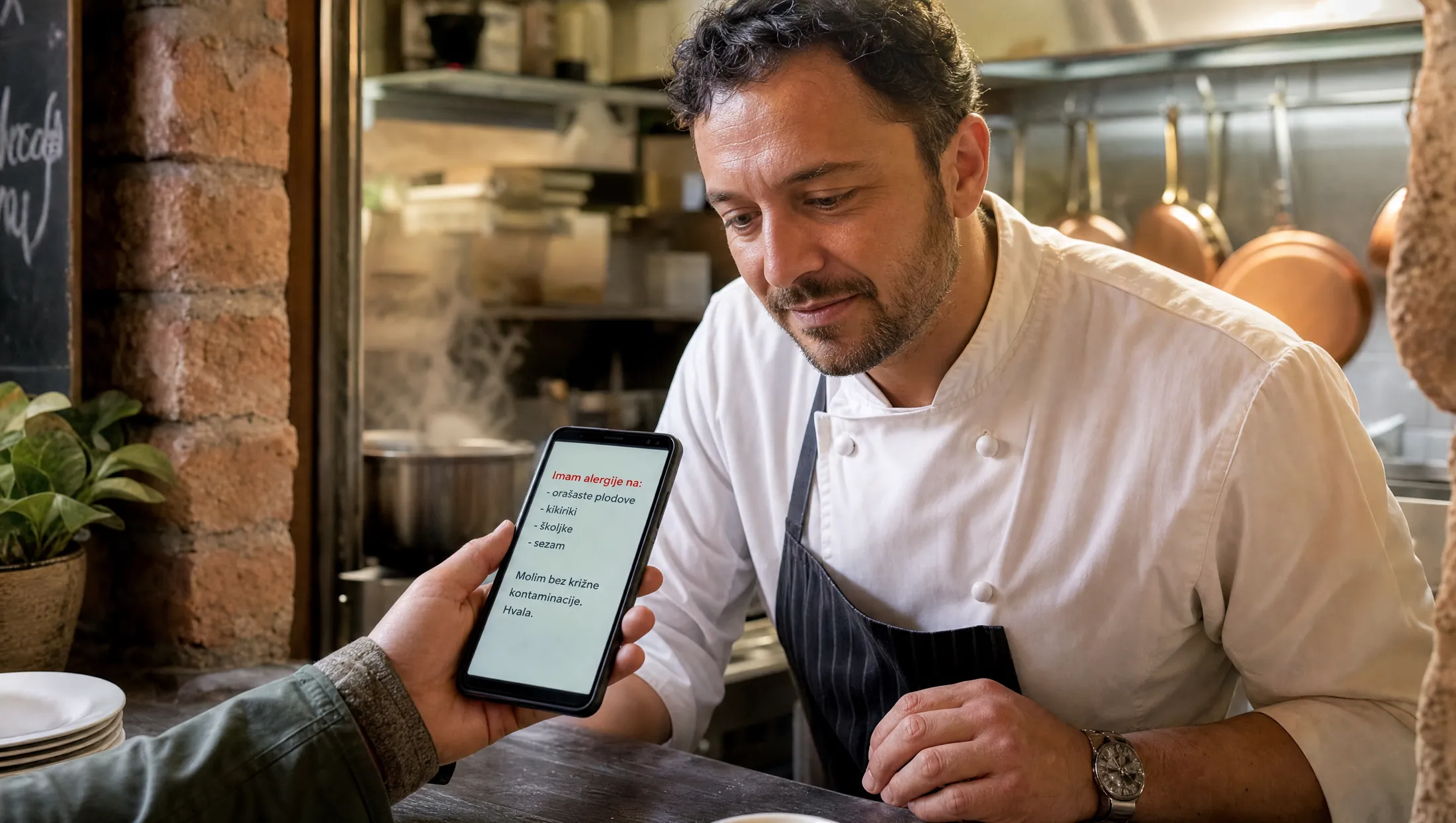
Traveling with severe food allergies has gotten meaningfully easier in 2026, but the experience varies enormously by country. Some destinations have strict allergen disclosure laws and well-trained restaurant staff; others operate on assumptions about cuisine that can be dangerous for an allergic guest.
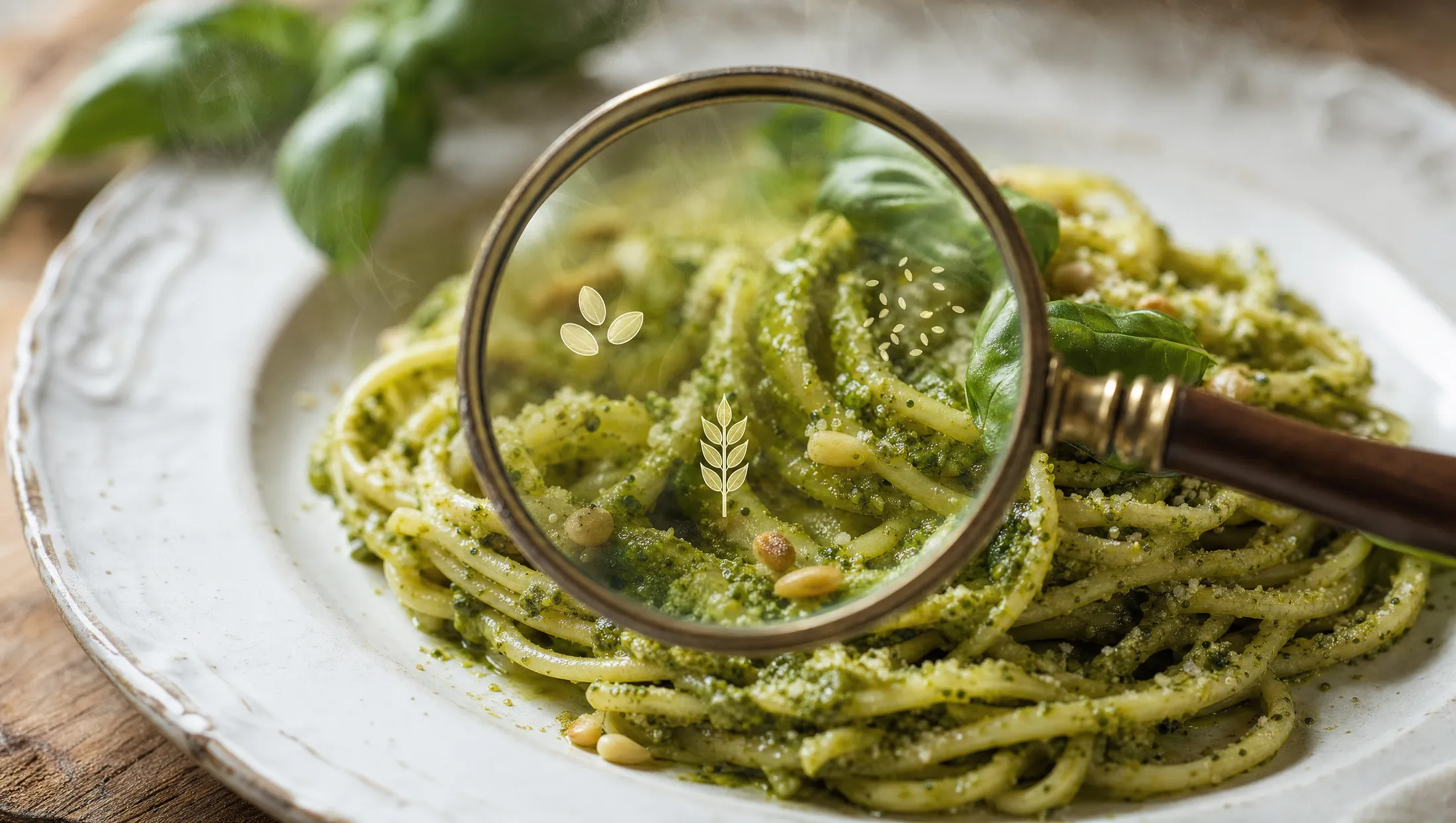
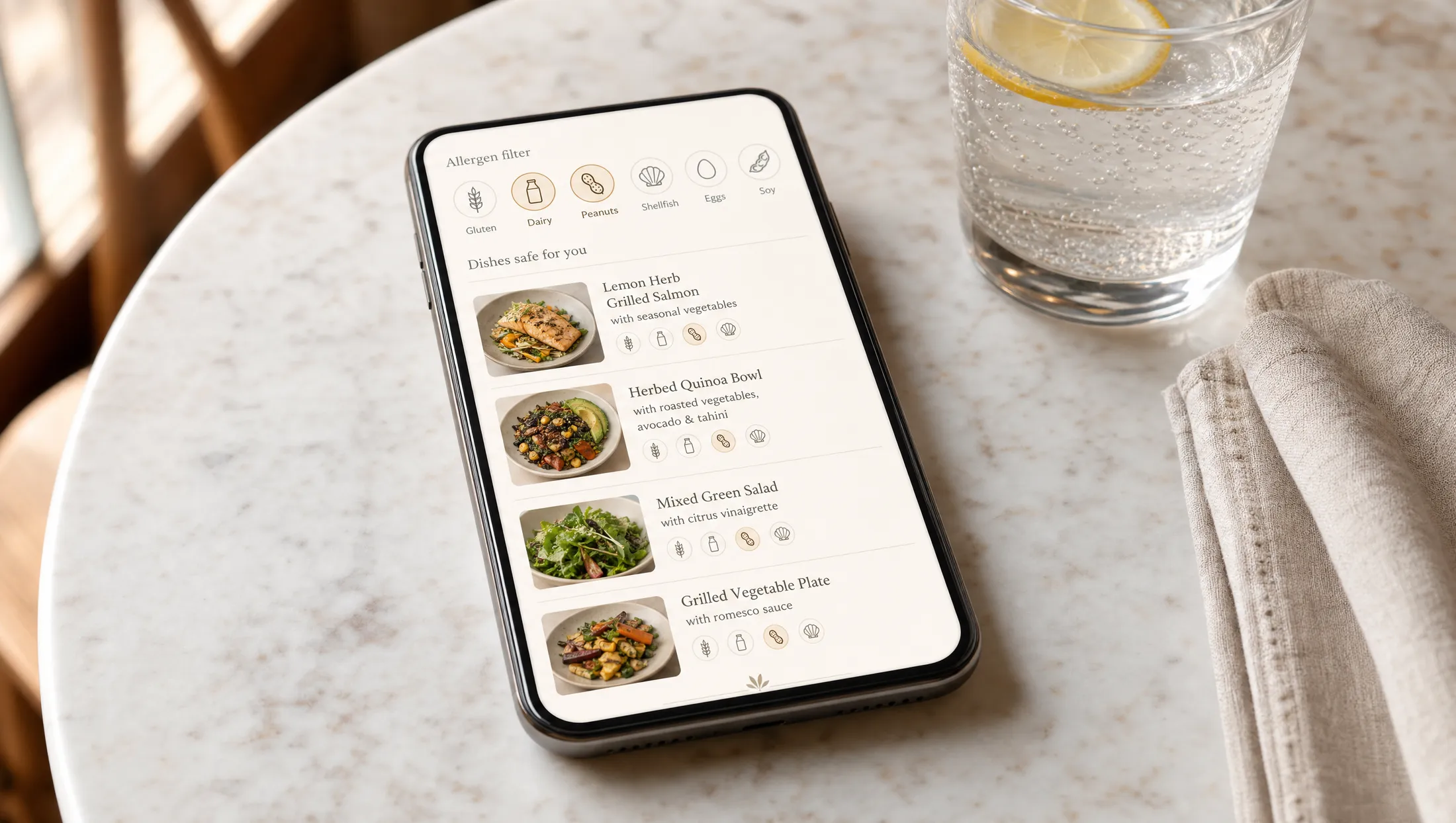
Should allergens be icons or text or both?
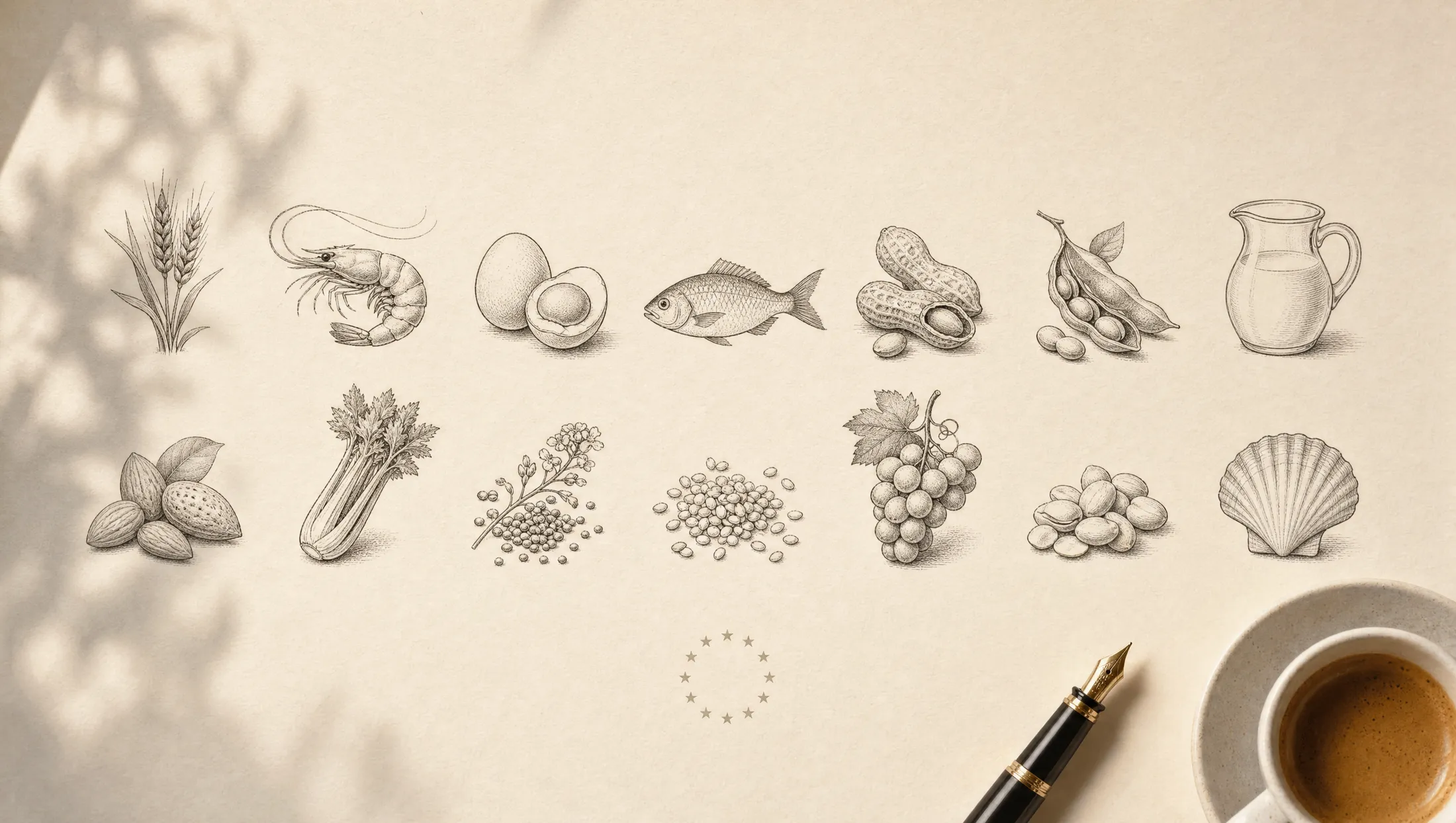
EU Regulation 1169/2011 — Regulation (EU) No 1169/2011 of the European Parliament and of the Council on the provision of food information to consumers (often shortened to "FIC") — is the foundational EU law on food labeling and information disclosure.
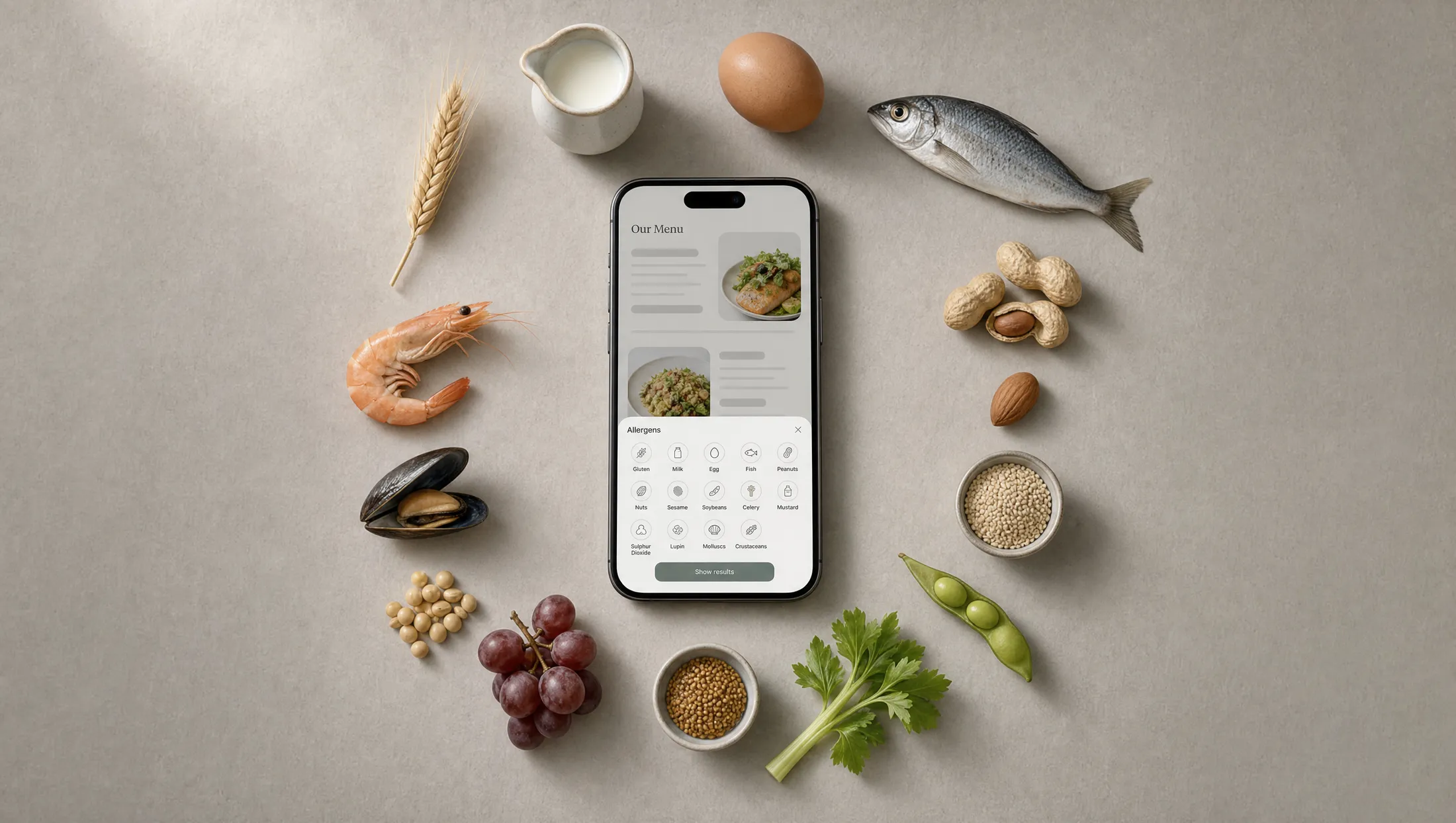
The required allergens vary by jurisdiction. The four most relevant frameworks for international tourist-area restaurants:
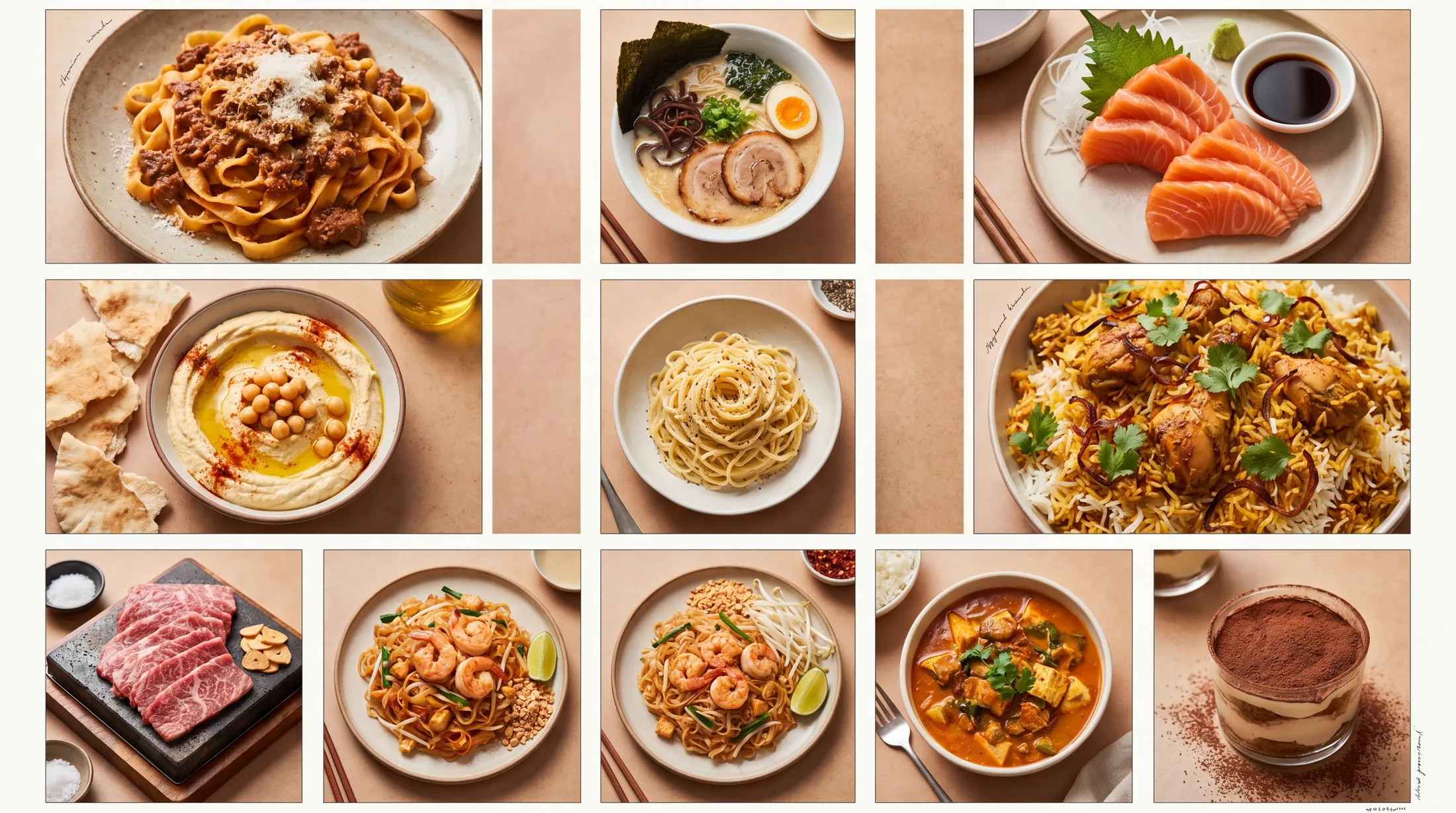
What makes a restaurant ad actually drive bookings?
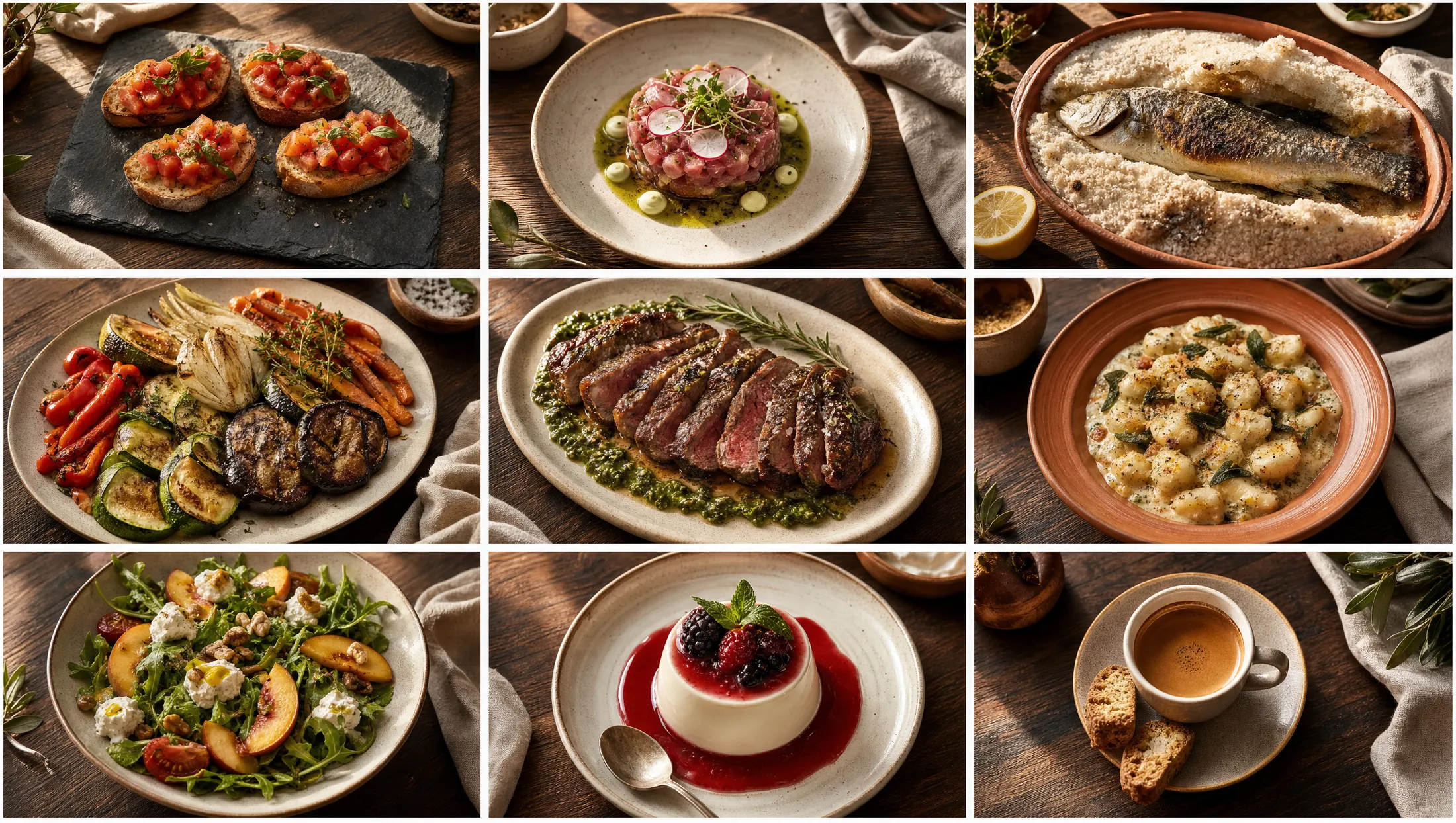
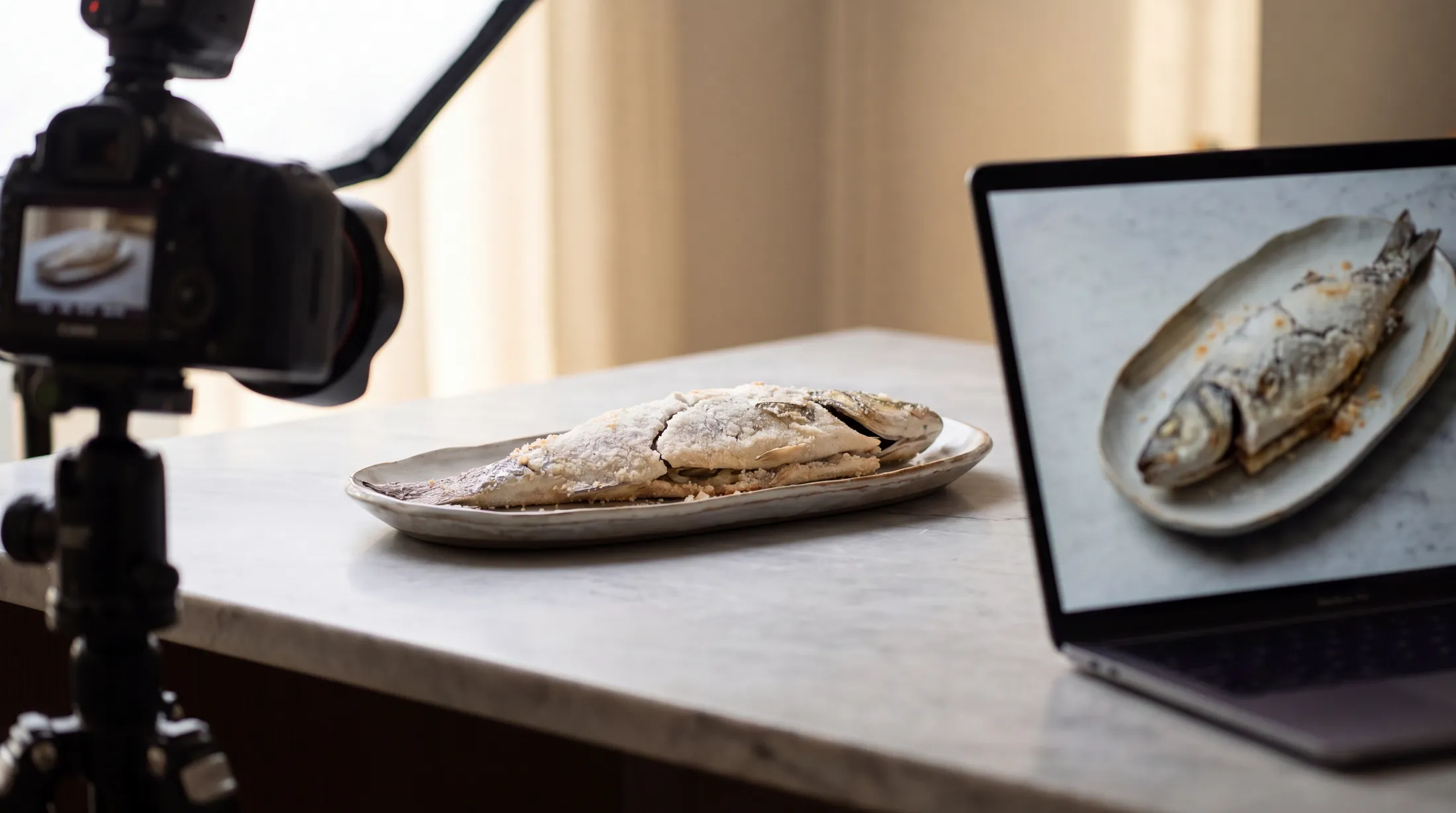
Five common causes, in descending order of frequency seen in real-world generations.
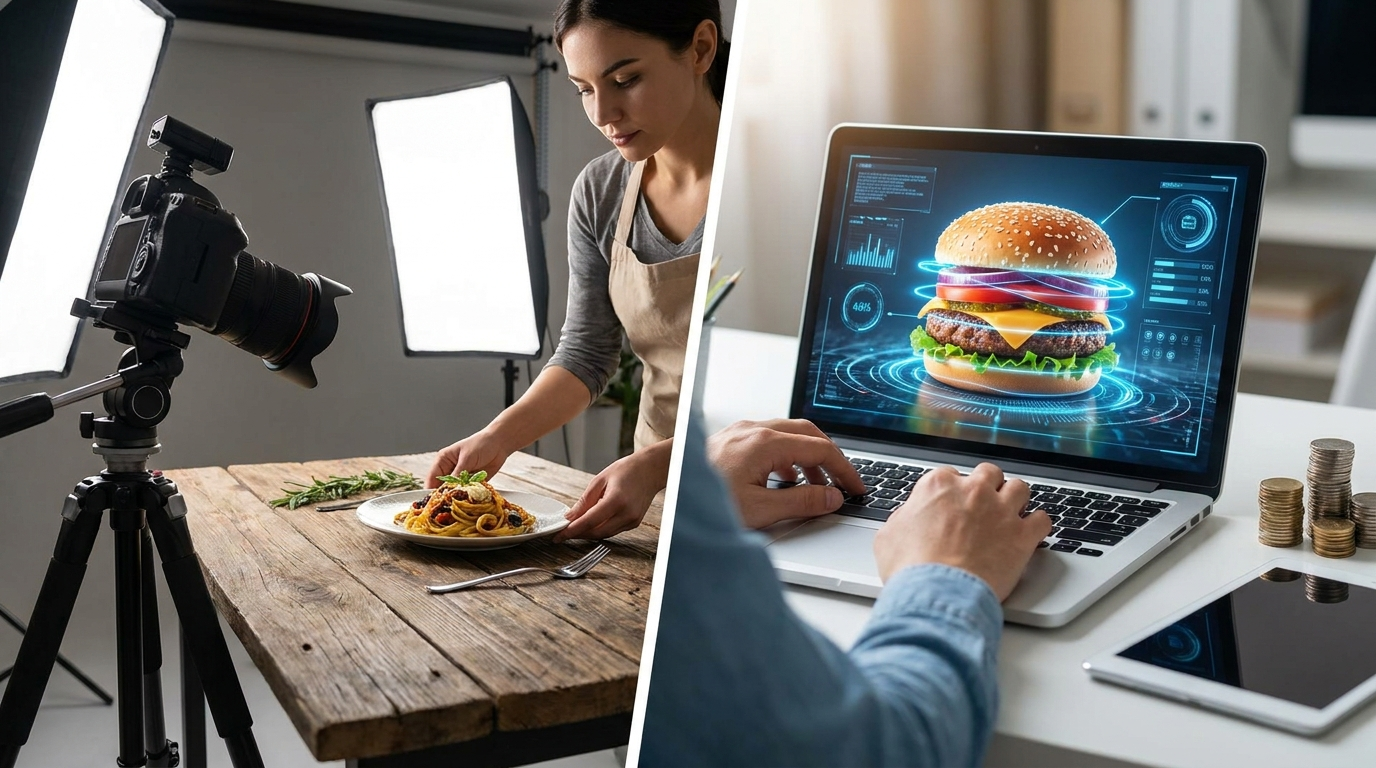
If you're spending more than $2,000 a year on food photography in 2026, you're almost certainly overspending. AI food photography is now production-grade for the bulk of restaurant imagery work — menu photos, social posts, delivery platform listings, ad creatives, in-house signage — at a cost that's roughly 1% of the equivalent professional shoot. Reserve professional photography for the cornerstone work where it still genuinely matters: signature-dish brand shots, chef portraits, atmospheric dining-room photography for PR and editorial pitches. That's it. The rest is AI.
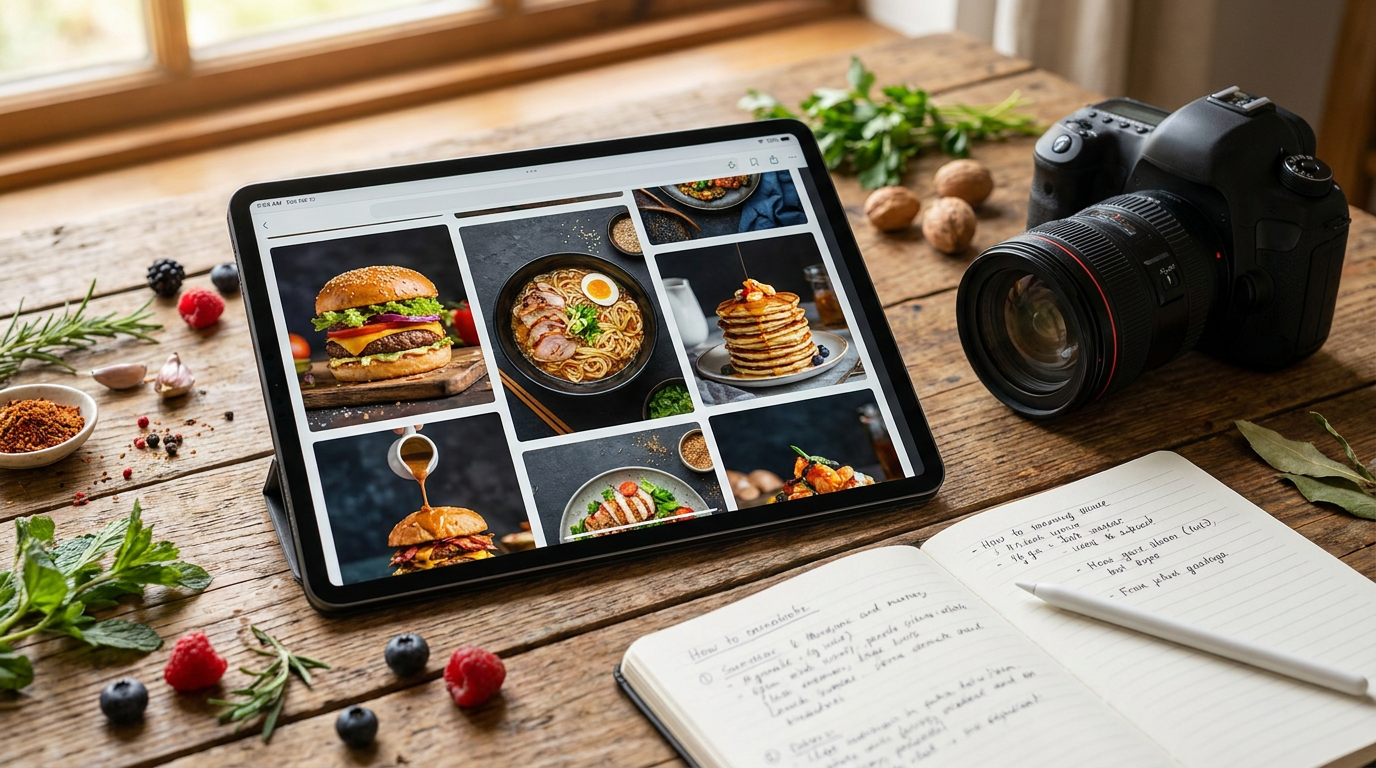
The difference between a great AI food photo and a plastic-looking AI food photo is rarely the model. It's almost always the prompt.