
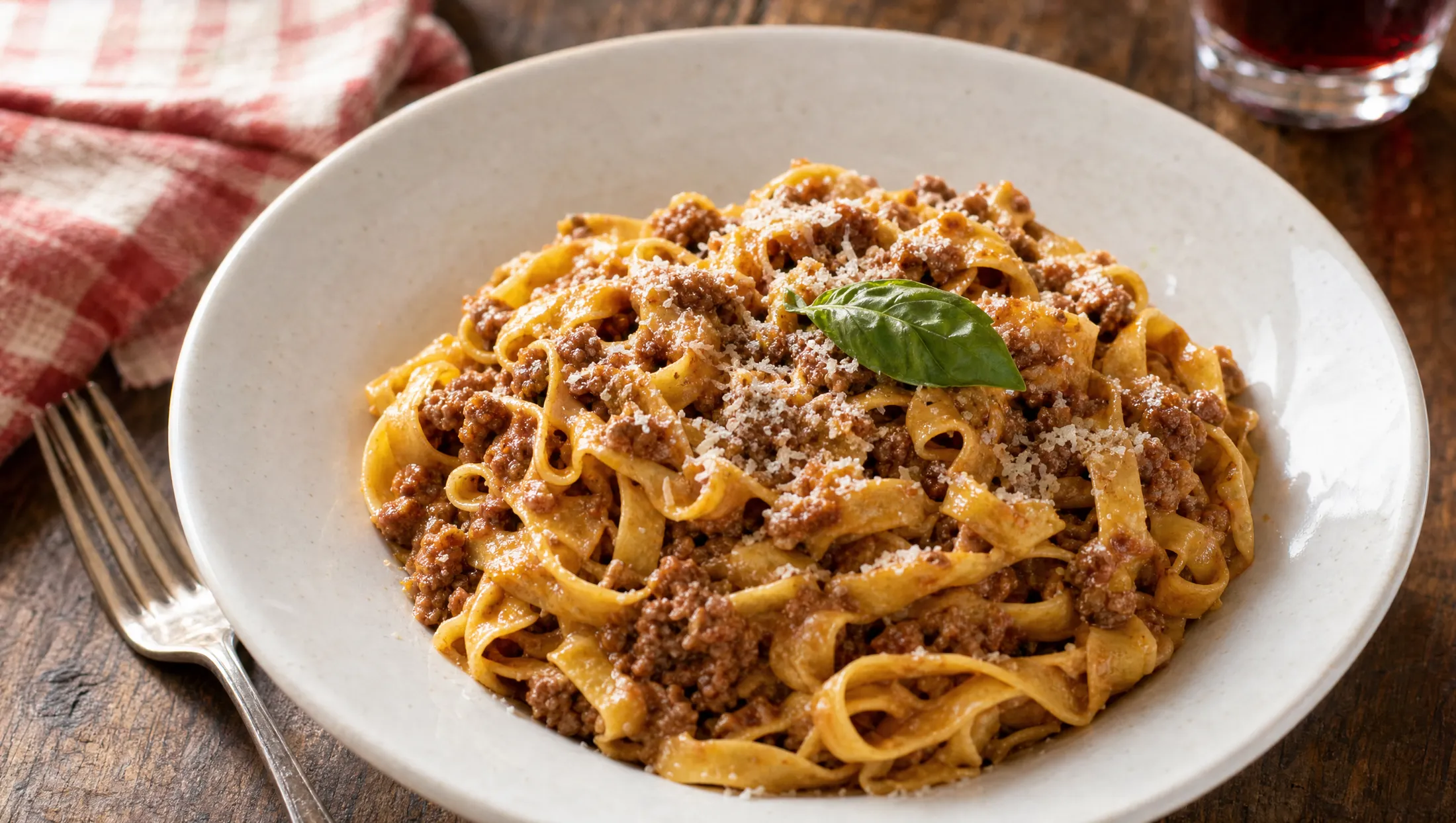
Spaghetti Bolognese Myth: What Italians Really Eat
Why "spaghetti bolognese" doesn't exist in Italy
Multilingual menus, AI food photography, hospitality, and food culture — by the team building Intermenu.
Why "spaghetti bolognese" doesn't exist in Italy
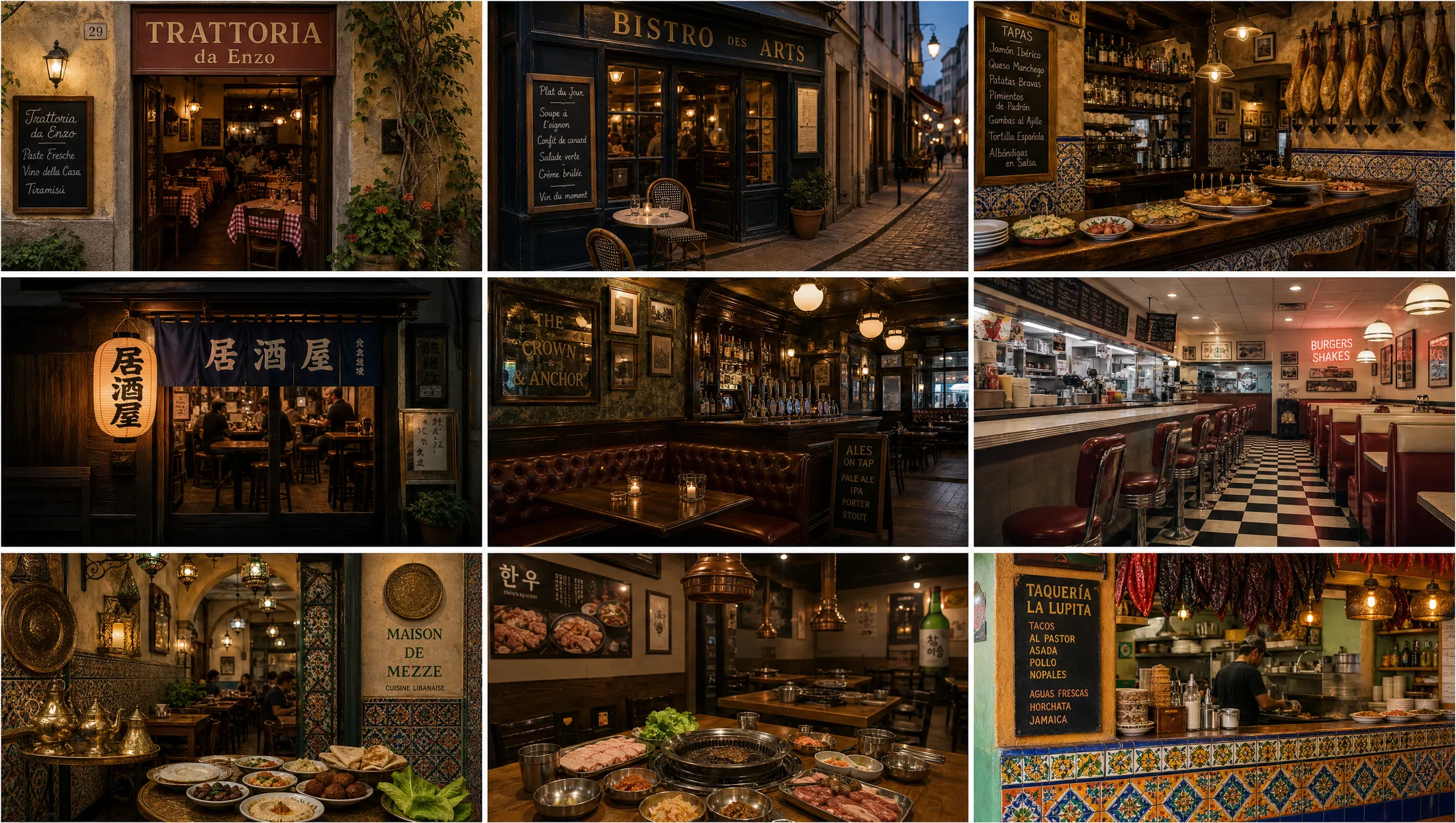
The cuisines are organized by region for ease of reference. Within each region, listings are roughly alphabetical.
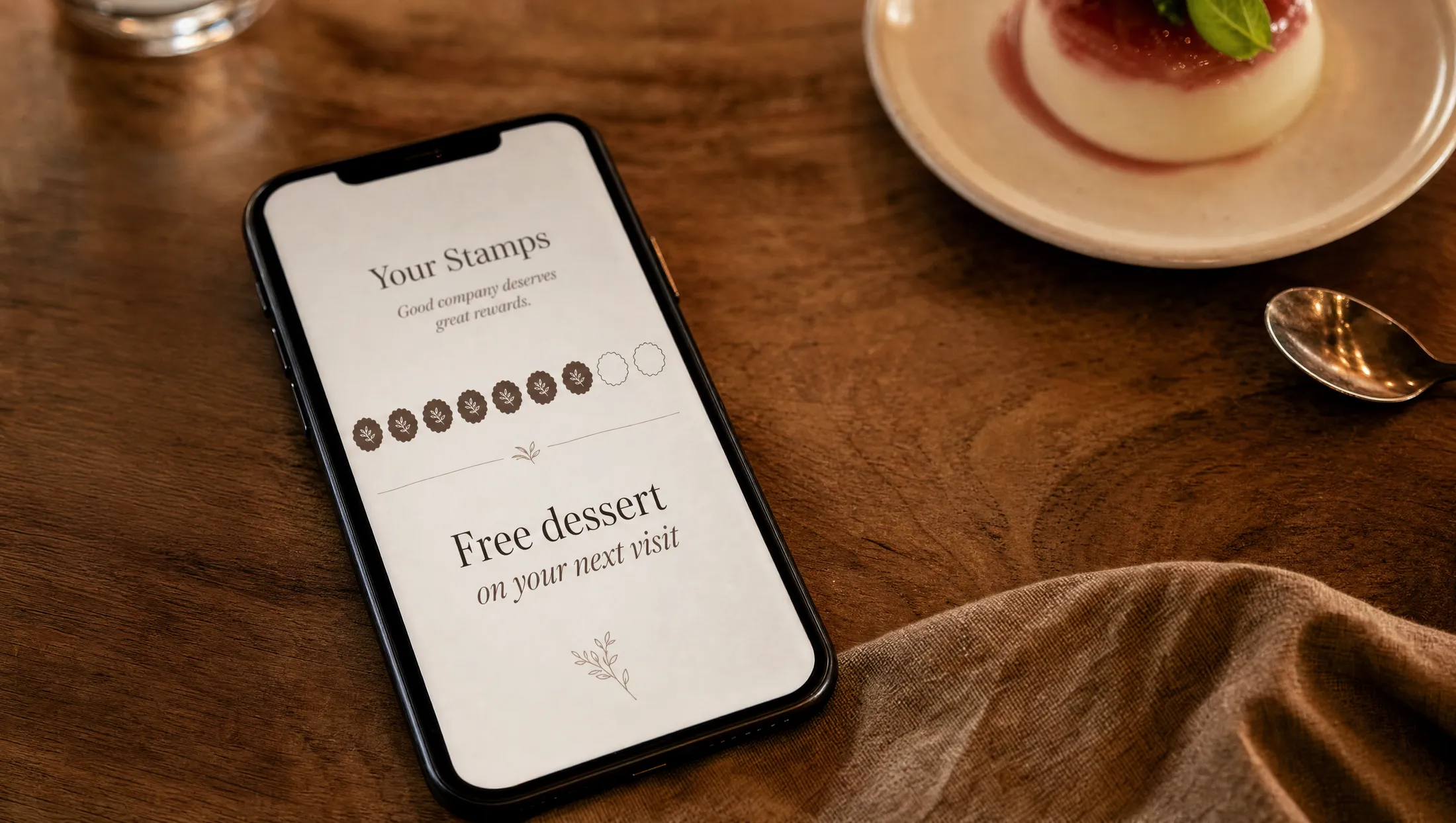
Are paper punch cards still effective in 2026? Yes — the format works. The 2026 upgrade is making the punch card digital so it doesn't get lost.
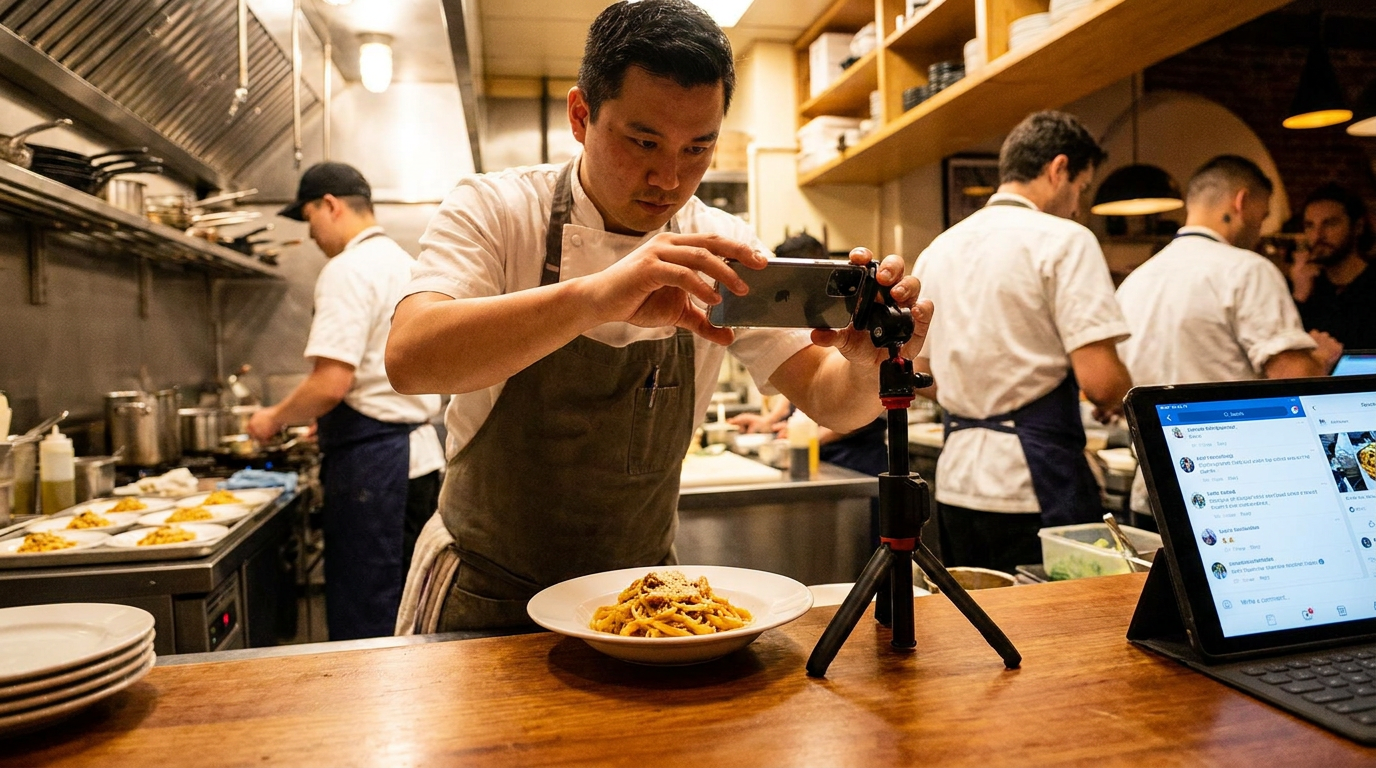
TikTok-driven restaurant bookings are real and measurable, particularly in tourist-area independent restaurants
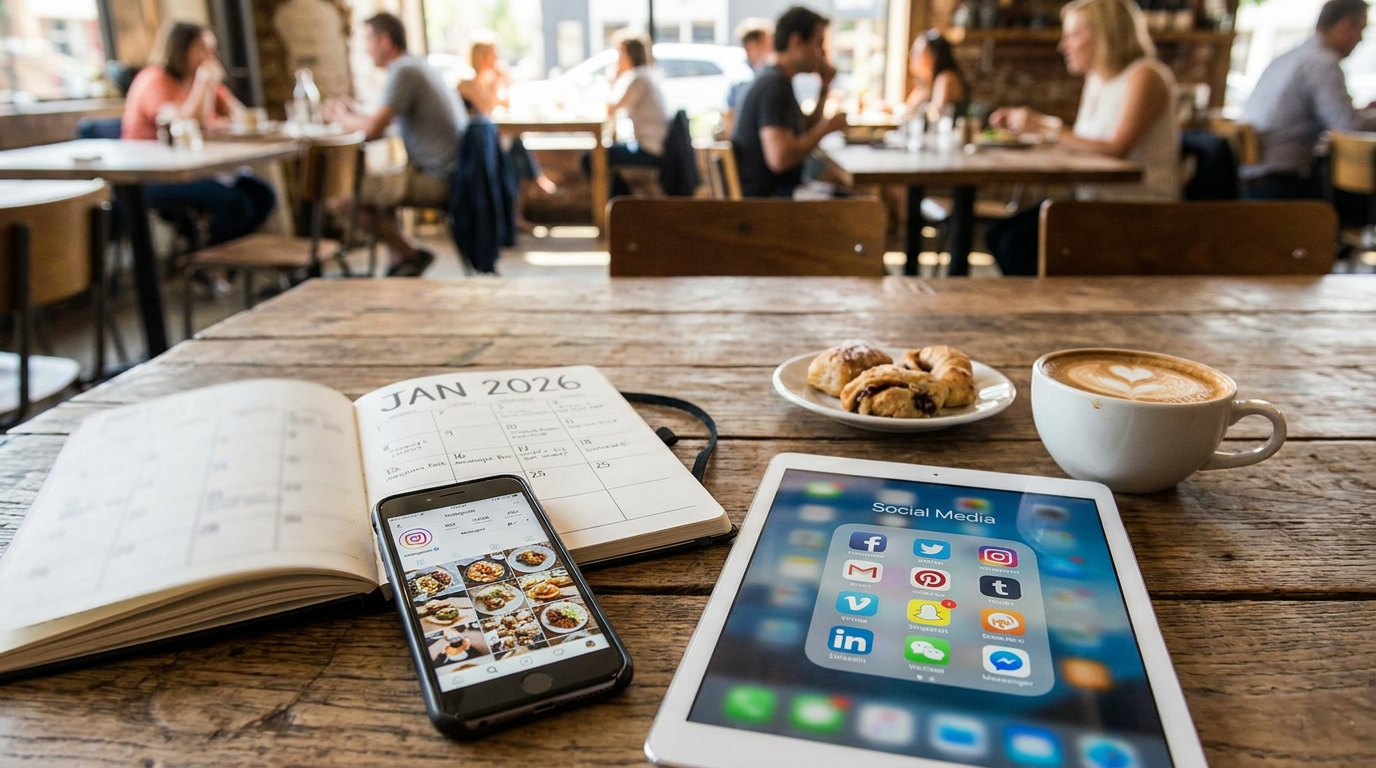
The 2026 algorithmic floor is 3 posts per week for a restaurant account to maintain organic visibility. Below that, the algorithm progressively reduces reach.
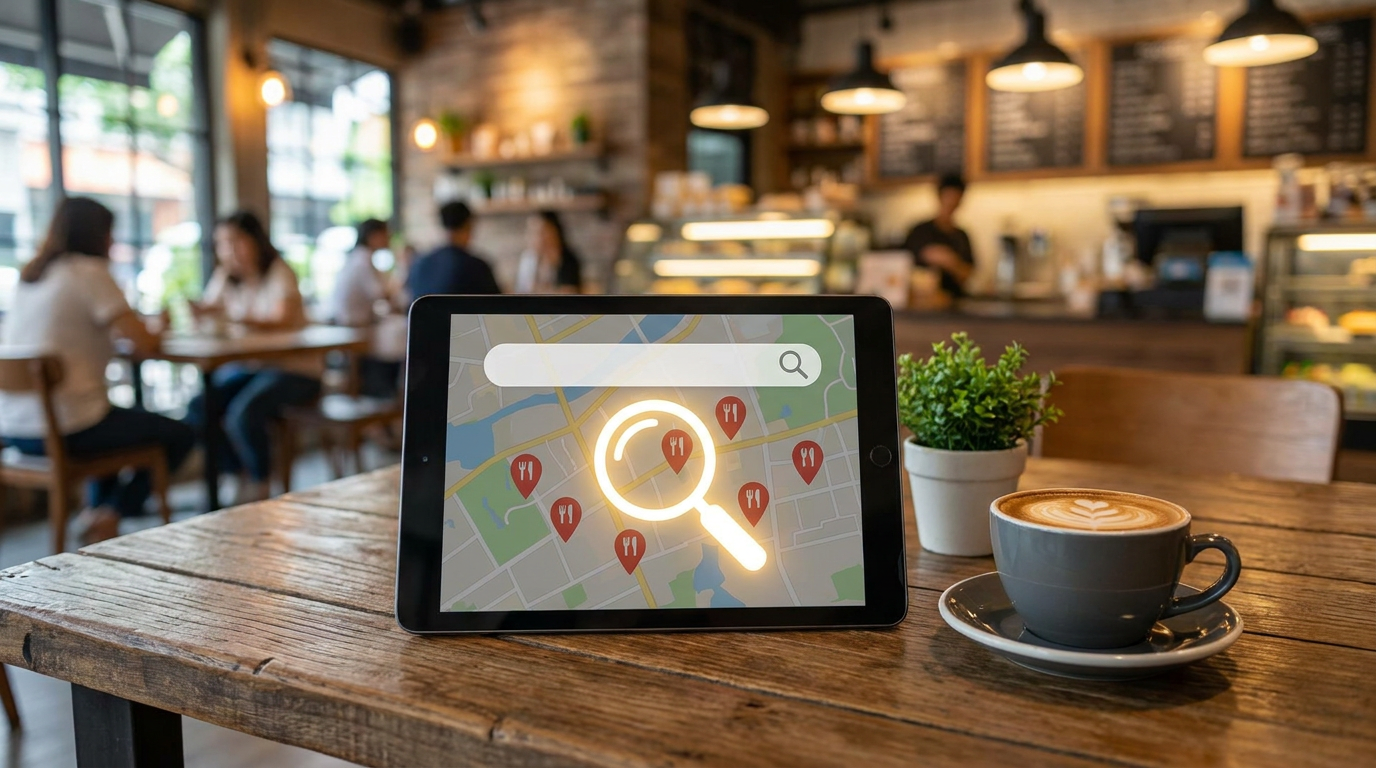
AI assistants don't browse the web in real time for every query (with the exception of Perplexity and some browsing-enabled modes). They draw from training data and from search-augmented retrieval that uses curated index sources.
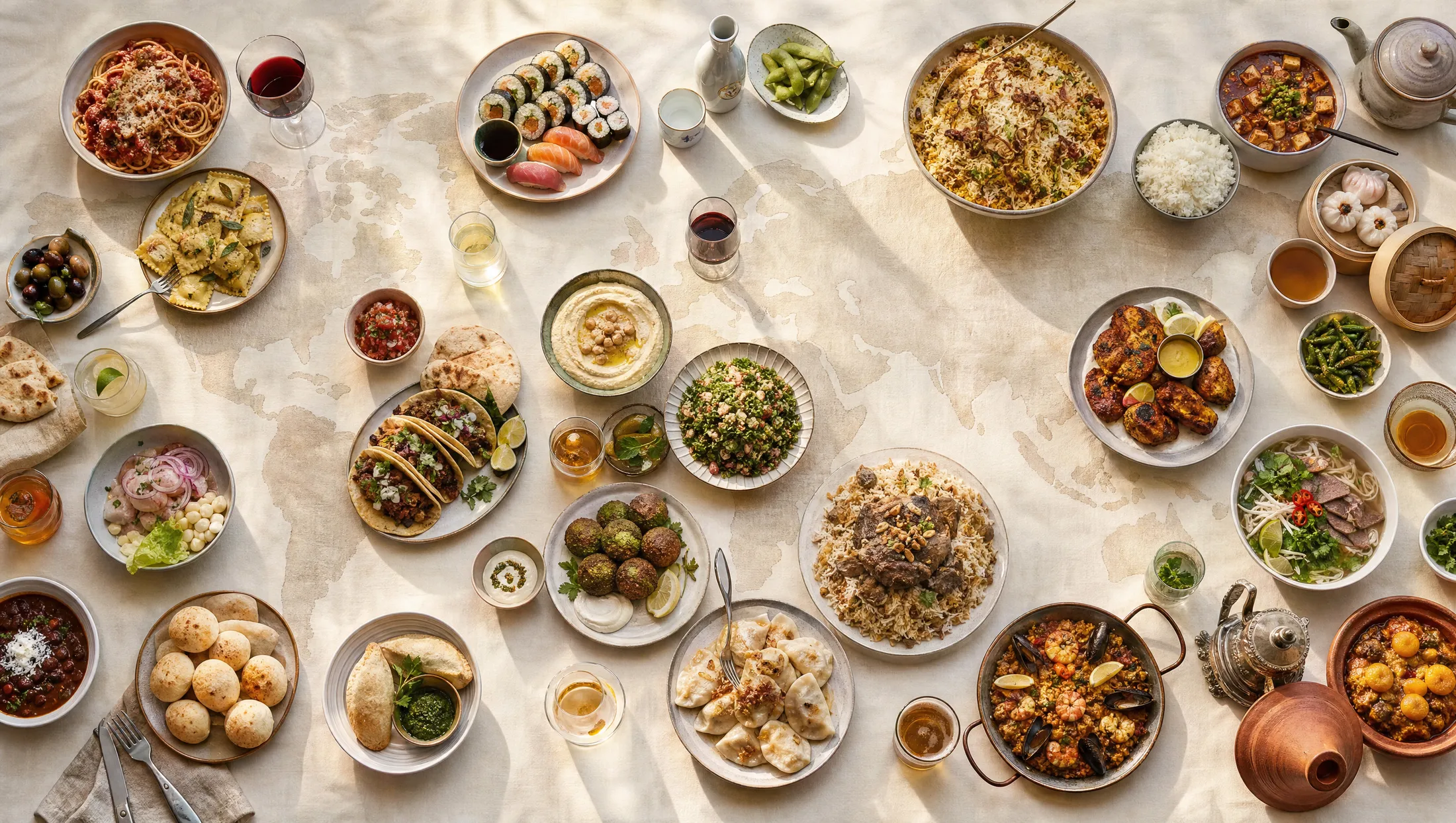
What does restaurant marketing look like in 2026? The 2026 restaurant marketing landscape has been reshaped by three converging trends.
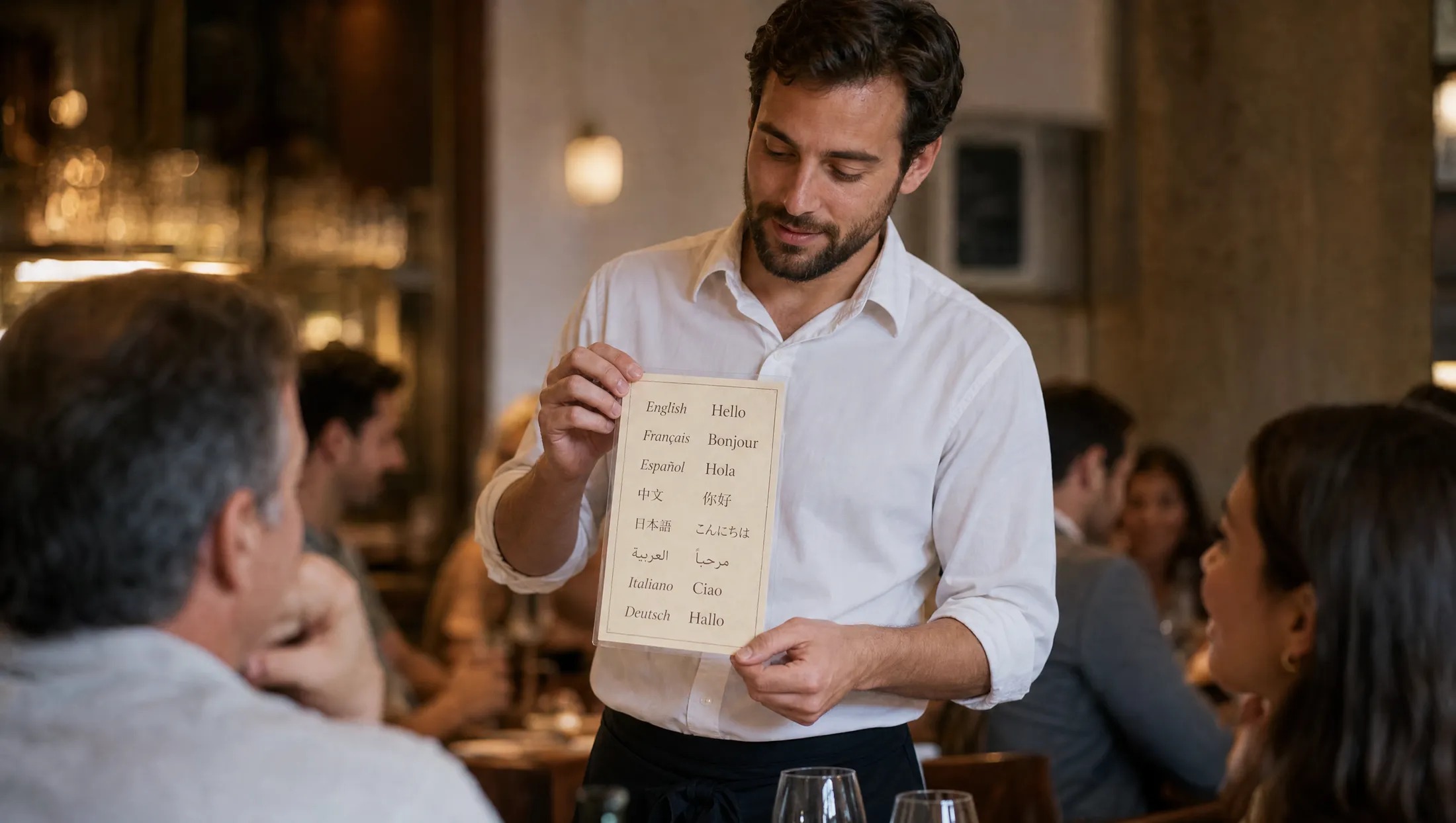
Why dining etiquette differences matter Dining etiquette is one of the most underrated friction points in international tourism. Tourists rarely realize they're committing cultural faux pas; restaurants rarely train staff to handle these moments gracefully. The result is uncomfortable interactions that neither side fully understands.
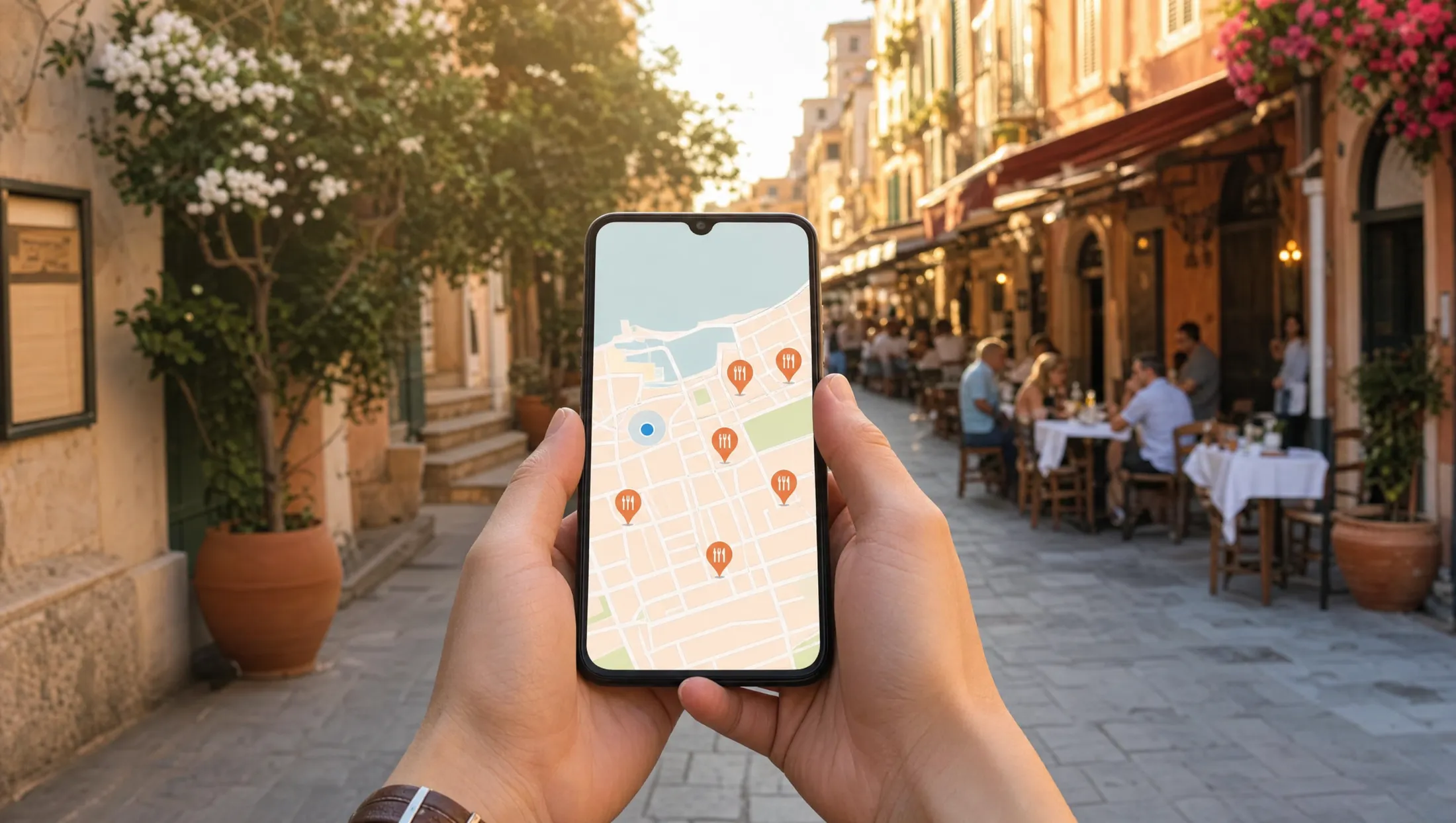
How does Google decide which restaurants to show tourists?
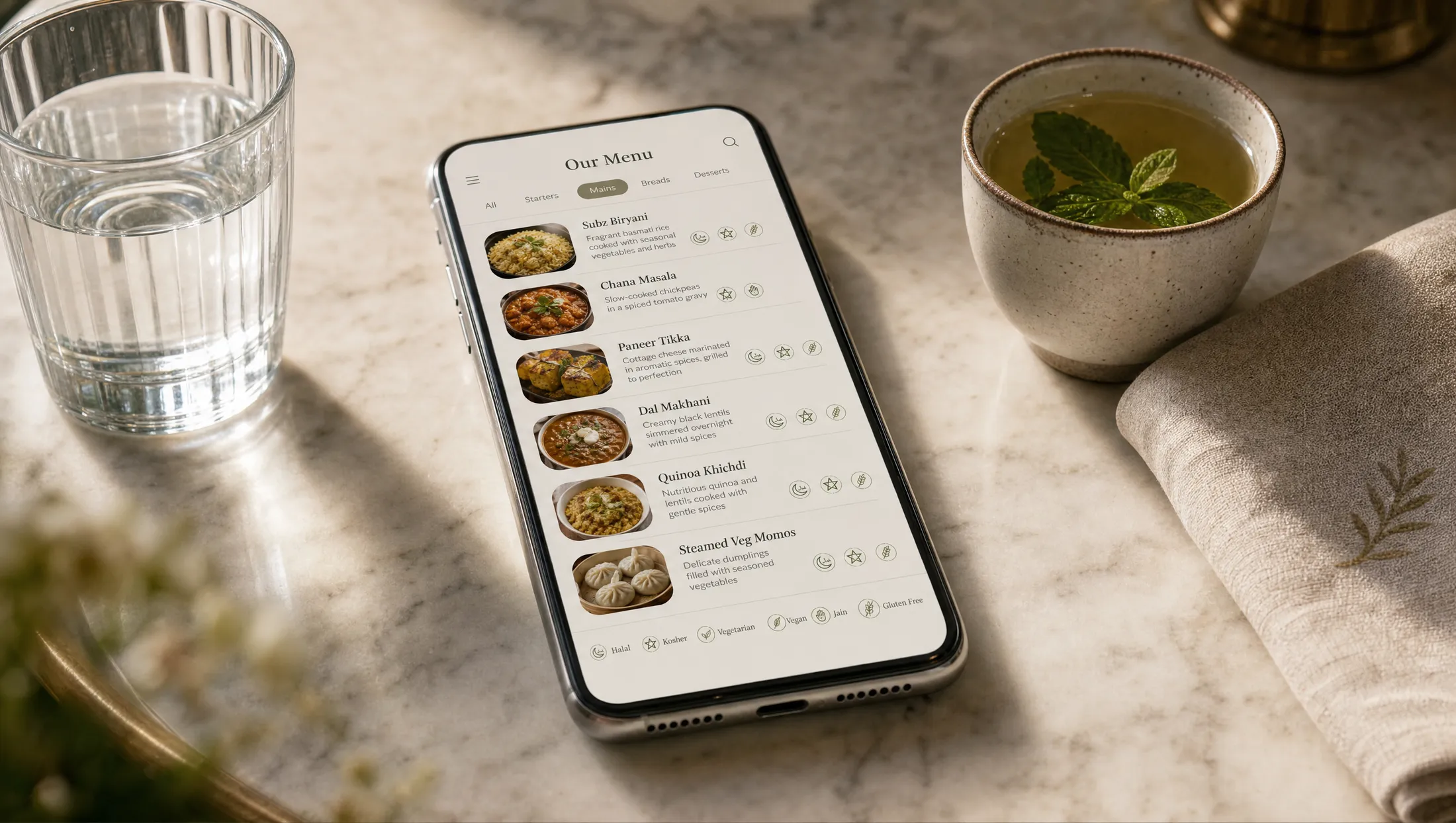
Halal observance varies in strictness, but most halal-observant guests look for these signals, in descending order of trust:
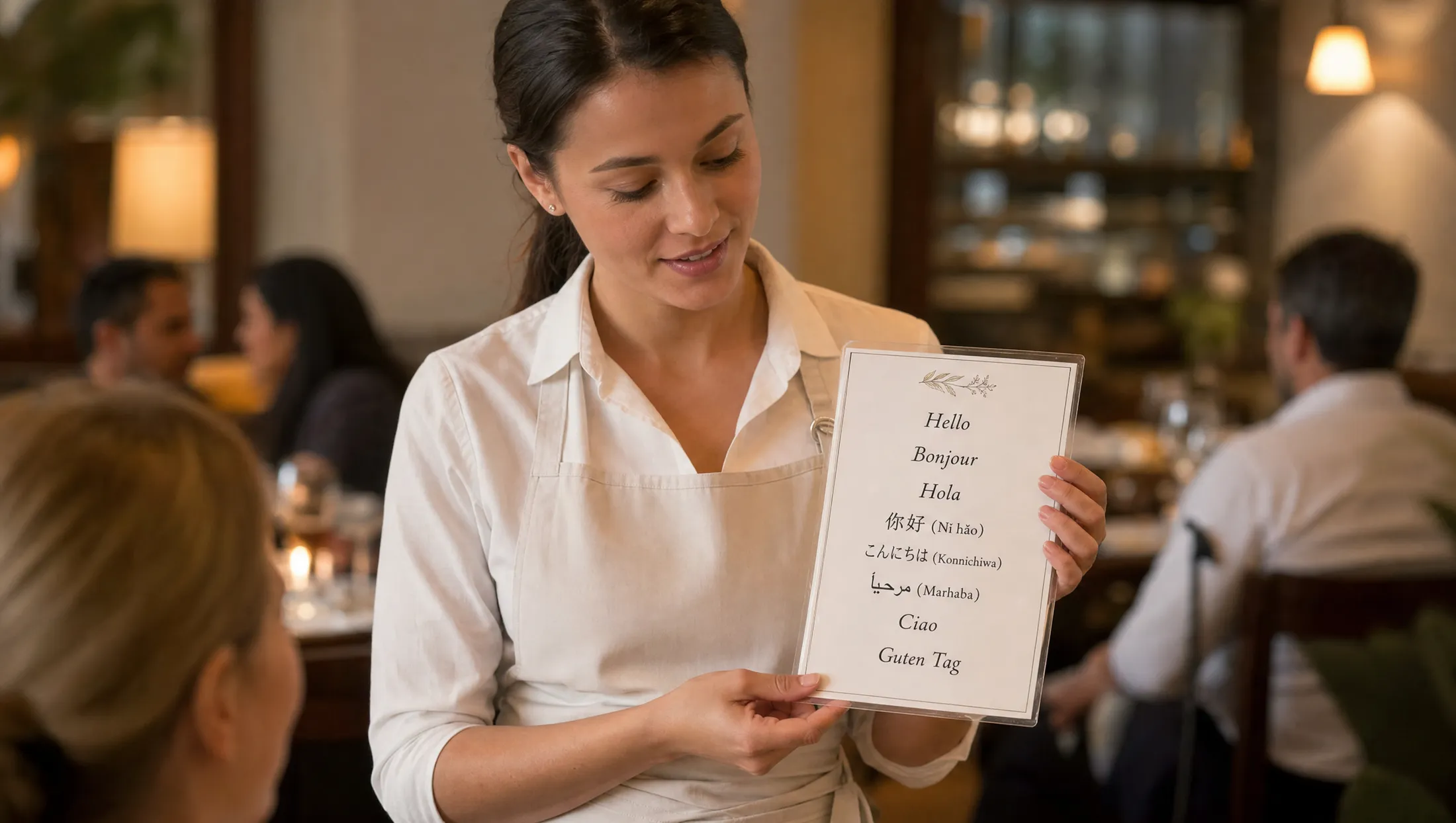
What 20 phrases should every server know in tourist languages?
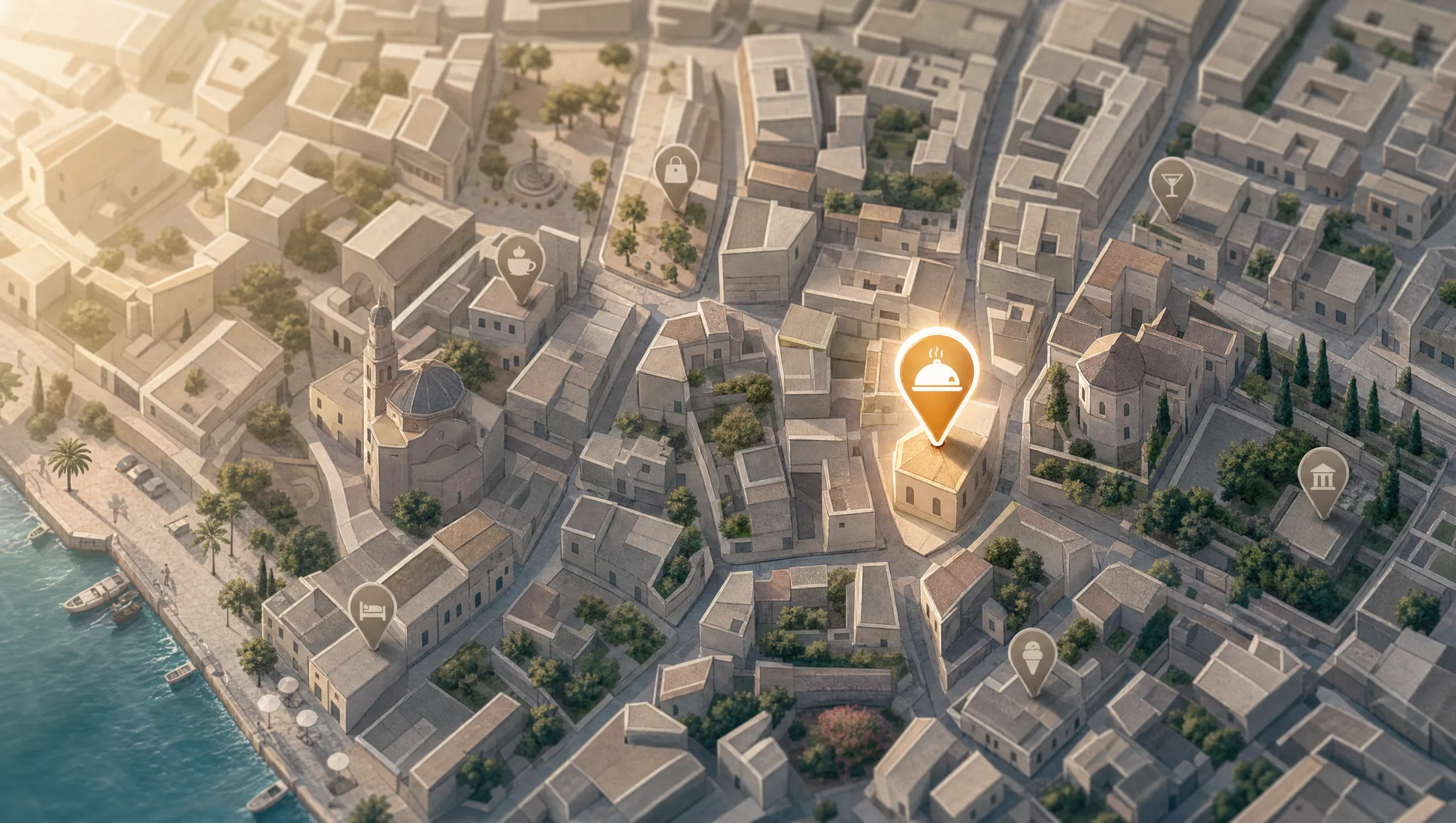
The 2026 timeline of tourist restaurant decisions